Skip to content
Find A Cadense Coach Location

How Diagnosing Foot Drop Early Can Improve Walking Safety

Posted by:

Johannes Sauer

Updated at: January 28, 2026

Table of Contents
  1. How Diagnosing Foot Drop Early Can Improve Walking Safety

  2. How Foot Drop Is Diagnosed

  3. What Early Diagnosis Helps Prevent

  4. How Physical Therapy Supports Early Intervention

  5. How Supportive Footwear Enhances Safety

  6. Tips for Monitoring Foot Drop Symptoms

  7. Don’t Ignore Foot Drop Symptoms

How Diagnosing Foot Drop Early Can Improve Walking Safety

Foot drop makes lifting the front of the foot difficult, increasing the risk of trips, slips, and falls. Early diagnosis is crucial because it allows for timely interventions that improve walking safety and maintain independence.

Recognizing foot drop symptoms early can help prevent accidents and reduce strain on other muscles compensating for weakness.

How Foot Drop Is Diagnosed

Diagnosing foot drop typically involves a combination of physical assessment, medical history, and sometimes imaging or nerve studies. Key steps include:

  • Medical evaluation: A clinician reviews your symptoms, injury history, and any underlying conditions.

  • Physical examination: Tests may assess muscle strength, ankle control, and gait patterns.

  • Neurological testing: Nerve function can be checked to identify peroneal nerve damage or other causes.

  • Imaging or EMG studies: In some cases, imaging or electromyography is used to pinpoint nerve or muscle issues.

A thorough evaluation ensures the right treatment plan and supportive strategies are chosen.

What Early Diagnosis Helps Prevent

Identifying foot drop early allows for interventions that minimize mobility risks:

  • Trips, slips, and falls: Timely support reduces the likelihood of accidents.

  • Compensatory movement strain: Prevents overuse of other muscles that may lead to fatigue or pain.

  • Delayed recovery: Early therapy can improve muscle strength and walking mechanics.

Prompt attention helps maintain confidence and safety during daily activities.

How Diagnosing Foot Drop Early Can Improve Walking Safety - Cadense Adaptive Shoes for Mobility challenges like foot drop

Jan 28, 2026

How Physical Therapy Supports Early Intervention

Physical therapy can make a significant difference when foot drop is diagnosed early. A therapist may:

  • Provide strengthening exercises for ankle and leg muscles

  • Offer gait training to improve foot clearance and reduce trips

  • Recommend assistive devices like ankle-foot orthoses (AFOs)

  • Teach strategies for safer movement on stairs, ramps, and uneven surfaces

Therapy works best when started before mobility issues become severe.

How Supportive Footwear Enhances Safety

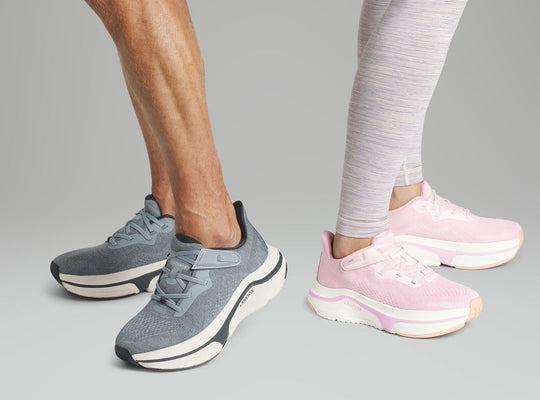
The right shoes complement therapy and braces by promoting stability and comfort. Cadense adaptive shoes can help:

  • Reduce trips, slips, and falls with a secure, supportive fit

  • Provide wide toe boxes to accommodate braces or swelling

  • Encourage natural movement with lightweight, flexible soles

  • Offer an easy on/off design for daily convenience

Supportive footwear ensures that daily walking remains safe while recovery progresses.

Tips for Monitoring Foot Drop Symptoms

  • Watch for foot-dragging or difficulty lifting the toes

  • Notice changes in gait or balance

  • Track fatigue or discomfort in your leg and ankle

  • Seek professional guidance promptly if symptoms appear

Early action is the most effective way to prevent accidents and maintain mobility.

Don’t Ignore Foot Drop Symptoms

Diagnosing foot drop early is key to safer walking and maintaining independence. With professional guidance, targeted therapy, and supportive footwear, you can reduce risks and stay active with confidence.

Explore Cadense adaptive shoes to support safer daily movement at cadense.com.

Best Shoes for Foot Drop


Color:

Only 8 in stock


Color:

11 in stock


Color:

16 in stock

Posted by: Johannes Sauer

Johannes is the CEO and Co-Founder of Cadense and passionate about helping people with walking difficulties. He was immediately drawn to the mission of the company because his cousin lost his lower leg in a tragic motorcycle accident a few years ago and is experiencing walking difficulties ever since. Johannes brings over a decade of experience in working for consumer product companies to Cadense. He holds an MBA from the University of Graz in Austria. Johannes lives with his family in Santa Barbara, CA.

Read more
Older Post
Newer Post

Leave a comment

Please note, comments must be approved before they are published

Shopping Cart