Living with foot drop can make everyday walking feel uncertain. You may find yourself catching your toes, feeling unsteady on uneven surfaces, or worrying about losing balance when you least expect it. These challenges aren’t just frustrating — they can slowly chip away at confidence and independence. Footwear plays a much bigger role here than many people realize, especially when shoes are designed to support real mobility needs.
Foot drop affects the ability to lift the front of the foot during walking. Instead of clearing the ground smoothly, the toes may drag or land unevenly. Over time, this change in movement can disrupt balance and make everyday obstacles harder to manage.
Common walking challenges associated with foot drop include:
- Toe drag that catches on rugs, curbs, or uneven flooring
- Shortened or uneven steps that reduce stability
- Compensation patterns like high-stepping or swinging the leg outward
- Fatigue from working harder just to move safely
These changes don’t happen in isolation. They affect how the entire body moves, increasing the chances of trips, slips, and falls during daily activities.
Even with physical therapy or bracing, footwear is the foundation of walking. Shoes that don’t provide enough support, flexibility, or room can make foot drop symptoms harder to manage.
Unsupportive shoes may:
- Limit natural movement and make toe clearance harder
- Feel unstable when paired with braces or orthotics
- Create pressure points that discourage proper foot placement
- Increase fatigue by forcing the body to overcompensate
The best shoes for foot drop are designed to work with the body, not against it, helping people move with greater control and confidence.
Not all shoes are built with mobility challenges in mind. When foot drop is part of daily life, certain features become especially important for safer walking.
Key features to look for include:
- Wide toe box for comfort and stability
Extra space allows the foot to sit naturally, reducing pressure and improving balance during each step.
- Lightweight, flexible soles for natural movement
Flexibility helps support smoother transitions from heel to toe without forcing rigid movement.
- Supportive structure without stiffness
A secure fit keeps the foot steady while still allowing freedom of movement.
- Easy on/off design for daily independence
Shoes that are easy to put on and take off reduce strain and make daily routines more manageable.
- Compatibility with AFOs or braces
The best shoes for foot drop accommodate assistive devices without feeling tight or unstable.
These features work together to support steadier steps and reduce the likelihood of accidents during everyday walking.
Balance isn’t just about strength; it’s about how the foot connects with the ground. Adaptive footwear is designed to improve that connection by supporting alignment and natural movement.
Supportive shoes can help by:
- Encouraging better foot placement with each step
- Reducing uneven pressure that throws off balance
- Supporting smoother transitions between steps
- Helping the foot stay secure without sliding inside the shoe
When shoes are designed for mobility challenges, they help create a more predictable walking pattern — something people with foot drop often struggle to maintain.
Many traditional shoes squeeze the front of the foot, limiting natural toe movement. For someone with foot drop, this can make balance even harder to maintain.
A wide toe box helps by:
- Allowing toes to spread naturally for stability
- Reducing nerve compression and discomfort
- Supporting better weight distribution during walking
- Making room for orthotics or braces if needed
This added space can make a noticeable difference in how secure each step feels.
Rigid soles can interfere with natural walking mechanics, especially for people who already struggle with foot clearance. Flexible soles allow the foot to move more naturally through each phase of walking.
Benefits of flexible soles include:
- Smoother roll-through from heel to toe
- Better ground contact for balance feedback
- Less resistance when lifting the foot forward
- Reduced fatigue over longer periods of walking
Lightweight, flexible soles help support safer movement without forcing the body to compensate.
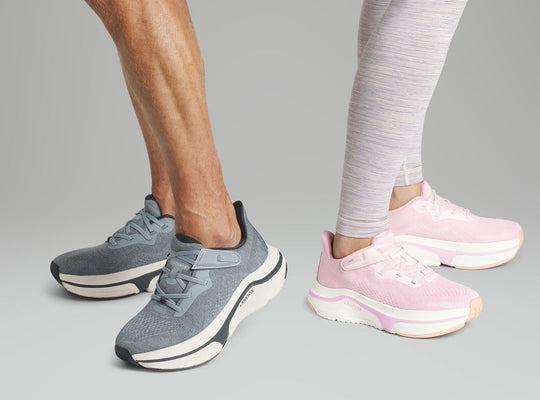
Cadense shoes are designed for mobility challenges, not just style. Every detail is engineered to support safer, more confident movement.
Cadense adaptive shoes feature:
- A wide toe box for comfort and stability
- Lightweight, flexible soles for natural movement
- Patented Variable Friction Technology to support controlled steps
- A supportive fit that works with braces and AFOs
- Easy on/off design for daily independence
Rather than offering surface-level fixes, Cadense focuses on real-world walking challenges faced by people with foot drop and other mobility conditions.
Foot drop often requires a combination of approaches, including physical therapy, bracing, and supportive footwear. Shoes aren’t a cure, but they are a critical part of daily mobility.
The right footwear can:
- Work alongside AFOs and therapy exercises
- Help reduce fatigue during walking
- Support steadier steps throughout the day
- Improve confidence during everyday activities
When shoes are designed for real mobility needs, they become an essential tool — not an afterthought.
Living with foot drop often means planning every step. Over time, that mental load can be exhausting. Supportive footwear helps reduce uncertainty, making movement feel more manageable.
With the right shoes, many people experience:
- Greater confidence moving through daily routines
- Less fear around uneven surfaces or longer walks
- Improved comfort during extended wear
- A stronger sense of independence
That confidence matters just as much as physical support.
The best shoes for foot drop are designed to support balance, reduce trips and slips, and work with your body — not against it. Cadense shoes are built for real mobility challenges, offering adaptive features that support safer, more confident movement every day.
Explore Cadense adaptive shoes designed for foot drop and mobility challenges at cadense.com.



![[color: black] Original Men's Adaptive Shoe](http://cadense.com/cdn/shop/files/Carousel_1.1_8d540b1a-8d50-4d65-a154-073d92a92343.jpg?crop=center&height=300&v=1782831569&width=300)
![[color: white] Original Women's Adaptive Shoe](http://cadense.com/cdn/shop/files/Carousel_1.1.jpg?crop=center&height=300&v=1782793357&width=300)


