Skip to content
Find A Cadense Coach Location

Signs You May Need a Foot Drop Brace for Better Mobility

Posted by:

Johannes Sauer

Updated at: June 01, 2026

Table of Contents
  1. Signs You May Need a Foot Drop Brace for Better Mobility

  2. What Is Foot Drop?

  3. Common Signs You May Need a Foot Drop Brace

  4. How a Foot Drop Brace Improves Mobility

  5. The Importance of Proper Footwear

  6. When to Seek Professional Guidance

  7. Living Confidently With Foot Drop

  8. Final Thoughts

Signs You May Need a Foot Drop Brace for Better Mobility

Walking is something most people do without thinking. But for individuals experiencing foot drop, every step can become difficult and even risky. Foot drop occurs when the muscles that lift the front part of the foot become weak or paralyzed. As a result, the toes may drag along the ground while walking, making it harder to move safely and comfortably.

One of the most effective tools for managing this condition is a foot drop brace. These braces support the foot and ankle, helping keep the toes lifted during walking. By improving foot positioning and stability, they can reduce the risk of tripping and make everyday movement easier.

But how do you know when it’s time to consider using one? Understanding the warning signs can help you take action before mobility becomes more limited.

What Is Foot Drop?

Foot drop is not a condition on its own but rather a symptom of an underlying neurological or muscular issue. It happens when the muscles responsible for lifting the front of the foot—known as dorsiflexion—stop functioning properly.

This can occur due to several causes, including nerve injuries, neurological disorders, stroke, multiple sclerosis, muscular dystrophy, or complications following surgery or trauma. Regardless of the cause, the result is the same: difficulty lifting the foot during walking.

Without proper support, people with foot drop may develop altered walking patterns that increase fatigue and the risk of falls.

Common Signs You May Need a Foot Drop Brace

Recognizing the symptoms early can help prevent mobility issues from worsening. If you experience any of the following signs, a foot drop brace may be helpful.

1. Your Toes Drag When You Walk

One of the most recognizable signs of foot drop is dragging toes. Because the muscles cannot lift the foot properly, the front of the foot may scrape the ground during each step.

This not only slows walking but also increases the chance of stumbling or tripping. A brace helps hold the foot in a lifted position so it can clear the ground more easily.

2. You Lift Your Knee Higher Than Normal

Many people with foot drop develop a walking pattern known as a steppage gait. This means lifting the knee higher than usual in order to keep the toes from dragging.

While this adjustment may help temporarily, it requires extra energy and can place strain on the hips and lower back over time. A foot drop brace can restore a more natural walking motion and reduce the need for compensatory movements.

3. You Trip or Stumble Frequently

Frequent tripping is often an early warning sign that foot control is compromised. If your toes catch on small obstacles, rugs, or uneven surfaces, it may indicate that the muscles responsible for lifting the foot are weakening.

Using a brace can help keep the toes elevated during walking, reducing the risk of unexpected trips and falls.

4. Walking Long Distances Feels Exhausting

When the body compensates for foot drop, other muscles have to work harder to maintain movement and balance. Over time, this can cause fatigue, especially when walking longer distances.

People often report tired legs, hip discomfort, or general exhaustion after activities that once felt easy. A foot drop brace helps redistribute support so walking becomes more efficient and less physically demanding.

5. Your Foot Slaps the Ground

Another common sign is a noticeable foot slap when the heel touches the ground. Instead of lowering smoothly, the foot drops quickly due to weak muscles controlling movement.

This sound can often be heard when walking on hard surfaces. A brace provides controlled support, helping the foot move through each step more smoothly.

6. You Feel Less Stable While Walking

Foot drop can affect overall balance and stability. Without proper foot positioning, the body may struggle to maintain alignment, especially on uneven surfaces or when turning.

This instability can make individuals feel hesitant or anxious about walking outdoors or in crowded areas. A brace helps improve foot alignment, making each step more predictable and stable.

How a Foot Drop Brace Improves Mobility

A foot drop brace, often called an ankle-foot orthosis (AFO)—is designed to support the ankle and keep the foot in a functional position while walking.

These braces work by:

  • Holding the foot at a slightly upward angle

  • Preventing the toes from dragging

  • Supporting ankle stability

  • Encouraging a more natural gait pattern

With the right brace, many individuals experience immediate improvements in walking efficiency and confidence.

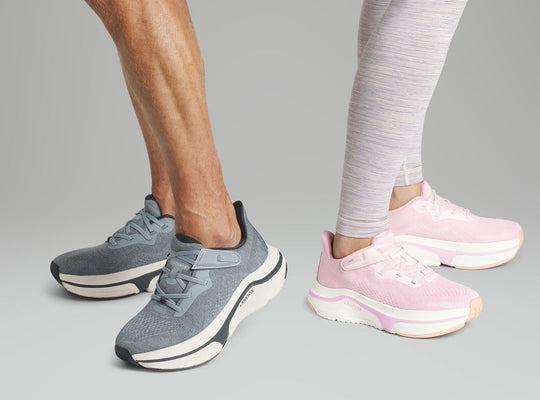
foot drop brace | Cadense Adaptive shoes for foot drop

Jun 1, 2026

The Importance of Proper Footwear

While a brace provides essential support, the right shoes play an equally important role. Supportive footwear helps stabilize the brace and ensures the foot remains properly aligned.

Shoes designed for brace use often provide:

  • Extra depth for orthotic devices

  • Wide openings for easier entry

  • Stable soles for better traction

  • Secure closures to keep the foot in place

Combining a foot drop brace with properly fitted footwear can significantly improve comfort and mobility.

When to Seek Professional Guidance

If you notice signs of foot drop, it’s important to speak with a healthcare professional. A physical therapist, neurologist, or orthopedic specialist can evaluate the underlying cause and recommend the best treatment plan.

In many cases, treatment may include:

  • Physical therapy exercises

  • Nerve or muscle rehabilitation

  • Assistive devices like braces

  • Supportive footwear

Early intervention can prevent symptoms from worsening and help maintain independence.

Living Confidently With Foot Drop

Although foot drop can make walking more challenging, the right tools and support can make a major difference. Many people continue to live active, independent lives by combining therapy, braces, and supportive footwear.

A foot drop brace provides the stability needed to move safely, while proper shoes help maintain comfort and alignment. Together, they allow individuals to walk with greater confidence and reduced fear of falling.

Final Thoughts

Recognizing the signs of foot drop early is key to maintaining mobility and preventing injuries. Symptoms like dragging toes, frequent tripping, foot slapping, or excessive fatigue during walking may indicate that extra support is needed.

A foot drop brace can help lift the foot, improve walking patterns, and reduce the risk of falls. With the right brace and supportive footwear, individuals experiencing foot drop can move more comfortably and regain confidence in their daily activities.

Explore Cadense footwear at cadense.com to find shoes designed to work with braces and support safer, more stable walking every day.

Explore More From Cadense


Color:

Only 7 in stock


Color:

14 in stock

Posted by: Johannes Sauer

Johannes is the CEO and Co-Founder of Cadense and passionate about helping people with walking difficulties. He was immediately drawn to the mission of the company because his cousin lost his lower leg in a tragic motorcycle accident a few years ago and is experiencing walking difficulties ever since. Johannes brings over a decade of experience in working for consumer product companies to Cadense. He holds an MBA from the University of Graz in Austria. Johannes lives with his family in Santa Barbara, CA.

Read more
Older Post
Newer Post

Leave a comment

Please note, comments must be approved before they are published