Skip to content
Find A Cadense Coach Location

When Should Seniors Start Wearing Adaptive Shoes?

Posted by:

Johannes Sauer

Updated at: August 07, 2026

Table of Contents
  1. When Should Seniors Start Wearing Adaptive Shoes?

  2. TL;DR

  3. What Are Adaptive Shoes for Seniors?

  4. Why Seniors Often Wait Too Long to Switch Shoes

  5. Signs It May Be Time for Adaptive Shoes

  6. How Adaptive Shoes Help Prevent Falls

  7. What to Look for in Adaptive Shoes for Seniors

  8. Why Early Prevention Matters

  9. Help Your Parents Walk More Safely Every Day

When Should Seniors Start Wearing Adaptive Shoes?

As parents get older, small changes in movement often happen gradually. They may start walking more carefully, avoid certain activities, or struggle with tasks that once felt simple, including putting on shoes.

These changes are easy to dismiss at first, but they can signal that regular footwear is no longer providing the support, comfort, or ease of use they need.

That is where adaptive shoes for seniors can make a major difference. The right pair can improve stability, reduce frustration, and help seniors stay active and independent longer.

TL;DR

  • Adaptive shoes help seniors walk more safely and comfortably
  • Early signs include balance issues, foot pain, swelling, or difficulty putting on shoes
  • Features like Velcro closures and slip-resistant soles improve safety and ease of use
  • Switching earlier can help reduce fall risk and support independence
  • The right footwear helps seniors stay active with more confidence

What Are Adaptive Shoes for Seniors?

Adaptive shoes are designed to make footwear easier to wear and safer to walk in for people with mobility limitations, balance concerns, or foot conditions.

Unlike traditional shoes, adaptive footwear often includes:

  • wider openings for easier entry
  • adjustable closures like Velcro straps
  • extra depth for orthotics or swelling
  • lightweight materials
  • supportive and slip-resistant soles

These features are designed to reduce strain while improving comfort and stability.

Why Seniors Often Wait Too Long to Switch Shoes

Many seniors continue wearing the same type of footwear they have always used, even after their needs change.

This happens because mobility changes often occur slowly. A parent may not immediately realize that their shoes are making walking harder or less safe.

Instead, they may adapt by:

  • walking more slowly
  • avoiding longer walks
  • wearing loose slippers at home
  • leaving shoes untied
  • limiting activity due to discomfort

Over time, these habits can increase instability and fall risk.

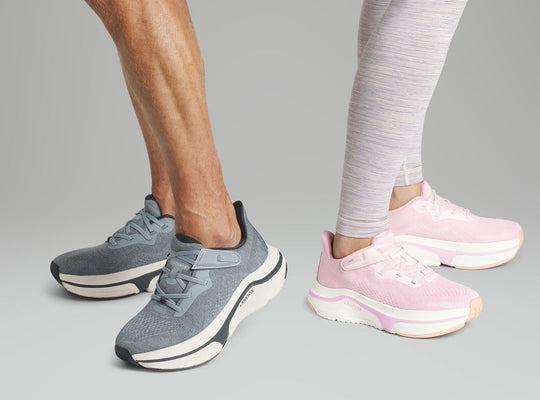
adaptive shoes for seniors​ | Cadense adaptive shoes for seniors​

Aug 7, 2026

Signs It May Be Time for Adaptive Shoes

The best time to consider adaptive shoes is before mobility problems become severe. Early support can help maintain confidence and independence much longer.

Here are some of the most common signs to watch for.

Difficulty Putting On or Taking Off Shoes

One of the clearest signs is struggling with the process of putting on shoes.

Your parents may have trouble with:

  • bending down comfortably
  • tying laces
  • sliding feet into narrow openings
  • fastening traditional closures

Adaptive shoes with wide openings and adjustable straps make this process much easier and safer.

Increased Balance Issues

If walking appears less steady than before, footwear may be contributing to the problem.

You may notice:

  • slower or hesitant walking
  • shuffling steps
  • reliance on furniture for support
  • fear of slipping or falling

Adaptive shoes often provide more traction and structure, helping seniors feel more stable with each step.

Swelling or Sensitive Feet

Many seniors experience swelling, foot pain, or pressure sensitivity due to conditions such as arthritis or diabetes.

Traditional shoes may start feeling tight or uncomfortable.

Adaptive shoes can help by offering:

  • adjustable fit
  • softer interior materials
  • wider toe boxes
  • extra depth for comfort

This allows the foot to move more naturally without excess pressure.

Reduced Activity Levels

Sometimes the biggest clue is behavioral.

If your parents are becoming less active, footwear discomfort may be part of the reason.

You might notice they:

  • avoid walks
  • stay seated longer
  • remove shoes frequently
  • choose slippers over supportive footwear

Making movement feel easier and safer can encourage them to stay more active.

Use of Orthotics or Mobility Aids

Seniors using orthotics, braces, walkers, or canes often benefit from adaptive footwear.

Shoes with extra depth and secure fit help accommodate supportive devices while improving walking stability.

How Adaptive Shoes Help Prevent Falls

Falls are one of the biggest threats to long-term independence in older adults, and footwear plays a major role in reducing that risk.

Adaptive shoes help support safer walking through several key features.

Better Traction

Slip-resistant soles improve grip on indoor and outdoor surfaces, helping reduce slipping on:

  • tile floors
  • hardwood floors
  • sidewalks
  • wet areas

Improved Stability

Structured support helps reduce wobbling and uneven movement while walking.

A more stable base helps seniors feel more confident with each step.

Easier and More Secure Fit

Shoes that are easier to fasten properly are more likely to be worn correctly every day.

A secure fit helps prevent the foot from sliding inside the shoe, which can improve balance and control.

Reduced Fatigue

Lightweight adaptive shoes reduce strain on the legs and feet.

Less fatigue often leads to smoother and more confident movement throughout the day.

What to Look for in Adaptive Shoes for Seniors

Not all adaptive shoes offer the same level of support. When choosing footwear for your parents, focus on features that combine safety with comfort.

Look for:

  • slip-resistant outsoles
  • adjustable closures
  • lightweight construction
  • supportive cushioning
  • roomy toe box
  • stable heel support
  • easy-entry design

The goal is to make movement easier without sacrificing stability.

Why Early Prevention Matters

Many families wait until after a fall or injury before making changes to footwear.

But prevention is far more effective when changes happen early.

Supportive adaptive shoes can help:

  • improve walking confidence
  • reduce strain during movement
  • encourage more daily activity
  • lower the risk of falls
  • support long-term independence

Small improvements in comfort and stability can have a lasting impact on quality of life.

Help Your Parents Walk More Safely Every Day

Knowing when seniors should start wearing adaptive shoes can make a meaningful difference in their safety, comfort, and independence. If you notice signs like instability, swelling, difficulty putting on shoes, or reduced activity, it may be time to make the switch.

The right adaptive footwear helps seniors move more confidently while reducing the physical strain and risks that often come with aging.

Explore Cadense footwear at cadense.com to find supportive shoes designed for stability, comfort, and safer walking so your parents can stay active and independent every day.

Explore More From Cadense


Color:

Only 3 in stock


Color:

13 in stock

Posted by: Johannes Sauer

Johannes is the CEO and Co-Founder of Cadense and passionate about helping people with walking difficulties. He was immediately drawn to the mission of the company because his cousin lost his lower leg in a tragic motorcycle accident a few years ago and is experiencing walking difficulties ever since. Johannes brings over a decade of experience in working for consumer product companies to Cadense. He holds an MBA from the University of Graz in Austria. Johannes lives with his family in Santa Barbara, CA.

Read more
Older Post
Newer Post

Leave a comment

Please note, comments must be approved before they are published