
Cart
Your cart is empty
Looks like you haven’t added anything yet, browse new arrivals below!
Continue ShoppingLooks like you haven’t added anything yet, browse new arrivals below!
Continue ShoppingStable, supportive footwear designed to help address frequent falling with enhanced balance support and slip-resistant traction.
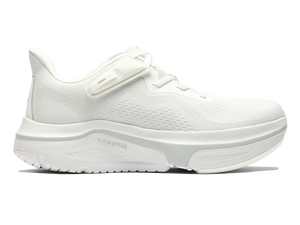

Falling frequently can be frightening and isolating. When you find yourself losing balance, tripping over seemingly nothing, or feeling unsteady multiple times a week or even daily, it affects not just your physical safety but your confidence, independence, and willingness to stay active.
This collection focuses on supportive footwear designed to help address frequent falling. While proper footwear is just one part of fall prevention, Cadense shoes help to reduce fall risk by providing stable bases, reliable traction, and supportive structures that work with your body during daily movement.
Cadense designs prioritize features that support safer walking: wide, stable platforms that improve balance, slip-resistant outsoles that grip multiple surface types, supportive ankle structures that help maintain proper positioning, and lightweight construction that doesn't add unnecessary burden to already-challenged movement.
One example is the Adaptive AFO Shoe, which offers a stable walking platform, slip-resistant outsole, and hands-free entry system designed to support safer daily movement.

Frequent falling—defined as two or more falls within a six-month period—is not a normal part of aging and typically indicates an underlying issue that warrants medical attention. Common causes of frequent falls include:
Balance and Gait Problems
• Inner ear disorders affecting balance (vertigo, vestibular dysfunction)
• Neurological conditions (Parkinson's disease, stroke, multiple sclerosis)
• Muscle weakness or poor coordination
• Gait abnormalities that affect walking stability
Vision and Sensory Issues
• Poor vision or depth perception problems
• Peripheral neuropathy (reduced sensation in feet)
• Difficulty sensing where your feet are in space
Medical Conditions and Medications
• Cardiovascular issues (low blood pressure, heart arrhythmias)
• Diabetes complications affecting nerves or circulation
• Medications causing dizziness, drowsiness, or balance problems
• Arthritis limiting mobility and stability
Environmental and Footwear Factors
• Inadequate footwear with poor traction or support
• Home hazards (loose rugs, poor lighting, clutter)
• Slippery or uneven surfaces
If you're experiencing frequent falls, it's important to consult with a healthcare provider to identify the underlying causes and develop a comprehensive fall prevention strategy.

Falls become more common with age due to multiple age-related changes that often occur simultaneously. For older adults experiencing frequent falls, several factors typically work together:
• Reduced muscle mass and strength (sarcopenia) affecting stability
• Decreased bone density increasing fracture risk when falls occur
• Balance system changes affecting coordination and reaction time
• Vision changes making hazards harder to see
• Multiple medications with side effects affecting balance
• Chronic conditions affecting mobility and stability
Each fall also increases the risk of future falls. After experiencing a fall, many seniors develop fear of falling, which leads to reduced activity, further muscle weakening, and increased fall risk—creating a dangerous cycle.
Breaking this cycle requires a multi-faceted approach, including appropriate footwear. For seniors dealing with fall-related anxiety, our Shoes for Fear of Falling collection addresses both the physical and emotional aspects of fall concerns.

While supportive footwear cannot address all causes of frequent falling, Cadense shoes help to reduce fall risk by incorporating features specifically designed to support safer walking:
• Wide, stable bases that provide a solid foundation and improve balance
• Slip-resistant outsoles engineered for traction on multiple surface types
• Low, stable heels that maintain proper center of gravity
• Supportive ankle structures that help maintain foot positioning
• Secure closures that prevent shoes from slipping off during walking
• Lightweight construction that reduces fatigue and trip hazards
• Easy entry systems that reduce fall risk during the process of putting shoes on
These design elements work together to create footwear that supports more controlled, confident movement. When combined with other fall prevention strategies—medical evaluation, strength and balance exercises, home safety modifications—appropriate footwear becomes an important part of reducing fall frequency.

Frequent falling is not something to ignore or accept as normal aging. You should seek medical evaluation if you:
• Fall two or more times within six months
• Experience unexplained balance problems or dizziness
• Notice new weakness in your legs or difficulty walking
• Feel unsteady or fearful about falling during normal activities
• Have fallen and injured yourself (even if the injury seems minor)
• Take medications that may affect balance or cause dizziness
A healthcare provider can conduct a fall risk assessment, identify underlying causes, review medications, and recommend interventions such as physical therapy, vision correction, medication adjustments, or assistive devices.
Early intervention can help prevent future falls and maintain independence longer.

When selecting footwear to help address frequent falling, Cadense shoes prioritize stability, traction, and secure fit. Look for shoes with wide bases that improve balance, slip-resistant outsoles designed for everyday surfaces, and supportive structures that help maintain proper foot positioning.
Consider how easy the shoes are to put on. Complicated closures that require balancing on one foot or excessive bending can actually increase fall risk during dressing. Easy entry systems—whether hands-free, zipper-based, or wide-opening designs—make footwear safer to use daily.
Pay attention to fit. Shoes that are too loose can slip off or catch during walking, while shoes that are too tight can cause pain and alter your gait. Proper fit means the shoe stays securely in place without pressure points or pinching.
Remember that footwear is just one component of fall prevention. Cadense shoes help to reduce fall risk, but they work best as part of a comprehensive approach that includes medical evaluation, appropriate exercise, home safety modifications, and attention to overall health.
Falls that seem to happen for no reason typically do have underlying causes, even if they're not immediately obvious. Common culprits include balance disorders, vision problems, medication side effects, muscle weakness, neurological conditions, or footwear issues. If you're falling frequently without a clear cause, consult a healthcare provider for a comprehensive fall risk assessment.
Frequent falling is generally defined as two or more falls within a six-month period. This pattern indicates elevated fall risk and warrants medical evaluation to identify underlying causes and implement prevention strategies.
Cadense shoes help to reduce fall risk by providing stable bases, slip-resistant traction, and supportive structures. While footwear alone cannot address all causes of frequent falling, appropriate shoes are an important component of a comprehensive fall prevention strategy that should also include medical evaluation and other interventions.
Frequent falls in elderly adults result from multiple age-related changes occurring simultaneously: reduced muscle strength and balance, vision changes, decreased bone density, multiple medications with balance-affecting side effects, chronic conditions affecting mobility, and slower reaction times. These factors combine to increase fall risk significantly.
If you're experiencing frequent falls, seek medical evaluation to identify underlying causes. A healthcare provider can conduct a fall risk assessment, review medications, check for balance or vision problems, and recommend interventions such as physical therapy, assistive devices, home modifications, and appropriate footwear.
Look for wide, stable bases; slip-resistant outsoles; low, stable heels; supportive ankle structures; secure closures that prevent slipping; lightweight construction; and easy entry systems. Cadense incorporates these features to help support safer walking and reduce fall risk.
![[color: white] Original Women's Adaptive Shoe](http://cadense.com/cdn/shop/files/Carousel_1.1.jpg?crop=center&height=300&v=1782793357&width=300)
![[color: navy] Original Women's Adaptive Shoe](http://cadense.com/cdn/shop/files/Carousel_1.1_133c3c62-41e7-4326-a138-1a5bbc0dc0c7.jpg?crop=center&height=300&v=1785166685&width=300)
![[color: black] Original Women's Adaptive Shoe](http://cadense.com/cdn/shop/files/Carousel_1.1_560de3f6-0d75-4d2a-abc1-ea6f94f5ced8.jpg?crop=center&height=300&v=1782793714&width=300)
![[color: all black] Original Women's Adaptive Shoe](http://cadense.com/cdn/shop/files/Carousel_1.1_90d1cdee-d62a-4134-ab79-54689cd7b148.jpg?crop=center&height=300&v=1782794838&width=300)
![[color: light blue] Original Women's Adaptive Shoe](http://cadense.com/cdn/shop/files/Carousel_1.1_07b2cc14-6d54-48dc-943e-96a36dffa910.jpg?crop=center&height=300&v=1782794050&width=300)
![[color: seaglass] Original Women's Adaptive Shoe](http://cadense.com/cdn/shop/files/Carousel_1.1_44408226-d99e-4a7c-ab68-eb48dd4571f3.jpg?crop=center&height=300&v=1782794995&width=300)
![[color: silver] Original Women's Adaptive Shoe](http://cadense.com/cdn/shop/files/Carousel_1.1_121013cc-aac9-4c6e-80cc-eb0d4a0eaa66.jpg?crop=center&height=300&v=1782795162&width=300)


![[color: slate] Original Men's Adaptive Shoe](http://cadense.com/cdn/shop/files/Carousel_1.1_043cbf10-de36-46d8-b61b-4e0cdd585dac.jpg?crop=center&height=300&v=1782831815&width=300)
![[color: black] Original Men's Adaptive Shoe](http://cadense.com/cdn/shop/files/Carousel_1.1_8d540b1a-8d50-4d65-a154-073d92a92343.jpg?crop=center&height=300&v=1782831569&width=300)
![[color: all black] Original Men's Adaptive Shoe](http://cadense.com/cdn/shop/files/Carousel_1.1_a905a580-b581-4322-957a-e0447793f3c7.jpg?crop=center&height=300&v=1782832273&width=300)
![[color: navy] Original Men's Adaptive Shoe](http://cadense.com/cdn/shop/files/Carousel_1.1_ddc55524-2fd3-497b-849a-4ce171dcb50b.jpg?crop=center&height=300&v=1782832500&width=300)
![[color: silver] Original Men's Adaptive Shoe](http://cadense.com/cdn/shop/files/Carousel_1.1_cc198631-ca4f-4c4a-9e1d-34c7facf224a.jpg?crop=center&height=300&v=1782832715&width=300)
![[color: sand] Havena Women's Adaptive Slipper](http://cadense.com/cdn/shop/files/HAVENA_SAND_T1.jpg?crop=center&height=300&v=1758745193&width=300)
![[color: chestnut] Havena Women's Adaptive Slipper](http://cadense.com/cdn/shop/files/HAVENA_CHESTNUT_T1.jpg?crop=center&height=300&v=1758919965&width=300)
