When you’re thinking about keeping your parents safe, especially as they get older, small details start to matter more. One of the biggest and most overlooked is the type of shoes they wear every day.
At first glance, most shoes look similar. But when it comes to safety, especially fall prevention, there’s a big difference between regular footwear and anti-slip shoes. That difference can mean fewer close calls, better balance, and more confidence with every step.
If you’re trying to make smart choices for your parents, understanding what makes anti-slip shoes safer can help you protect their mobility without overcomplicating things.
As people get older, a few natural changes can increase fall risk:
- Reduced muscle strength
- Slower reaction time
- Changes in balance and coordination
- Decreased sensation in the feet
Add in slippery floors, uneven sidewalks, or worn-out shoes, and the risk goes up quickly. That’s why fall prevention for seniors often starts with improving stability from the ground up, literally.
Shoes are the foundation of every step. If that foundation isn’t stable, everything else becomes harder.
Anti-slip shoes are designed specifically to improve traction and reduce the risk of slipping on different surfaces. Unlike regular shoes, they’re built with materials and patterns that grip the ground more effectively.
They’re commonly used in workplaces like healthcare or food service, but they’re just as valuable for everyday use—especially for older adults who need extra stability.
For parents who may already feel a bit unsteady, anti-slip shoes provide an extra layer of protection without requiring major lifestyle changes.
1. Traction and Grip
The biggest difference comes down to traction.
- Anti-slip shoes: Designed with rubber outsoles and specialized tread patterns that grip surfaces, even when wet or smooth.
- Regular shoes: Often have flatter or worn soles that don’t provide consistent grip.
This added traction helps prevent slips on tile floors, polished surfaces, or outdoor areas after rain.
2. Sole Design and Material
Anti-slip shoes use materials that are tested for grip and durability. The soles are often softer and more flexible in a way that increases surface contact.
Regular shoes may prioritize style or general comfort, but they don’t always focus on how the sole interacts with different surfaces. Over time, their grip can wear down quickly.
3. Stability and Balance Support
Anti-slip shoes are typically designed with stability in mind:
- Wider base for better balance
- Firm heel counters to keep the foot aligned
- Structured soles that prevent wobbling
Regular shoes can sometimes be too flexible or too loose, which may cause the foot to shift inside the shoe and affect balance.
4. Fit and Security
A secure fit is essential for safe walking.
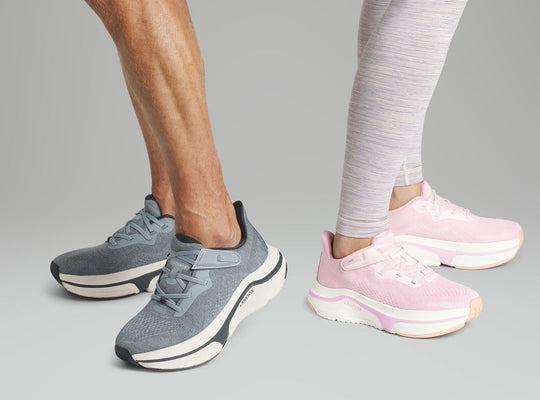
- Anti-slip shoes: Often include adjustable closures like Velcro or laces that keep the foot in place.
- Regular shoes: Slip-ons or loose-fitting styles may allow the foot to slide, increasing the risk of tripping.
When the foot moves inside the shoe, stability decreases. Anti-slip designs help eliminate that issue.
5. Durability Over Time
Anti-slip shoes are built to maintain their grip longer, even with daily use.
Regular shoes, especially those not designed for safety, can lose traction as the sole wears down. This often happens gradually, which means many people don’t notice the increased risk until a slip occurs.
For adult children, the goal isn’t just comfort—it’s prevention.
Anti-slip shoes help:
- Reduce the risk of slipping on indoor floors and outdoor surfaces
- Improve overall balance and confidence
- Support safer movement during daily routines
- Lower the chances of injury from falls
Even small improvements in traction and stability can have a big impact over time. When your parents feel steady on their feet, they’re more likely to stay active and independent.
Not sure if your parents need anti-slip shoes yet? Look for these signs:
- They’ve had a recent slip or near-fall
- Their current shoes have smooth or worn-out soles
- They feel unsteady on certain surfaces
- They avoid walking on tile, hardwood, or outdoor areas
- They mention feeling less confident while walking
Making the switch early can help prevent accidents before they happen.
While anti-slip shoes are a strong first step, they work best as part of a bigger safety approach:
- Keep floors clear of clutter and loose rugs
- Improve lighting in hallways and stairways
- Add grab bars or handrails where needed
- Encourage simple balance and strength exercises
Together, these steps create a safer environment that supports long-term mobility.
When shopping for your parents, focus on a combination of safety and comfort:
- Look for clearly labeled slip-resistant outsoles
- Choose shoes with a secure, adjustable fit
- Make sure there’s enough room in the toe box
- Check that the shoe feels stable, not overly soft or unstable
- Consider options that work with orthotics or braces if needed
The goal is to find shoes your parents will actually wear every day. Comfort matters just as much as safety.
The difference between regular shoes and anti-slip shoes may not seem obvious at first, but it plays a major role in fall prevention. Better traction, improved stability, and a secure fit all work together to keep your parents safer with every step.
Choosing the right footwear is one of the simplest ways to reduce fall risk and support long-term independence.
Explore Cadense footwear at cadense.com to find anti-slip shoes designed for stability, comfort, and safer walking so your parents can move confidently every day.




![[color: black] Original Men's Adaptive Shoe](http://cadense.com/cdn/shop/files/Carousel_1.1_8d540b1a-8d50-4d65-a154-073d92a92343.jpg?crop=center&height=300&v=1782831569&width=300)
![[color: white] Original Women's Adaptive Shoe](http://cadense.com/cdn/shop/files/Carousel_1.1.jpg?crop=center&height=300&v=1782793357&width=300)


