As parents age, everyday walking can become more challenging. Even familiar surfaces like kitchen floors, sidewalks, or carpeted hallways can pose risks. Slips, trips, and falls are a leading cause of injuries for older adults, often resulting in fractures, hospital visits, and a loss of independence.
One of the simplest and most effective ways to help prevent these accidents is by ensuring your parents have safe walking shoes designed for seniors. The right pair doesn’t just protect their feet; it helps improve stability, balance, and confidence with every step.
Aging brings natural changes that affect balance and mobility:
- Muscle weakness: Legs and core may lose strength, making recovery from missteps slower.
- Reduced coordination: Small adjustments while walking become harder to make.
- Joint stiffness or pain: Arthritis or other conditions can affect gait and stability.
- Decreased sensation in the feet: Less feedback from the ground increases the likelihood of slips.
Even minor changes in foot function or posture can increase fall risk. Without proper support from shoes, these small factors can lead to serious accidents.
Not all shoes are created equal when it comes to fall prevention. The best safe walking shoes for seniors combine several key features:
1. Slip-Resistant Soles
Shoes with grippy rubber soles and patterned treads reduce slipping on smooth or wet surfaces. Proper traction is crucial for preventing sudden falls on hardwood floors, tiles, or wet sidewalks.
2. Stable Base
A wider, stable sole provides better balance. Shoes that are too narrow, soft, or flexible can make seniors feel unsteady. A firm base encourages proper foot placement and reduces wobbling.
3. Secure Fit
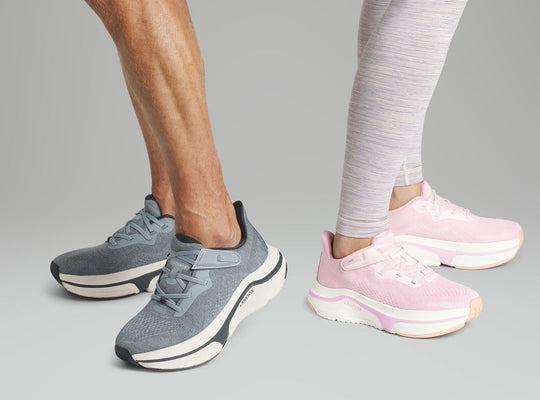
Shoes that hold the foot in place prevent sliding inside the shoe. Adjustable closures like Velcro straps or laces help create a snug fit, which improves overall stability.
4. Proper Cushioning
Well-cushioned shoes absorb impact and reduce stress on joints. Comfortable padding allows older adults to walk longer distances safely, without fatigue or discomfort.
5. Arch and Heel Support
Supportive arches and firm heel counters keep the foot aligned, improving posture and balance. Proper alignment reduces strain on knees, hips, and lower back, further minimizing the risk of falls.
6. Roomy Toe Box
A wide toe box allows natural toe movement and accommodates foot conditions like bunions or swelling. Comfort encourages consistent wear, which is essential for maintaining safety throughout the day.
Different styles can address varying needs:
- Supportive Sneakers: Offer cushioning, traction, and structured support for daily walks.
- Slip-On Comfort Shoes: Easy to wear and adjust, often with elastic panels or Velcro closures.
- Orthopedic or Adaptive Shoes: Designed to accommodate orthotics, braces, or foot deformities without sacrificing stability.
- Stability Walking Shoes: Extra firm soles and structured design for seniors with balance issues.
The right shoe depends on your parents’ mobility level, daily activities, and personal comfort preferences.
You may notice it’s time for new walking shoes if your parents:
- Frequently stumble or nearly fall
- Wear shoes with smooth, worn-out soles
- Feel pain or discomfort while walking
- Hesitate on stairs, outdoor walks, or uneven surfaces
- Avoid walking because they feel unsteady
Upgrading footwear early can prevent falls before they happen, preserving independence and confidence.
Falls aren’t just physically dangerous; they can also make seniors fearful of moving around. This fear often leads to less activity, which weakens muscles and increases future fall risk.
Proper walking shoes can break this cycle. When your parents feel stable and supported, they’re more likely to remain active, maintain strength, and continue enjoying daily life.
While footwear is essential, it works best alongside other safety measures:
- Keep hallways and stairways well-lit and free of clutter
- Secure loose rugs or mats
- Install grab bars in bathrooms and along stairs
- Encourage balance and strength exercises like gentle stretches or walking routines
Together, these steps create an environment that supports safe, independent movement.
When selecting shoes for your parents, keep these tips in mind:
- Measure their feet accurately, size and shape can change over time.
- Look for shoes labeled as slip-resistant or designed for stability.
- Ensure they accommodate orthotics or braces if needed.
- Have your parents try the shoes on and walk around to confirm comfort.
- Replace shoes when traction, cushioning, or fit begins to wear down.
Focusing on these factors ensures your parents have shoes that are safe, supportive, and comfortable enough for everyday use.
As your parents age, safe walking shoes become more than just a comfort choice; they are a preventive tool that protects their health, mobility, and independence. With the right traction, support, and fit, these shoes reduce the risk of falls and help seniors feel confident moving throughout their day.
Explore Cadense footwear at cadense.com to find shoes designed for stability, safety, and everyday comfort. With the right pair, your parents can walk confidently, safely, and independently every day.




![[color: black] Original Men's Adaptive Shoe](http://cadense.com/cdn/shop/files/Carousel_1.1_8d540b1a-8d50-4d65-a154-073d92a92343.jpg?crop=center&height=300&v=1782831569&width=300)
![[color: white] Original Women's Adaptive Shoe](http://cadense.com/cdn/shop/files/Carousel_1.1.jpg?crop=center&height=300&v=1782793357&width=300)


