Foot drop makes lifting the front of your foot difficult, which can cause dragging, tripping, and unsteady walking. Many people wonder if it can be completely cured. The answer depends on what’s causing it.
Foot drop can result from:
- Nerve damage (peroneal nerve, spinal nerve injuries)
- Neurological conditions (stroke, multiple sclerosis, cerebral palsy)
- Muscle weakness or injury
- Other medical conditions that affect the lower leg
Some cases may improve fully with treatment, while others may require long-term management. Even when a complete cure isn’t possible, interventions can help improve walking and reduce the risk of trips, slips, and falls.
Treatment is typically personalized, depending on the cause and severity of the condition. Physical therapy is often a key component, and it works alongside other supportive approaches.
Physical therapy exercises may include:
- Ankle dorsiflexion exercises to strengthen the muscles that lift the foot
- Toe raises and seated marching to improve control and coordination
- Resistance bands work for ankle and lower leg strength
- Step-up drills or gait training to encourage safer walking patterns
Therapists focus on improving muscle strength, joint flexibility, and movement coordination to support daily mobility.
Bracing options:
- Ankle-foot orthoses (AFOs) can hold the foot in a lifted position
- They help prevent trips and give confidence when walking
- Braces can be used short-term during recovery or long-term if needed
In some cases where nerve damage is severe or does not improve with therapy, surgical options may be considered. Surgery is not always required, and it depends on the underlying cause.
A healthcare provider or specialist can evaluate whether surgery is appropriate and what outcomes can be expected. Even after surgery, therapy and supportive footwear remain important to maintain safe walking patterns.
While shoes cannot cure foot drop, the right footwear helps make walking safer and more comfortable, especially while recovery or management continues. Cadense adaptive shoes are designed with mobility challenges in mind.
Features that support walking include:
- Wide toe box for stability and comfort
- Lightweight, flexible soles to encourage natural movement
- Supportive fit to reduce fatigue and enhance balance
- Easy on/off design for independence
- AFO compatibility for those using braces
These features help reduce the risk of accidents, trips, slips, and falls while complementing physical therapy and other treatments.
Even without a complete cure, you can take steps to support mobility:
- Consistently follow therapy exercises recommended by your provider
- Use braces or orthotics as advised
- Wear adaptive footwear that supports safer movement
- Practice safe walking environments: clear clutter, use handrails, avoid uneven surfaces
- Monitor progress and report changes to your healthcare team
Small, consistent actions can significantly improve safety and confidence while walking.
Seek professional guidance if you notice:
- Increased foot-dragging
- Sudden weakness or numbness
- Frequent tripping or slips
- Changes in gait that make walking unsafe
Early evaluation can help identify reversible causes and ensure you receive the most effective combination of therapy, bracing, and supportive footwear.
Foot drop may not always be fully curable, but it is often manageable. Combining targeted physical therapy exercises, supportive braces when needed, and adaptive footwear can make walking safer, more comfortable, and more confident.
Explore Cadense adaptive shoes to support your daily walking and help reduce trips, slips, and falls.



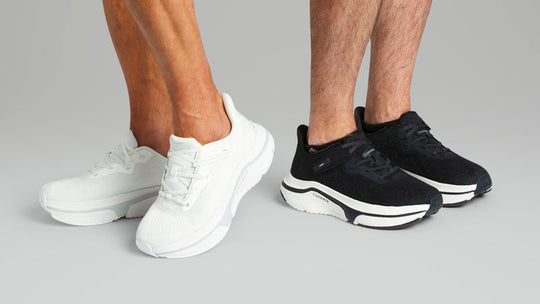

![[color: black] Original Men's Adaptive Shoe](http://cadense.com/cdn/shop/files/Carousel_1.1_8d540b1a-8d50-4d65-a154-073d92a92343.jpg?crop=center&height=300&v=1782831569&width=300)
![[color: white] Original Women's Adaptive Shoe](http://cadense.com/cdn/shop/files/Carousel_1.1.jpg?crop=center&height=300&v=1782793357&width=300)


