Foot pain can make every step a challenge. Conditions like plantar fasciitis, arthritis, or general foot fatigue often limit mobility and make daily activities uncomfortable. While medication, therapy, and rest help, the right footwear can make a significant difference.
Medical shoes for foot pain are designed to provide support, reduce strain, and improve walking comfort. Unlike standard shoes, they focus on stabilizing the foot, protecting sensitive areas, and accommodating orthotics or braces.
Let’s explore how these shoes work and why they can help with common foot conditions.
Plantar fasciitis occurs when the tissue along the bottom of the foot becomes inflamed, causing sharp heel pain. Walking can be especially painful in the morning or after periods of rest.
Medical shoes for plantar fasciitis often include:
- Cushioned Insoles: Reduce impact on the heel with every step.
- Arch Support: Maintains proper foot alignment, relieving tension on the plantar fascia.
- Firm Heel Counters: Stabilize the rearfoot and reduce strain during gait.
- Shock-Absorbing Soles: Protect the foot from repetitive impact that can worsen pain.
By supporting proper foot mechanics, medical shoes can reduce pain, help prevent flare-ups, and make daily walking more comfortable.
Arthritis can cause stiffness, swelling, and joint pain, especially in the toes, heels, and ankles. Poorly fitting or unsupportive shoes can make symptoms worse.
Medical shoes designed for arthritis typically feature:
- Extra Depth and Wide Toe Boxes: Reduce pressure on swollen or tender joints.
- Soft, Flexible Materials: Minimize friction and irritation while accommodating joint deformities.
- Stable Soles: Provide balance and support to reduce the risk of slips and falls.
- Custom Orthotic Compatibility: Allow inserts to redistribute pressure and relieve pain.
These features make walking less painful and can help maintain independence for those with foot arthritis.
Regular shoes are usually designed for style or basic comfort, not foot conditions. They often lack:
- Adequate arch support
- Depth for orthotics or swelling
- Stability features to prevent missteps
- Cushioning that targets pressure points
Medical shoes, on the other hand, are engineered to protect sensitive feet, reduce strain, and work with braces or orthotics. They support better alignment, minimize fatigue, and reduce the risk of secondary issues such as ankle instability or trips and falls.
When shopping for medical shoes, consider these essential features:
- Cushioned Insoles: Absorb impact and reduce pressure on painful areas.
- Arch Support: Prevents overpronation and improves gait mechanics.
- Extra Depth and Wide Toe Box: Accommodates swelling, orthotics, or joint deformities.
- Firm Heel Support: Keeps the heel aligned and stabilizes each step.
- Adjustable Closures: Laces or straps ensure a secure, comfortable fit.
- Non-Slip Outsoles: Reduce the risk of slips, trips, and falls.
Together, these features address pain, improve comfort, and enhance walking safety.
Medical shoes for foot pain are ideal for:
- Seniors with arthritis or foot fatigue
- People recovering from plantar fasciitis
- Anyone using orthotics or braces for foot conditions
- Individuals seeking improved stability and safer daily walking
Even mild foot pain can be improved with shoes designed to support alignment, cushioning, and mobility.
- Try shoes on at the end of the day when feet may be slightly swollen.
- Wear your orthotic or brace while trying shoes for the best fit.
- Choose shoes that allow natural movement without restricting flexibility.
- Ensure the shoe fits securely at the heel to prevent slipping.
Consult with a podiatrist or physical therapist if you have ongoing foot pain or deformities.
Medical shoes for foot pain can make a meaningful difference for conditions like plantar fasciitis and arthritis. By providing proper cushioning, support, and stability, they reduce pain, improve mobility, and help maintain independence.
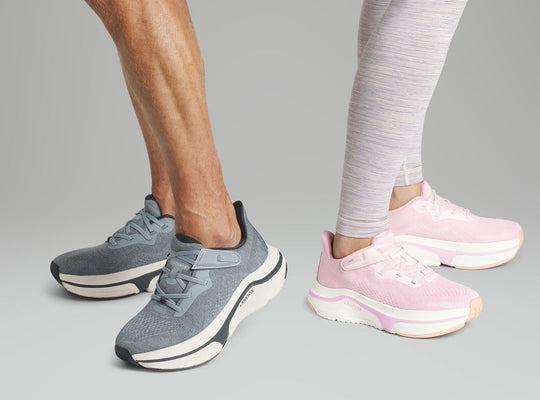
Explore Cadense adaptive shoes at cadense.com to find footwear designed for comfort, support, and safer daily walking for sensitive or painful feet.




![[color: black] Original Men's Adaptive Shoe](http://cadense.com/cdn/shop/files/Carousel_1.1_8d540b1a-8d50-4d65-a154-073d92a92343.jpg?crop=center&height=300&v=1782831569&width=300)
![[color: white] Original Women's Adaptive Shoe](http://cadense.com/cdn/shop/files/Carousel_1.1.jpg?crop=center&height=300&v=1782793357&width=300)


