Walking should feel steady and predictable. But for seniors and individuals managing mobility conditions, every step can require extra attention. When balance, strength, or foot function changes, the right footwear becomes more than a comfort choice. It becomes a safety tool.
Medical walking shoes are specifically designed to provide structure, support, and protection. Unlike regular sneakers or casual shoes, they focus on stability and functional movement.
If you’re considering medical walking shoes, here are the most important features to look for.
Medical walking shoes are built with stability and support as the priority. While regular walking shoes may focus on cushioning or flexibility, medical walking shoes emphasize alignment, control, and fall prevention.
They are often recommended for individuals who:
- Have balance concerns
- Use braces or orthotics
- Experience foot drop
- Are recovering from injury or surgery
- Need additional structure for safe daily walking
The goal is simple: improve stability while reducing the risk of slips, trips, and falls.
One of the most critical features in medical walking shoes is a firm, supportive sole.
A sole that is too soft or overly flexible can:
- Reduce ground control
- Increase ankle instability
- Make gait less predictable
Medical walking shoes typically include:
- Structured midsoles
- Low, stable heel heights
- Slip-resistant outsoles
This combination creates a more controlled step and reduces the chance of losing balance on uneven or slick surfaces.
The heel counter, which cups the back of the foot, plays a major role in stability.
A reinforced heel counter helps:
- Keep the foot aligned
- Prevent excessive side-to-side motion
- Reduce ankle rolling
Without proper heel structure, even a well-cushioned shoe may feel unstable. For anyone managing balance concerns, strong rearfoot support is essential.
Many people who need medical walking shoes also use orthotics or ankle-foot braces (AFOs). Standard shoes often lack the interior space needed to accommodate these devices comfortably.
Extra depth allows room for:
- Custom orthotics
- Braces
- Swelling or sensitive areas
This prevents pressure points and ensures the foot sits securely inside the shoe rather than being compressed or misaligned.
Ease of use matters, especially for seniors or individuals with limited hand strength or mobility.
Medical walking shoes often feature:
- Adjustable straps
- Wide-opening designs
- Closures that provide a secure, customized fit
A proper closure system ensures the shoe stays snug without being restrictive. Loose shoes increase fall risk, while overly tight shoes can cause discomfort and instability.
Even the most supportive medical walking shoe won’t help if it doesn’t fit correctly.
A good fit should:
- Hold the heel firmly in place
- Leave enough room in the toe box
- Avoid slipping during walking
- Feel secure without pressure points
Trying shoes on while wearing braces or orthotics is essential. The shoe should support the device, not fight against it.
Many people assume lighter is always better. While heavy shoes can cause fatigue, overly lightweight shoes may lack structure.
The ideal balance includes:
- Enough weight for stability
- Structured materials that maintain shape
- Supportive construction without unnecessary bulk
The focus should be on stability first, then comfort.
Falls often occur due to:
- Toe dragging
- Ankle instability
- Slipping on smooth surfaces
- Uneven ground
Medical walking shoes address these issues by:
- Supporting proper alignment
- Improving traction
- Enhancing balance
- Creating a predictable, stable step
For seniors especially, this added stability can make everyday activities safer and more manageable.
Medical walking shoes are often beneficial for:
- Seniors concerned about falls
- Individuals with foot drop
- People using AFOs or orthotics
- Those recovering from lower limb injuries
- Anyone experiencing balance challenges
If walking feels less steady than it used to, footwear is one of the first and easiest changes to make.
Medical walking shoes are designed with stability and safety in mind. Features like firm soles, reinforced heel counters, extra depth, and secure closures all work together to create safer movement.
Choosing the right pair can help reduce slips, trips, and falls while improving confidence in daily walking.
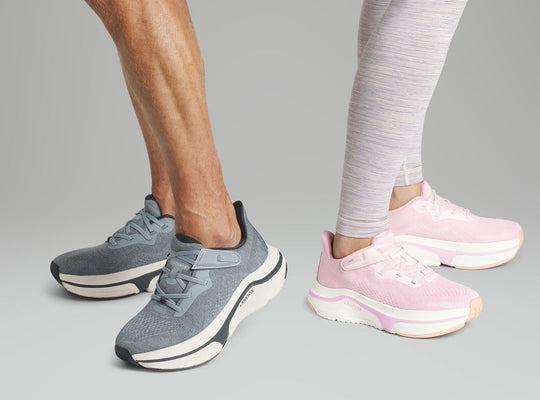
Explore Cadense adaptive footwear at cadense.com to find medical walking shoes designed to support balance, brace compatibility, and steady, comfortable movement every day.




![[color: black] Original Men's Adaptive Shoe](http://cadense.com/cdn/shop/files/Carousel_1.1_8d540b1a-8d50-4d65-a154-073d92a92343.jpg?crop=center&height=300&v=1782831569&width=300)
![[color: white] Original Women's Adaptive Shoe](http://cadense.com/cdn/shop/files/Carousel_1.1.jpg?crop=center&height=300&v=1782793357&width=300)


