Walking can become challenging after an injury or when conditions like foot drop affect the muscles that lift and control the foot. Difficulty lifting the front of the foot, dragging toes, or experiencing fatigue can make daily mobility risky and uncomfortable.
Physical therapy focuses on restoring strength, improving balance, and retraining the nervous system to walk safely. The right techniques can help individuals regain confidence, reduce the risk of trips and falls, and support long-term independence.
Gait refers to the way a person walks. After an injury, nerve damage, or muscle weakness, common gait problems may include:
- Foot Drop: Difficulty lifting the front of the foot, causing dragging.
- Shortened Stride: Taking smaller steps to compensate for weakness or instability.
- Altered Balance: Shifting weight to maintain stability, which can cause fatigue.
- Hip or Knee Compensation: Swinging the leg outward or lifting the knee higher to avoid toe dragging.
Recognizing these patterns helps physical therapists design targeted interventions for safer, more efficient walking.
1. Strengthening Exercises
Strong muscles in the legs, ankles, and feet are essential for safe walking. Exercises may include:
- Ankle Dorsiflexion with Resistance Bands: Strengthens the muscles that lift the foot.
- Calf Raises: Improves stability and push-off power during walking.
- Toe Curls and Towel Scrunches: Strengthen smaller foot muscles for better control.
Regular strengthening helps restore muscle function and supports long-term gait improvement.
2. Balance Training
Balance exercises reduce the risk of falls and enhance walking confidence. Techniques may include:
- Single-Leg Stance: Standing on one foot with support as needed.
- Heel-to-Toe Walking: Encourages proper foot placement and coordination.
- Dynamic Balance Drills: Shifting weight while standing or walking to simulate daily movement.
These exercises retrain the nervous system and improve postural control.
3. Gait Retraining
Physical therapists often work directly on walking mechanics to restore a natural gait pattern. This can involve:
- Step Length and Timing Practice: Corrects shortened or uneven steps.
- Foot Placement Cues: Encourages proper heel strike and toe lift.
- Mirror or Video Feedback: Allows patients to see and adjust their walking pattern.
Gait retraining helps the body relearn efficient, safe movement patterns.
4. Functional Mobility Drills
Practical exercises prepare individuals for real-world walking challenges:
- Stair Navigation Practice: Builds strength and balance for daily activities.
- Obstacle Courses: Trains coordination and foot placement in a safe environment.
- Turning and Direction Changes: Improves adaptability during walking in crowded or tight spaces.
These drills bridge the gap between therapy and everyday life.
5. Assistive Devices and Braces
Sometimes, physical therapy is paired with supportive devices:
- Ankle-Foot Orthoses (AFOs): Help lift the foot and maintain proper alignment.
- Walkers or Canes: Provide extra stability while regaining strength.
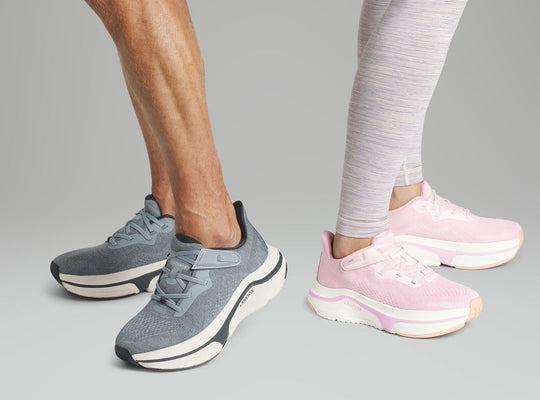
- Adaptive Footwear: Shoes designed to work with braces or improve balance.
Combining therapy with the right devices maximizes safety and gait improvement.
- Consistency is Key: Daily or regular practice leads to faster improvements.
- Start Slow: Gradually increase the intensity and complexity of exercises.
- Monitor Progress: Keep track of stride length, balance, and endurance.
- Work With Professionals: Physical therapists can adjust programs as needed for optimal results.
Early intervention and a structured program significantly improve outcomes for those with foot drop or post-injury gait challenges.
Physical therapy techniques for gait improvement focus on strength, balance, retraining walking mechanics, and functional mobility. Combining these exercises with supportive braces or adaptive footwear can help individuals regain safe, confident walking and reduce the risk of falls.
Find a Cadense Coach near you to get guidance on physical therapy exercises, braces, and shoes designed to support gait improvement and safer walking every day.




![[color: black] Original Men's Adaptive Shoe](http://cadense.com/cdn/shop/files/Carousel_1.1_8d540b1a-8d50-4d65-a154-073d92a92343.jpg?crop=center&height=300&v=1782831569&width=300)
![[color: white] Original Women's Adaptive Shoe](http://cadense.com/cdn/shop/files/Carousel_1.1.jpg?crop=center&height=300&v=1782793357&width=300)


