As we age, finding the right shoes becomes more than a matter of style—it’s essential for comfort, stability, and safety. Seniors often face foot pain, balance challenges, and joint issues that can make walking uncomfortable or risky.
The best comfortable shoes for seniors are designed to support aging feet, reduce pressure points, and help prevent trips and falls. Choosing the right pair can improve mobility, protect joints, and allow seniors to stay active and independent.
Comfortable shoes play a key role in everyday mobility. Feet tend to change shape with age, and conditions like arthritis, plantar fasciitis, bunions, or foot drop can cause discomfort or pain.
Wearing supportive, cushioned footwear can:
- Reduce foot and joint pain
- Improve balance and stability
- Prevent slips, trips, and falls
- Increase confidence while walking
For seniors, investing in proper shoes is an investment in safety and quality of life.
When selecting shoes, consider these essential features:
- Cushioned Insoles: Absorb shock and relieve pressure from sensitive areas.
- Supportive Arch: Maintains natural foot alignment and prevents strain.
- Wide Toe Box: Allows toes to spread naturally, reducing pinching or discomfort.
- Adjustable Closures: Laces, straps, or Velcro ensure a secure, customized fit.
- Slip-Resistant Soles: Provide traction on smooth or uneven surfaces, reducing fall risk.
- Lightweight and Flexible Materials: Allow natural movement without restricting the foot.
Shoes with these features can help seniors walk longer, feel comfortable, and maintain independence.
- Walking Shoes: Offer stable soles, cushioning, and long-term comfort.
- Orthopedic Shoes: Designed to accommodate foot conditions and orthotics.
- Adaptive Shoes: Work well with braces or supports for those with foot drop or limited mobility.
- Slip-On Shoes: Easy to put on while still providing support and stability.
Choosing the right type depends on daily activities, mobility needs, and any underlying foot conditions.
Even high-quality shoes won’t help if they don’t fit correctly. Seniors should:
- Try shoes on with the socks or orthotics they normally wear
- Ensure the toe box is wide enough for comfort
- Walk indoors to test comfort and balance before buying
- Avoid shoes that pinch, rub, or feel loose, as these can cause pain or blisters
Properly fitted shoes improve comfort, reduce fatigue, and enhance walking stability.
- Replace Worn Shoes Promptly: Old soles or compressed cushioning reduce support and increase fall risk.
- Use Orthotics if Needed: Inserts can provide extra support and relieve pressure.
- Low, Stable Heels: Avoid high or unstable heels to maintain balance.
- Professional Guidance: Podiatrists or physical therapists can provide recommendations based on individual foot conditions.
Combining good shoes with professional advice ensures maximum comfort, safety, and mobility.
The best comfortable shoes for seniors combine cushioning, support, and slip-resistant safety to protect feet, improve walking, and reduce the risk of falls. Investing in proper footwear helps seniors stay active, independent, and confident every day.
Explore Cadense adaptive footwear at cadense.com to find shoes that support sensitive feet, work with braces or orthotics, and keep seniors comfortable, stable, and safe while walking.



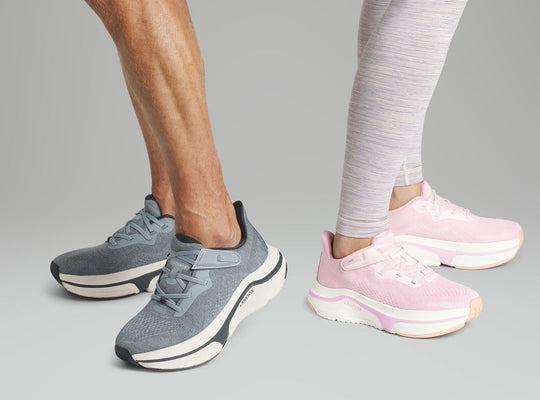

![[color: black] Original Men's Adaptive Shoe](http://cadense.com/cdn/shop/files/Carousel_1.1_8d540b1a-8d50-4d65-a154-073d92a92343.jpg?crop=center&height=300&v=1782831569&width=300)
![[color: white] Original Women's Adaptive Shoe](http://cadense.com/cdn/shop/files/Carousel_1.1.jpg?crop=center&height=300&v=1782793357&width=300)


