Choosing the right footwear for your parents can feel straightforward at first. If the shoes look comfortable and fit well, they should be fine, right?
Not quite. When it comes to shoes to prevent falls, small details make a big difference. The wrong pair can quietly increase the risk of slips, trips, and instability, even if they feel comfortable at first.
For adult children focused on prevention, knowing what not to buy is just as important as knowing what to look for.
Footwear directly affects how your parents walk. Shoes influence balance, posture, and how the foot connects with the ground.
When shoes lack proper support or traction, they can lead to:
- slipping on smooth surfaces
- uneven steps
- slower reaction time
- increased fatigue
- reduced confidence while walking
Many falls happen not because of major hazards, but because of small stability issues that build up over time.
One of the most common mistakes is overlooking the sole.
Shoes with smooth, hard, or worn-out soles don’t provide enough grip. This is especially risky on:
- tile floors
- hardwood surfaces
- wet sidewalks
- polished indoor areas
What to choose instead:
- rubber outsoles
- textured tread patterns
- slip-resistant materials
Good traction is the foundation of fall prevention.
Comfort is important—but comfort alone isn’t enough.
Some shoes feel soft and cushioned but lack the structure needed for stability. Overly soft shoes can allow the foot to shift too much, which affects balance.
What to look for instead:
- cushioning with structure
- firm heel support
- stable midsoles
The goal is comfort that supports movement, not just softness.
A poor fit is a major contributor to falls.
Shoes that are too loose can cause the foot to slide, while tight shoes can create discomfort that changes walking patterns.
Common fit issues include:
- heel slipping
- toes feeling cramped
- uneven pressure on the foot
What to aim for:
- snug but comfortable fit
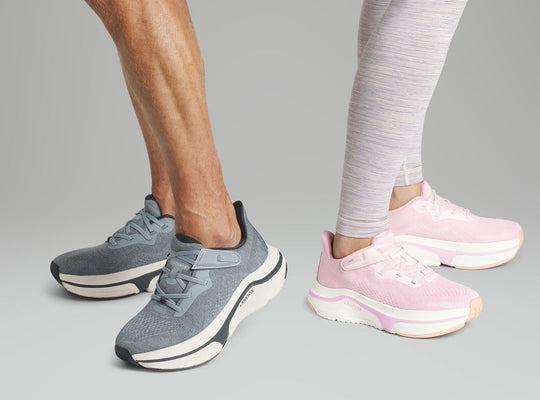
- secure closures like Velcro or adjustable laces
- enough room for natural toe movement
A secure fit keeps the foot stable with every step.
Many seniors wear slippers at home because they feel easy and comfortable.
The problem is that most slippers:
- lack proper support
- have minimal traction
- don’t hold the foot securely
This makes them one of the most common causes of indoor slips and falls.
A better option is supportive indoor shoes with non-slip soles.
Even good shoes become unsafe over time.
As shoes wear down, they lose:
- grip on the soles
- cushioning support
- structural stability
Signs it’s time to replace them include:
- smooth or uneven soles
- visible wear on the heel
- reduced comfort during walking
Replacing shoes at the right time is a simple but important safety step.
Some shoes are designed more for appearance than function.
Flat shoes with no support, narrow designs, or unstable soles may look good but can increase fall risk.
For seniors, function should always come first.
Look for designs that prioritize:
- balance
- support
- secure fit
- traction
Shoes that are difficult to put on or adjust often lead to a poor fit.
If your parents struggle with laces or tight openings, they may:
- leave shoes loosely tied
- wear them improperly
- avoid wearing them altogether
Better options include:
- Velcro closures
- slip-on designs with structure
- easy-entry openings
Ease of use helps ensure the shoes are worn correctly every day.
After avoiding these mistakes, focus on the features that actually improve safety:
- slip-resistant soles for traction
- stable base for balance
- supportive cushioning
- secure fit with adjustable closures
- wide toe box for comfort
- lightweight design to reduce fatigue
The best shoes combine all of these elements into one practical, wearable option.
Falls can have a lasting impact on independence. Even a minor fall can reduce confidence and limit daily activity.
The right footwear helps prevent that by:
- improving stability
- supporting natural movement
- reducing fear of walking
- encouraging daily activity
For adult children, choosing the right shoes is one of the easiest ways to make a meaningful difference.
Footwear is often overlooked because it seems like a small detail. But in reality, it’s one of the most important factors in daily mobility.
Avoiding these common mistakes can:
- reduce fall risk
- improve comfort
- support better balance
- increase confidence
It’s a simple change with a big impact.
Choosing the right shoes to prevent falls isn’t just about picking something comfortable—it’s about avoiding the mistakes that can quietly increase risk. From poor traction to improper fit, small details matter when it comes to safety.
By focusing on stability, support, and secure design, you can help your parents move more confidently and reduce their risk of falling.
Explore Cadense footwear at cadense.com to find shoes designed for traction, comfort, and stability—helping your parents stay safe, active, and independent every day.




![[color: black] Original Men's Adaptive Shoe](http://cadense.com/cdn/shop/files/Carousel_1.1_8d540b1a-8d50-4d65-a154-073d92a92343.jpg?crop=center&height=300&v=1782831569&width=300)
![[color: white] Original Women's Adaptive Shoe](http://cadense.com/cdn/shop/files/Carousel_1.1.jpg?crop=center&height=300&v=1782793357&width=300)


