Choosing the best shoes for seniors is not as simple as picking something comfortable off the shelf. As people age, foot pain, balance changes, and lifestyle differences all play a role in what makes a shoe safe and supportive.
For adult children helping their parents, the goal is not just comfort. It’s about finding footwear that supports stability, reduces fall risk, and fits into everyday life without making movement harder.
As seniors age, their feet and walking patterns naturally change. What once felt fine may no longer provide enough support.
Common changes include:
- reduced cushioning in the feet
- joint stiffness or arthritis
- weaker balance and coordination
- increased sensitivity or pain
- slower walking speed
These changes make footwear a key factor in daily safety and comfort.
Foot pain is often the first sign that footwear needs to change. Ignoring it can lead to altered walking patterns, which increases strain and fall risk.
If your parents have foot pain, look for:
- soft cushioning for pressure relief
- arch support for alignment
- wide toe box for reduced compression
- shock-absorbing soles
Common conditions to consider include:
- plantar fasciitis
- bunions
- arthritis
- general foot fatigue
The goal is to reduce pressure, not just cover it up.
Balance becomes more sensitive with age, and footwear plays a major role in supporting it.
Shoes that improve stability should include:
- slip-resistant soles for better grip
- firm heel support to reduce wobbling
- structured midsoles for alignment
- low, stable base to prevent tipping
Avoid overly soft or unstable shoes, as they can make balance issues worse.
A stable shoe helps create a more controlled walking pattern, which reduces fall risk.
Not all seniors have the same daily routine. Lifestyle plays a big role in choosing the right footwear.
For active seniors:
- lightweight but supportive shoes
- durable outsoles for outdoor walking
- extra cushioning for longer distances
For mostly indoor seniors:
- soft but structured shoes
- easy slip-on or Velcro designs
- strong grip for indoor flooring
For seniors with limited mobility:
- easy-entry shoes
- minimal effort closures
- maximum stability and support
Matching shoes to lifestyle ensures they are worn consistently and correctly.
No matter the situation, the best shoes usually share a few essential features.
1. Slip-Resistant Outsoles
Improves traction on both indoor and outdoor surfaces.
2. Secure Fit
Prevents the foot from sliding inside the shoe, improving stability.
3. Cushioning With Structure
Reduces impact while maintaining balance support.
4. Wide Toe Box
Allows natural foot movement and reduces pressure points.
5. Lightweight Design
Helps reduce fatigue and supports smoother walking.
Even well-intentioned shoe choices can increase risk if key details are missed.
Avoid:
- overly soft slippers with no structure
- shoes that are too loose or too tight
- worn-out soles with poor grip
- fashion-first shoes without support
- ignoring signs of foot pain or discomfort
These mistakes can quietly impact balance and stability over time.
Footwear doesn’t last forever, especially for seniors who rely on it daily.
Watch for:
- visible wear on the soles
- reduced comfort while walking
- changes in walking speed or posture
- increased hesitation or instability
- complaints of foot or joint pain
These are signs the shoes may no longer be supporting safe movement.
The right footwear does more than reduce discomfort. It directly supports independence by making movement easier and safer.
Better shoes help seniors:
- walk with more confidence
- stay active longer
- reduce fear of falling
- maintain daily routines
- remain independent for longer
For adult children, this is one of the simplest ways to make a meaningful impact.
Choosing the best shoes for seniors based on foot pain, balance, and lifestyle is one of the most practical ways to support safety and independence. The right combination of comfort, stability, and fit can make daily movement easier and reduce fall risk significantly.
When shoes match your parents’ needs, walking becomes more natural, more confident, and less tiring.
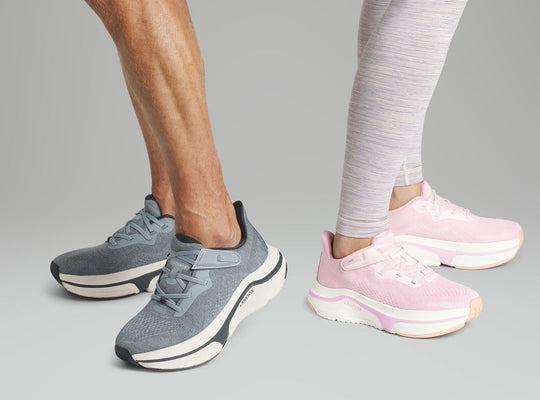
Explore Cadense footwear at cadense.com to find supportive, stable shoes designed for comfort, balance, and safer walking—helping your parents stay active and independent every day.




![[color: black] Original Men's Adaptive Shoe](http://cadense.com/cdn/shop/files/Carousel_1.1_8d540b1a-8d50-4d65-a154-073d92a92343.jpg?crop=center&height=300&v=1782831569&width=300)
![[color: white] Original Women's Adaptive Shoe](http://cadense.com/cdn/shop/files/Carousel_1.1.jpg?crop=center&height=300&v=1782793357&width=300)


