Skip to content
Find A Cadense Coach Location

Understanding the Cause of Drop Foot and How It Impacts Daily Mobility

Posted by:

Johannes Sauer

Updated at: January 07, 2026

Table of Contents
  1. Understanding the Cause of Drop Foot and How It Impacts Daily Mobility

  2. What Are the Most Common Causes of Drop Foot?

  3. How Does Drop Foot Affect Daily Walking?

  4. How Can Therapy and Bracing Help?

  5. How Does Supportive Footwear Play a Role?

  6. What Can You Do at Home to Support Foot Drop Management?

  7. Walk In Confidence with Cadense

Understanding the Cause of Drop Foot and How It Impacts Daily Mobility

Drop foot is a condition where lifting the front of the foot becomes difficult, causing toes to drag during walking. This can lead to trips, slips, and falls, making everyday movement more challenging.

Understanding the cause of drop foot is essential to addressing it effectively and maintaining safe, confident mobility.

What Are the Most Common Causes of Drop Foot?

Drop foot usually results from issues affecting nerves, muscles, or the brain. Knowing the underlying cause helps determine the most effective interventions.

Common causes include:

  • Peroneal nerve injury: Often from compression, trauma, or surgery; affects the muscles that lift the foot.
  • Neurological conditions: Stroke, multiple sclerosis, cerebral palsy, or Parkinson’s disease can interfere with nerve signals controlling the foot.
  • Muscle weakness: Weakness in the ankle or lower leg muscles can limit the ability to lift the foot.
  • Spinal issues: Herniated discs or spinal injuries can impact the nerves controlling foot movement.
  • Diabetic neuropathy or other metabolic disorders: Nerve damage from chronic conditions can contribute to drop foot.

Identifying the specific cause is important because it guides whether treatment should focus on therapy, bracing, surgery, or a combination of approaches.

How Does Drop Foot Affect Daily Walking?

Drop foot changes the way you walk, even in mild cases. People often compensate with high-stepping motions, which can lead to fatigue, muscle strain, and instability.

Effects on mobility may include:

  • Toe dragging and increased risk of trips and falls
  • Altered gait that strains knees, hips, and lower back
  • Reduced balance on uneven surfaces
  • Difficulty navigating stairs or slopes
  • Fatigue during longer walks or standing periods

Because walking safely is affected, timely intervention is key to preventing accidents and supporting independence.

Understanding the Cause of Drop Foot and How It Impacts Daily Mobility - Foot drop shoes by Cadense

Jan 7, 2026

How Can Therapy and Bracing Help?

While some causes of drop foot can improve over time, therapy and bracing are often essential for safer walking.

Physical therapy exercises:

  • Ankle dorsiflexion and toe raises to strengthen lifting muscles
  • Gait training and step drills to practice controlled walking

  • Resistance exercises for ankle and lower leg stability

Bracing:

  • Ankle-foot orthoses (AFOs) support the foot in a lifted position
  • Helps prevent trips and improves balance
  • Can be used temporarily during recovery or longer-term as needed

Combining therapy with bracing addresses both strength and safety, making daily walking more reliable.

How Does Supportive Footwear Play a Role?

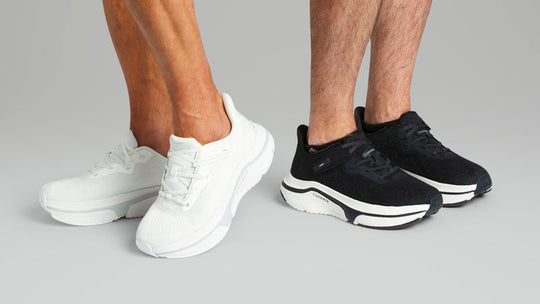
The right shoes complement therapy and bracing by providing stability and comfort. Cadense adaptive shoes are designed for mobility challenges, including drop foot.

Features that help:

  • Wide toe box for balance and comfort
  • Flexible, lightweight soles to encourage natural movement
  • Secure fit that works with or without an AFO
  • Easy on/off design for independence

Supportive footwear helps reduce fatigue and supports safer walking while exercises and bracing work to improve mobility.

What Can You Do at Home to Support Foot Drop Management?

Even at home, you can take steps to support safer walking:

  • Practice recommended physical therapy exercises daily
  • Wear your brace consistently if prescribed
  • Use adaptive shoes for stability
  • Keep walking paths clear and avoid tripping hazards
  • Monitor for changes in strength, balance, or foot sensation

Consistency helps maintain mobility and reduces the risk of accidents.

Walk In Confidence with Cadense

Drop foot can significantly impact daily walking, but understanding its cause is the first step toward safer mobility. Combining targeted exercises, supportive bracing, and adaptive footwear helps reduce trips, slips, and falls while improving confidence in movement.

Explore Cadense adaptive shoes to support safer walking and enhance mobility for foot drop now.

Shoes for Foot Drop


Color:

Only 9 in stock


Color:

11 in stock


Color:

16 in stock

Posted by: Johannes Sauer

Johannes is the CEO and Co-Founder of Cadense and passionate about helping people with walking difficulties. He was immediately drawn to the mission of the company because his cousin lost his lower leg in a tragic motorcycle accident a few years ago and is experiencing walking difficulties ever since. Johannes brings over a decade of experience in working for consumer product companies to Cadense. He holds an MBA from the University of Graz in Austria. Johannes lives with his family in Santa Barbara, CA.

Read more
Older Post
Newer Post

Leave a comment

Please note, comments must be approved before they are published

Shopping Cart