Cart
Your cart is empty
Looks like you haven’t added anything yet, browse new arrivals below!
Continue ShoppingEnjoy Free 30 Day Returns!
Looks like you haven’t added anything yet, browse new arrivals below!
Continue Shopping
Posted by:
Johannes SauerUpdated at: January 05, 2026
What AFO Means and How It Supports Safer Walking
Why Is Understanding AFOs Important?
How Does an AFO Support Walking?
Who Might Benefit from an AFO?
How Does Footwear Work With an AFO?
What Other Strategies Complement an AFO?
Help Make Walking Safer with Cadense
If you’ve heard the term “AFO” in physical therapy or mobility discussions, you might wonder what it really means. AFO stands for Ankle-Foot Orthosis, a device designed to support the foot and ankle.
People often use AFOs when walking is difficult due to weakness, nerve issues, or conditions like foot drop. The goal is not just to hold the foot in place, but to enhance stability, prevent trips, slips, and falls, and make walking safer.
Knowing what an AFO does helps you make informed decisions about mobility support. Foot and ankle weakness can affect:
Understanding the role of an AFO can help you work with your physical therapist to choose the right device and complement it with exercises and supportive footwear.
An AFO works by stabilizing the foot and ankle, especially during the part of the step when the foot lifts and moves forward. This reduces the chances of catching the toes and losing balance.
When paired with physical therapy, an AFO can be part of a broader strategy to improve walking safety and confidence.
AFOs are commonly recommended for people with:
Your physical therapist can evaluate your specific needs and determine whether an AFO is appropriate for daily use or temporary support during recovery.
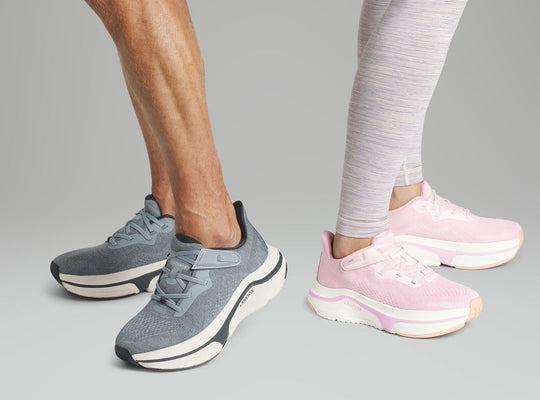
Supportive shoes make wearing an AFO more effective. Cadense adaptive shoes are designed to:
Combining an AFO with the right footwear supports safer walking while helping you maintain independence in daily activities.
While AFOs provide structural support, other practices can improve overall mobility:
These strategies, paired with an AFO, help reduce the risk of accidents and improve walking efficiency.
Posted by: Johannes Sauer
Johannes is the CEO and Co-Founder of Cadense and passionate about helping people with walking difficulties. He was immediately drawn to the mission of the company because his cousin lost his lower leg in a tragic motorcycle accident a few years ago and is experiencing walking difficulties ever since. Johannes brings over a decade of experience in working for consumer product companies to Cadense. He holds an MBA from the University of Graz in Austria. Johannes lives with his family in Santa Barbara, CA.
Read moreMedical Disclaimer: This website is not intended for the purpose of providing medical advice. This website’s information, content, and material are for informational purposes only and are not intended to serve as a substitute for the consultation, diagnosis, and/or medical treatment of a qualified physician or healthcare provider. Cadense Inc. may not be held liable for any damages whether incidental, ordinary or consequential. Cadense does not make any guarantee of any particular end result. Cadense makes no claims or guarantees of payment/reimbursement by any insurance companies. Cadense adaptive shoes are intended to provide greater mobility to those with walking difficulties.