Walking can feel unpredictable for people with foot drop. This condition makes it difficult to lift the front part of the foot, increasing the risk of toe dragging, trips, and falls. While braces, therapy, and supportive exercises help, the right shoes can make a major difference.
Adaptive shoes for foot drop are specially designed to improve stability, accommodate braces or orthotics, and make daily movement safer and more comfortable. Unlike standard footwear, they focus on supporting the altered mechanics of walking caused by foot drop.
Let’s explore what makes adaptive shoes different and how they help people walk more safely.
Foot drop occurs when the muscles that lift the front of the foot are weak or paralyzed. This can result from nerve damage, stroke, or certain neurological conditions.
The main challenges include:
- The toes dragging on the ground
- Higher risk of tripping
- Changes in gait to compensate for limited foot lift
- Fatigue or strain in the legs, hips, or back
Because of these changes, supportive footwear becomes an essential tool for maintaining mobility and preventing falls.
Adaptive shoes are engineered specifically to address the challenges of foot drop. Key design elements include:
- Extra Depth and Wide Toe Boxes: Accommodates braces, orthotics, or swelling comfortably.
- Stable, Firm Soles: Provide support and reduce wobbling during each step.
- Reinforced Heel Counters: Keep the heel in place and improve alignment.
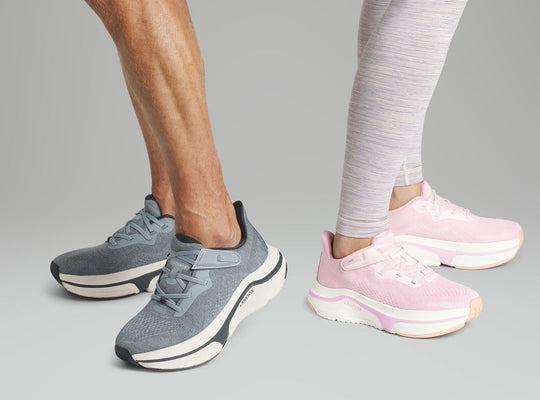
- Adjustable Closures: Straps or laces allow a secure, customized fit.
- Slip-Resistant Outsoles: Reduce the risk of trips and falls on smooth or uneven surfaces.
Each of these features works together to make walking safer, more predictable, and less fatiguing.
Many people with foot drop use ankle-foot orthoses (AFOs) or custom orthotics. Regular shoes often don’t have the space or structure to accommodate these devices properly.
Adaptive shoes, on the other hand, are designed with:
- Sufficient interior depth for the brace
- Wide openings to make putting shoes on easier
- Secure closure systems that hold both the foot and brace firmly
This combination ensures the brace can function correctly without compromising comfort or stability.
Adaptive shoes provide multiple advantages beyond comfort:
- Improved Safety: Stable soles and secure fit reduce the risk of trips and falls.
- Better Gait: Proper alignment supports smoother movement and prevents compensatory patterns.
- Reduced Fatigue: Supportive design helps conserve energy during walking.
- Compatibility With Therapy: Works alongside exercises, braces, and orthotics to maximize mobility gains.
For anyone managing foot drop, these benefits translate to more confident, independent movement.
In mild cases, some supportive walking shoes may provide temporary comfort. However, regular shoes typically lack:
- Adequate depth for braces or orthotics
- Firm soles and heel support
- Slip-resistant traction
- Proper alignment features
Even if they feel comfortable initially, standard shoes may increase the risk of tripping or exacerbate fatigue over time.
When selecting adaptive shoes for foot drop, consider these tips:
- Try shoes on with your brace or orthotic to ensure proper fit
- Look for firm, supportive soles with slip-resistant traction
- Choose adjustable closures for a secure, comfortable fit
- Check for reinforced heel counters and extra depth for comfort
- Prioritize features that reduce fatigue and support safe walking




![[color: black] Original Men's Adaptive Shoe](http://cadense.com/cdn/shop/files/Carousel_1.1_8d540b1a-8d50-4d65-a154-073d92a92343.jpg?crop=center&height=300&v=1782831569&width=300)
![[color: white] Original Women's Adaptive Shoe](http://cadense.com/cdn/shop/files/Carousel_1.1.jpg?crop=center&height=300&v=1782793357&width=300)


