Ankle-foot orthoses, or AFOs, are commonly prescribed to support walking when foot and ankle movement is limited. Foot drop, muscle weakness, or neurological conditions can make lifting the front of the foot difficult, increasing the risk of trips, falls, and fatigue.
AFOs help stabilize the ankle, maintain proper foot alignment, and improve walking efficiency. But not all AFOs are the same. Understanding the different types can help you and your healthcare provider choose the right one for your needs.
An AFO is a brace that supports the ankle and foot, often extending from just below the knee to the foot. Its purpose is to:
- Hold the foot in a safe position during walking
- Prevent toe dragging
- Improve balance and stability
- Reduce fatigue in the lower leg and foot
For people with foot drop, weak muscles, or balance issues, an AFO can be a game-changer for daily mobility.
1. Rigid AFOs
Rigid AFOs provide maximum support by limiting movement in the ankle. They are often used when:
- Strong stability is required
- Muscle weakness is significant
- Preventing foot slap or excessive motion is a priority
These AFOs are typically made of solid plastic and may feel restrictive at first, but they offer firm control of foot positioning, which can improve safety during walking.
2. Flexible or Dynamic AFOs
Flexible AFOs, sometimes called posterior leaf spring AFOs, allow a small range of motion while still supporting the foot. They are useful for:
- Mild to moderate foot drop
- Individuals who need some natural ankle movement
- Those focusing on gait rehabilitation and strength building
These braces provide support without overly restricting mobility, allowing a more natural walking pattern.
3. Hinged AFOs
Hinged AFOs feature a mechanical joint at the ankle, which allows controlled dorsiflexion and plantarflexion. They are ideal for:
- People who need ankle mobility but also stability
- Gradual gait training
- Combining support with some flexibility in daily movement
The hinge mechanism helps maintain proper foot positioning while allowing a more dynamic stride.
4. Custom vs Off-the-Shelf AFOs
- Custom AFOs are molded specifically for your foot and ankle, offering the best fit, support, and comfort. They are ideal for severe conditions, unique anatomy, or complex mobility challenges.
Off-the-shelf AFOs are pre-made and adjustable to some extent. They are more affordable and convenient for mild foot drop or temporary use but may lack the tailored support of a custom brace.
Selecting the right AFO depends on several factors:
- Severity of foot drop or ankle weakness
- Need for mobility vs stability
- Daily activities and lifestyle
- Compatibility with shoes
- Comfort and skin protection
Consulting a physical therapist or orthotist is essential. They can assess your gait, strength, and balance, then recommend an AFO type that maximizes safety and functionality.
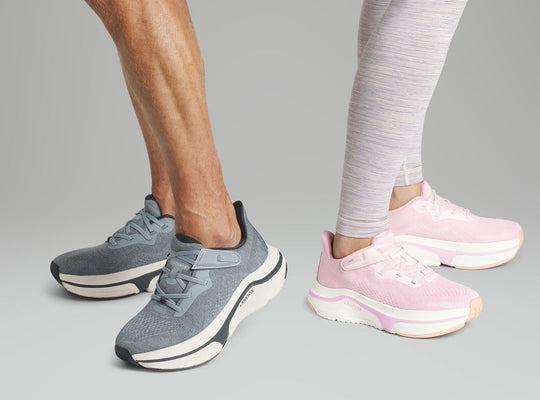
AFOs are most effective when paired with the right footwear. Medical or adaptive shoes provide:
- Extra depth for braces
- Firm soles for stability
- Adjustable closures for a secure fit
- Slip-resistant outsoles for safer walking
A proper shoe and AFO combination ensures alignment, improves walking efficiency, and reduces the risk of trips and falls.
Understanding different AFO types helps you make an informed choice that supports walking, balance, and independence. Whether you need a rigid, flexible, hinged, or custom AFO, the right brace paired with supportive footwear can make daily movement safer and more comfortable.
Find the right AFO and shoes to support your mobility at cadense.com. Explore adaptive footwear designed to work with braces, improve balance, and help you walk confidently every day.




![[color: black] Original Men's Adaptive Shoe](http://cadense.com/cdn/shop/files/Carousel_1.1_8d540b1a-8d50-4d65-a154-073d92a92343.jpg?crop=center&height=300&v=1782831569&width=300)
![[color: white] Original Women's Adaptive Shoe](http://cadense.com/cdn/shop/files/Carousel_1.1.jpg?crop=center&height=300&v=1782793357&width=300)


