At first glance, most sneakers look fairly similar. They may all appear comfortable, cushioned, and supportive enough for everyday use. But when it comes to aging adults, not all shoes are designed for the same needs.
The best walking shoes for seniors are built with stability, safety, and long-term comfort in mind. Regular sneakers may work well for casual wear, but they often lack the specific features older adults need to walk safely and confidently every day.
For families focused on prevention, understanding these differences can help reduce fall risk and support independence before mobility issues become more serious.
As people age, their feet and walking patterns naturally change.
Common age-related changes include:
- reduced balance and coordination
- foot pain or arthritis
- weaker muscles
- slower reaction time
- changes in posture and gait
Because of these changes, seniors need footwear that prioritizes stability and safety, not just style or athletic performance.
Many standard sneakers are designed for general casual wear, fashion, or sports performance.
While they may feel comfortable at first, they often lack features that help seniors walk safely over time.
Common problems with regular sneakers include:
- overly soft soles that reduce stability
- poor traction on smooth surfaces
- loose fit around the heel
- narrow toe boxes
- minimal support for balance issues
For seniors with mobility concerns, these details can make walking feel less secure.
Walking shoes designed for seniors focus on creating a safer, more supportive walking experience.
Here are the key differences.
1. Better Traction for Slip Prevention
One of the biggest differences is the outsole.
The best walking shoes for seniors typically include:
- slip-resistant rubber soles
- textured tread patterns
- improved grip for indoor and outdoor surfaces
This helps reduce slipping on:
- tile floors
- hardwood
- sidewalks
- wet surfaces
Traction is one of the most important factors in fall prevention.
2. More Stable Support
Senior walking shoes are designed to help stabilize the foot during movement.
They often feature:
- structured midsoles
- supportive heel counters
- wider bases for balance
This reduces side-to-side movement and helps seniors feel more grounded while walking.
3. Cushioning That Supports Movement
While many sneakers focus on soft cushioning, senior walking shoes balance comfort with structure.
Good cushioning should:
- absorb shock
- reduce pressure on joints
- support proper alignment
- avoid excessive softness that affects balance
The goal is comfort without sacrificing stability.
4. Secure Fit for Better Control
Loose-fitting shoes can increase instability and tripping risk.
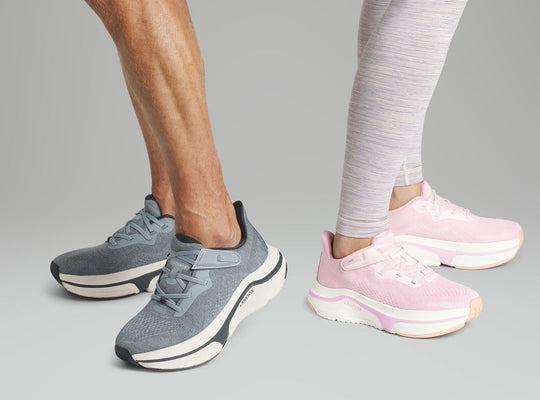
The best walking shoes for seniors often include:
- adjustable closures
- Velcro straps or secure laces
- snug heel support
A secure fit keeps the foot stable during movement and reduces unnecessary shifting inside the shoe.
5. Wide Toe Box for Comfort and Balance
Many seniors deal with:
- swelling
- bunions
- hammertoes
- sensitive feet
A wider toe box allows the toes to spread naturally, improving both comfort and stability during walking.
6. Lightweight Design to Reduce Fatigue
Heavy shoes can make walking more tiring, especially for seniors with balance issues.
Lightweight walking shoes help:
- reduce strain on the legs
- improve step control
- make movement feel easier
This encourages more daily activity and less hesitation while walking.
The small details in footwear can have a major impact on walking safety.
Proper walking shoes help seniors:
- move more confidently
- maintain better balance
- reduce foot fatigue
- improve walking stability
- lower the risk of slips and trips
For seniors already dealing with balance or mobility challenges, these improvements are especially important.
You may notice subtle changes that suggest regular sneakers are no longer enough.
Look for signs like:
- slower or hesitant walking
- frequent stumbling or near-falls
- complaints of foot pain
- worn-out shoe soles
- avoiding longer walks
- relying on furniture for support
These are indicators that better footwear could improve both comfort and safety.
When shopping for walking shoes, focus on:
- slip-resistant traction
- stable support
- secure fit
- lightweight comfort
- easy-to-use closures
- room for natural foot movement
The best shoes are the ones your parents feel comfortable wearing consistently every day.
Many families wait until after a fall to start thinking seriously about footwear.
But prevention works best before injuries happen.
Upgrading to supportive walking shoes early can help:
- improve confidence
- support safer habits
- maintain mobility
- preserve independence longer
Small proactive changes often make the biggest long-term difference.
The best walking shoes for seniors are different from regular sneakers because they are designed with stability, safety, and long-term comfort in mind. Features like better traction, structured support, and secure fit help seniors move more confidently and reduce fall risk during everyday activities.
For families focused on prevention, choosing the right walking shoes is one of the simplest ways to support safer movement and long-term independence.
Explore Cadense footwear at cadense.com to find walking shoes designed for stability, comfort, and safer mobility—helping your parents stay active and confident every day.




![[color: black] Original Men's Adaptive Shoe](http://cadense.com/cdn/shop/files/Carousel_1.1_8d540b1a-8d50-4d65-a154-073d92a92343.jpg?crop=center&height=300&v=1782831569&width=300)
![[color: white] Original Women's Adaptive Shoe](http://cadense.com/cdn/shop/files/Carousel_1.1.jpg?crop=center&height=300&v=1782793357&width=300)


