As parents get older, small changes in mobility often happen gradually. They may start walking more carefully, struggle to put on shoes, or avoid activities that used to feel easy. While these changes can seem minor at first, they often signal that regular footwear is no longer providing the comfort and support they need.
This is where adaptive shoes can make a meaningful difference. Designed to make walking safer and putting on shoes easier, adaptive footwear helps seniors maintain comfort, confidence, and independence as their mobility needs change.
Adaptive shoes are footwear designed to accommodate mobility challenges, foot conditions, or physical limitations that make traditional shoes harder to wear safely and comfortably.
Unlike regular shoes, adaptive shoes often include features such as:
- wide openings for easier entry
- Velcro or adjustable closures
- extra depth for swelling or orthotics
- slip-resistant soles
- lightweight but supportive construction
These features are designed to reduce strain and make daily movement safer and more manageable.
As seniors age, physical changes can affect how shoes fit and function.
Common changes include:
- swelling in the feet or ankles
- reduced flexibility
- weaker grip strength in the hands
- balance issues
- foot pain or sensitivity
- mobility limitations
Shoes that once felt comfortable may become difficult to put on or no longer provide enough support.
This often leads to unsafe habits like:
- wearing loose slippers
- leaving shoes untied
- avoiding shoes altogether indoors
Unfortunately, these habits can increase fall risk significantly.
The best time to switch to adaptive shoes is before mobility issues become severe. Early support helps maintain confidence and independence longer.
Here are some common signs to watch for.
Difficulty Putting Shoes On
If your parents struggle with:
- bending down
- tying laces
- squeezing feet into shoes
adaptive designs with wide openings and easy closures can help reduce frustration and improve safety.
Increased Balance or Stability Issues
If walking seems less steady, supportive adaptive shoes may help provide better traction and foot control.
Look for signs like:
- hesitation while walking
- shuffling steps
- holding onto furniture
- fear of falling
Swelling or Sensitive Feet
Conditions like arthritis, diabetes, or circulation issues can cause swelling or foot sensitivity.
Adaptive shoes often provide:
- adjustable fit
- softer interiors
- wider toe boxes
This reduces pressure and improves comfort during walking.
Reduced Activity Levels
Sometimes seniors avoid movement because shoes feel uncomfortable or difficult to wear.
You may notice:
- reluctance to leave the house
- avoiding walks
- taking shoes off frequently
- choosing slippers over supportive footwear
The right shoes can make movement feel easier again.
Use of Orthotics or Braces
Seniors using orthotics or AFO braces often need shoes with:
- extra depth
- removable insoles
- wider openings
Adaptive shoes are typically better suited for these needs than standard footwear.
Falls are one of the biggest threats to independence in older adults, and footwear plays a major role in stability.
Adaptive shoes help reduce fall risk by improving:
Traction
Slip-resistant soles help provide grip on:
- tile floors
- hardwood
- sidewalks
- wet surfaces
Stability
Structured support helps reduce wobbling and uneven movement.
Secure Fit
Adjustable closures help keep the foot stable inside the shoe instead of sliding around.
Confidence While Walking
When walking feels safer and more comfortable, seniors move more naturally and confidently.
This reduces hesitation, which can contribute to instability.
Many families wait until after a fall or injury to make footwear changes. But prevention works best before a serious issue happens.
Making the switch earlier can help:
- reduce strain during daily movement
- support safer walking habits
- maintain activity levels
- preserve confidence and independence
Small improvements in comfort and stability can have a big long-term impact.
When choosing adaptive shoes for your parents, focus on features that support both safety and usability.
Look for:
- lightweight design to reduce fatigue
- slip-resistant outsoles
- wide openings for easy entry
- secure Velcro or adjustable closures
- cushioned but supportive midsoles
- roomy toe box for comfort
The best adaptive shoes balance convenience with stability.
For many seniors, maintaining independence depends on feeling safe while moving around daily.
Adaptive shoes help support this by making walking:
- easier
- more stable
- less tiring
- more comfortable
This encourages seniors to stay active and continue handling daily routines with confidence.
Knowing when to consider adaptive shoes for your aging parents can make a major difference in their comfort, safety, and independence. Early signs like balance issues, difficulty putting on shoes, or reduced activity shouldn’t be ignored.
With the right footwear, seniors can move more confidently, reduce fall risk, and stay active longer.
Explore Cadense footwear at cadense.com to find adaptive-inspired shoes designed for stability, comfort, and safer walking—helping your parents stay independent every day.



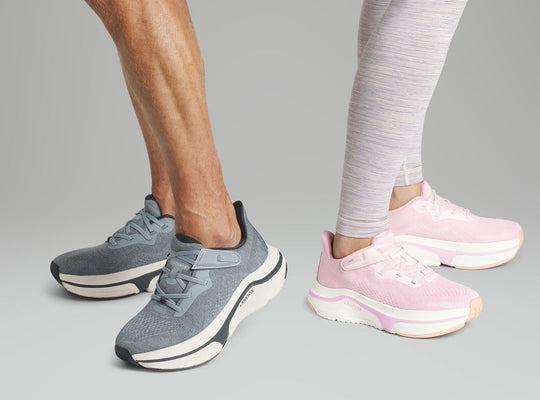

![[color: black] Original Men's Adaptive Shoe](http://cadense.com/cdn/shop/files/Carousel_1.1_8d540b1a-8d50-4d65-a154-073d92a92343.jpg?crop=center&height=300&v=1782831569&width=300)
![[color: white] Original Women's Adaptive Shoe](http://cadense.com/cdn/shop/files/Carousel_1.1.jpg?crop=center&height=300&v=1782793357&width=300)


