When it comes to physical therapy, most people focus on exercises, treatment plans, and recovery timelines. But what many don’t realize is that footwear plays a critical role in achieving lasting results. Kansas City physical therapists are increasingly emphasizing the importance of adaptive footwear — shoes designed to support stability, improve movement, and reduce the risk of accidents.
Whether someone is recovering from an injury, managing a neurological condition, or rebuilding balance and coordination, the right shoes can make physical therapy sessions more effective and daily life more comfortable.
If you’ve ever searched “physical therapy near me” in Kansas City, you’ve likely seen how many clinics highlight functional movement and gait retraining. But without footwear that complements these efforts, patients often struggle to maintain progress between appointments.
Adaptive footwear is more than a comfort upgrade — it’s a clinical tool that supports functional mobility. These shoes are engineered with specific features to help people walk more naturally and confidently, which aligns perfectly with physical therapy goals.
Here’s why many Kansas City physical therapists recommend them:
- Enhanced Stability for Safer Movement
Adaptive shoes often have wide, slip-resistant soles and supportive midsoles. This structure helps distribute weight evenly, improving stability during walking, standing, and balance exercises. It’s especially beneficial for patients who are relearning how to shift their weight after a stroke, surgery, or neurological condition.
- Improved Gait Mechanics
The right pair can encourage proper heel-to-toe movement. This is crucial for patients with gait abnormalities caused by conditions like drop foot, multiple sclerosis, or Parkinson’s disease. By complementing physical therapy work, adaptive footwear helps maintain gains outside the clinic.
- Easy Entry and Adjustability
Physical therapists often see patients with limited mobility in their hands or ankles. Adaptive shoes with wide openings, stretchable uppers, and hook-and-loop closures allow patients to dress independently — a key goal in rehabilitation.
- Pressure Relief and Comfort
Adaptive footwear is designed with cushioned insoles and minimal seams to prevent irritation or pressure points. This is especially helpful for people with sensory issues or foot weakness.
- Long-Term Support Beyond the Clinic The benefits of physical therapy extend into everyday life — and so should the support. Adaptive shoes make walking at home, shopping, or going for a short outdoor stroll easier and safer, helping patients stay active between therapy sessions.
To understand how adaptive footwear complements physical therapy, consider these real-world examples seen in Kansas City clinics:
- Stroke Recovery: A patient working to regain balance can pair their therapy exercises with adaptive shoes featuring firm heel counters and supportive arches. This helps them walk more evenly and reduces the fear of tripping.
- Parkinson’s Disease: For someone dealing with shuffling steps or stiffness, shoes with lightweight soles and flexible toe boxes promote smoother motion and greater comfort during mobility drills.
- Post-Orthopedic Surgery: A recovering knee or hip replacement patient benefits from cushioning and traction that reduces joint impact during supervised walks and home recovery routines.
Physical therapists often observe that when patients wear appropriate footwear, progress tends to accelerate. The combination of clinical guidance and supportive shoes allows for better posture, reduced fatigue, and more consistent movement patterns.
In Kansas City’s growing physical therapy community, clinicians recognize that recovery is about more than exercises — it’s about restoring independence. Adaptive footwear supports that goal by making movement safer and less exhausting.
Many therapists report that when patients switch to adaptive shoes, they notice:
- Improved endurance during sessions
- Reduced compensatory movements that can cause pain elsewhere
- Higher adherence to home exercise programs because walking feels easier
- Less anxiety around movement — which often leads to more engagement and faster progress
From a biomechanical standpoint, adaptive footwear helps create a stable foundation for each step, reinforcing the work done in balance and gait training.
Not all adaptive shoes are created equal. When Kansas City physical therapists recommend footwear, they typically look for the following features:
- Wide toe boxes for comfort and toe movement
- Firm heel support to maintain alignment
- Removable insoles for custom orthotics or AFO use
- Slip-resistant soles to help prevent accidents, trips, slips, and falls
- Lightweight design to reduce fatigue during longer walks
- Stretchable materials that adapt to swelling or muscle tightness
These design details make a big difference for patients rebuilding strength and coordination. Shoes that check these boxes allow physical therapy exercises to translate more effectively into everyday function.
Physical therapists often play a key role in helping patients rethink their footwear choices. While many people associate adaptive shoes with medical aesthetics, today’s options blend clinical support with a modern, wearable look.
Encouraging patients to invest in well-designed adaptive footwear isn’t just about comfort — it’s about maximizing therapy results and long-term independence.
For example, a Kansas City therapist might recommend adaptive shoes for a client struggling with foot drop. When the client pairs the right shoes with targeted therapy, walking becomes smoother and more confident, even outside clinic sessions.
Footwear isn’t just a finishing touch in physical therapy — it’s part of the treatment. Kansas City physical therapists understand that adaptive shoes help patients make the most of their sessions, stay mobile between appointments, and build the confidence to move freely again.
If you or your patients are searching physical therapy near me in Kansas City, consider pairing expert care with footwear designed to support every step of recovery.
Explore Cadense to discover adaptive shoes that move with you and Find a Cadense Coach near Kansas City →



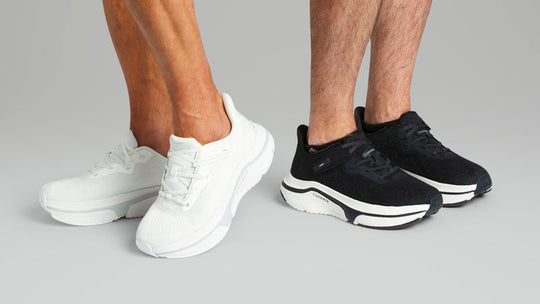

![[color: black] Original Men's Adaptive Shoe](http://cadense.com/cdn/shop/files/Mens-BLK-T1-LG.jpg?crop=center&height=300&v=1765338442&width=300)
![[color: all black] Original Men's Adaptive Shoe](http://cadense.com/cdn/shop/files/Mens-ABK-T1-LG_82064f93-26f4-4657-86f4-4ff74ac07a8e.jpg?crop=center&height=300&v=1770222387&width=300)
![[color: white] Original Women's Adaptive Shoe](http://cadense.com/cdn/shop/files/Womens-WHT-T1-LG.jpg?crop=center&height=300&v=1765381322&width=300)


