Foot drop makes it harder to lift the front of the foot, which can lead to dragging, tripping, and unsteady walking. For seniors and anyone with mobility challenges, this can make everyday movement feel less predictable. Foot drop often happens when the nerves or muscles that control ankle lifting are weakened or interrupted.
Physical therapy plays a major role in treatment because it helps retrain the muscles involved in lifting the foot, improves balance, and supports more stable steps. Exercises designed for foot drop can strengthen the ankle, improve range of motion, and help the body compensate for weakness in a safer way.
Therapists often combine targeted strengthening, functional movement practice, and balance training. These exercises help the foot clear the ground more easily, which helps reduce the risk of accidents, trips, slips and falls as you move through your day.
Many physical therapy routines for foot drop start with strengthening the muscles responsible for dorsiflexion — the movement that lifts the front of the foot.
Common therapist-recommended strengthening exercises may include:
- Ankle dorsiflexion with resistance: Using a therapy band to gently pull the foot upward while providing controlled resistance.
- Toe raises: Lifting the toes while keeping the heel planted, which activates foot-lifting muscles.
- Towel scrunches: Curling the toes to grip a towel on the floor to build smaller foot muscle strength.
- Seated ankle lifts: Practicing the lifting motion while sitting to reinforce the movement pattern without added weight.
These exercises help rebuild strength in the muscles that assist with toe clearance. When these muscles activate more effectively, walking becomes smoother and more controlled.
Strength alone isn’t enough. People with foot drop often struggle with the rhythm and timing of their steps, which can make the foot drag or catch on the ground.
Physical therapy mobility exercises help improve gait patterns by reinforcing smoother, more coordinated movements.
Therapists may include:
- Heel-to-toe walking practice to support better foot rollover.
- Marching drills to encourage controlled lifting of the leg and ankle.
- Supported treadmill walking to work on consistent step patterns at a comfortable pace.
- Weight-shifting exercises to help prepare the body for more stable steps.
Practicing these movements helps strengthen the mind-body connection and improve confidence when walking.
Foot drop affects more than the foot — it influences balance too. When one foot doesn’t lift fully, the body often compensates by leaning, shortening steps, or shuffling.
Physical therapists often introduce balance exercises such as:
- Single-leg standing with support: Practicing weight-bearing to improve stability.
- Side stepping: Strengthens lateral muscles needed for stability in real-world environments.
- Backward walking drills: Helps the body respond to unfamiliar movement patterns.
- Standing hip strengthening: Supports steadier, more controlled steps.
Improving balance is essential because it helps reduce the chances of missteps that can lead to trips or slips.
Tight muscles can make foot drop symptoms feel worse. For example, when the calf muscles tighten, the foot becomes harder to lift, which increases the chance of toe dragging.
Physical therapists may teach:
- Calf stretches to improve ankle mobility.
- Hamstring stretches to support smoother leg movement.
- Ankle mobility circles to keep joints moving comfortably.
Gentle stretching prepares the muscles for better lifting control and helps support a more fluid gait.
Seniors managing foot drop should approach exercises with care so they can strengthen their bodies without added strain.
Here are a few tips physical therapists often share:
- Use support when needed — a wall, chair, or countertop can make exercises safer.
- Move slowly and intentionally to improve control.
- Stop exercises that cause sharp pain and notify a healthcare professional.
- Consistency matters more than intensity — small improvements over time build stability.
These guidelines help make exercise more effective and safer for daily mobility.
Exercises are essential, but footwear also affects how confidently and comfortably someone with foot drop can move through daily tasks. Shoes that don't fit well, feel too stiff, or limit foot motion can make it harder to apply what you gain from therapy.
Many people with foot drop look for footwear that offers:
- A wide toe box to prevent pressure on the front of the foot.
- Lightweight, flexible soles that support a more natural stride.
- A supportive, comfortable fit that helps the feet stay steady without restricting motion.
- Easy on/off design to reduce fatigue and encourage independent mobility.
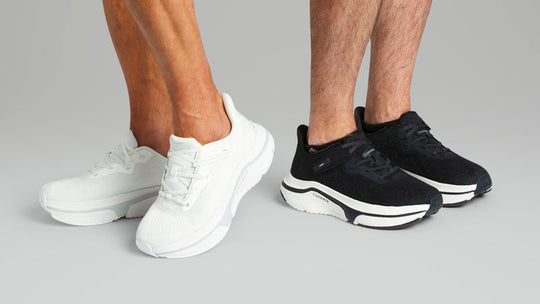
Cadense adaptive shoes are designed with these needs in mind, making walking feel more secure and helping support the progress made in physical therapy.
If you or someone you care for begins to notice foot dragging, difficulty lifting the toes, or unsteady walking, seeking an evaluation is important. A physical therapist can determine whether foot drop is present, identify potential causes, and create a personalized treatment plan.
Early attention helps prevent symptoms from becoming more limiting and allows treatment to begin when it can be most effective. A combination of targeted exercises, balance training, and supportive footwear creates a strong foundation for more confident movement.
Foot drop treatment physical therapy exercises can make a meaningful difference in strength, balance, and daily mobility. Pairing those exercises with footwear that supports stability helps make each step feel more comfortable and predictable.
If you're looking for supportive footwear designed with mobility challenges in mind, explore Cadense adaptive shoes at cadense.com to find a pair that fits your needs.




![[color: black] Original Men's Adaptive Shoe](http://cadense.com/cdn/shop/files/Carousel_1.1_8d540b1a-8d50-4d65-a154-073d92a92343.jpg?crop=center&height=300&v=1782831569&width=300)
![[color: white] Original Women's Adaptive Shoe](http://cadense.com/cdn/shop/files/Carousel_1.1.jpg?crop=center&height=300&v=1782793357&width=300)


