Foot drop makes it hard to lift the front of your foot while walking. You may notice your toes catching the ground or find yourself taking higher “steppage” steps to avoid tripping. When this happens, the goal of treatment isn’t just strength. It’s restoring safer, smoother movement using the right combination of therapy, support, and footwear.
Understanding what helps—and what doesn’t—makes a big difference in walking confidence.
This guide covers how physical therapy, bracing, and adaptive shoes work together to support better mobility.
Foot drop usually comes from weakness or nerve issues involving the muscles that lift the foot. The peroneal nerve is often involved, but conditions like neuropathy, stroke, MS, or spinal problems can also contribute.
These issues can lead to:
- Trouble lifting the toes
- Tripping over rugs or uneven surfaces
- Feeling unsteady during daily walking
- Needing to lift the leg higher to clear the ground
Because foot drop affects gait mechanics, supportive treatment is essential to help prevent trips, slips, and falls.
If you’re unsure what’s causing your symptoms, a physical therapist or healthcare provider can help identify the source.
Exercises don’t replace medical care, but they can assist in rebuilding strength and improving control. Physical therapists often start with small, focused movements before progressing to more active work.
Common exercises used in foot drop treatment include:
1. Toe Raises (Dorsiflexion Training)
Helps activate the muscles that lift the front of the foot.
2. Ankle Eversion Strengthening
Supports balance and helps the foot clear the ground more smoothly.
3. Ankle Circles
Improves joint mobility and encourages a better range of motion.
4. Resistance Band Work
Strengthens ankle muscles in multiple directions for better stability.
5. Seated Marching
Supports leg coordination and builds confidence in early movement stages.
6. Step-Up Drills
Once safe, these exercises improve forward momentum and daily walking transitions.
These exercises may feel small, but over time, they help improve foot clearance, balance, and stride consistency.
A brace—often an AFO (ankle-foot orthosis)—can help hold your foot in a lifted position during walking. Physical therapists may recommend one when:
- The foot drags frequently
- There is significant nerve weakness
- You’re recovering from a neurological event
- You need extra stability outdoors or on uneven surfaces
How bracing helps:
- Keeps the toes from catching the ground
- Improves balance during each step
- Supports smoother heel-to-toe movement
- Helps reduce the risk of accidents caused by foot drag
Some people use an AFO long-term, while others use it only during recovery. Your therapist can help determine what’s right for you.
While shoes don’t “fix” foot drop, the right footwear supports safer movement while you’re healing. For many people, this is one of the most important parts of daily mobility.
Cadense adaptive shoes are designed specifically for people with mobility challenges, including foot drop.
Supportive shoe features that help include:
A wider, more stable base
Improves balance and keeps the foot steady during walking.
Lightweight, flexible soles
Make lifting the foot easier and encourage natural movement.
Rocker-style motion
Helps the foot roll forward, reducing the effort required to clear the toes.
Secure but pressure-free fit
Supports the ankle without creating discomfort or restricting circulation.
AFO compatibility
Cadense shoes open wide and adapt easily, making them AFO-friendly.
Together, these features help support smoother walking patterns while reducing the chance of catching a toe or feeling unstable.
Treating foot drop usually isn’t about one solution. It’s about layering support:
A combined approach may look like:
- Daily therapy exercises to strengthen weak muscles
- Bracing when needed to keep the foot lifted and reduce accidents
- Adaptive footwear to stabilize every step
- Gait training from a physical therapist to rebuild healthy patterns
This approach supports both short-term safety and long-term improvement.
As strength returns or nerve issues improve, your walking pattern may become smoother and more consistent.
As you follow a treatment plan, you may notice:
- Better control when lifting the toes
- Fewer moments when the foot drags
- Improved clearance during walking
- More stability on uneven surfaces
- Less fatigue after short distances
Progress can be slow, especially when nerve recovery is involved, but even small improvements matter. Physical therapists often track these early gains to adjust your plan.
It’s important to speak with a healthcare provider or physical therapist if you notice:
- New or worsening foot drag
- Unexplained weakness
- Changes in balance
- Increased tripping or slipping during walking
Early evaluation helps you understand what’s causing the issue and which treatments may help.
Foot drop can feel overwhelming at first, but there are many ways to support better movement. With the right exercises, bracing when needed, and footwear that’s made for mobility challenges, many people feel more stable and confident.
Cadense adaptive shoes are designed to make each step safer, smoother, and more comfortable—especially for those dealing with neurological or mobility changes.
Explore Cadense to find supportive footwear designed for mobility challenges and safer walking.



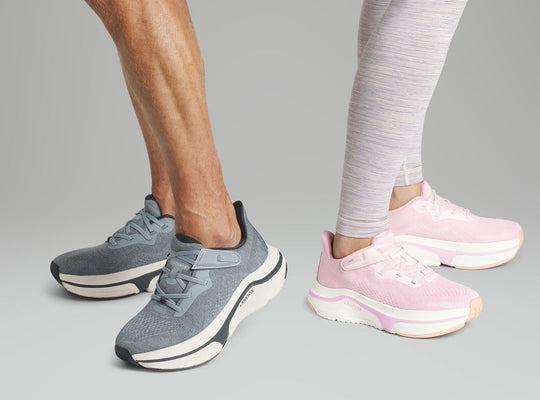

![[color: black] Original Men's Adaptive Shoe](http://cadense.com/cdn/shop/files/Carousel_1.1_8d540b1a-8d50-4d65-a154-073d92a92343.jpg?crop=center&height=300&v=1782831569&width=300)
![[color: white] Original Women's Adaptive Shoe](http://cadense.com/cdn/shop/files/Carousel_1.1.jpg?crop=center&height=300&v=1782793357&width=300)


