Bilateral foot drop is a condition that affects both feet, making it difficult to lift the front part of the foot while walking. Unlike a single-foot foot drop, which can result from localized nerve injury, bilateral foot drop often signals a more systemic or neurological issue.
This condition can make walking challenging, increase the risk of trips and falls, and affect overall mobility. Understanding the causes of bilateral foot drop helps individuals and healthcare providers develop strategies for safer daily movement.
Bilateral foot drop occurs when the muscles responsible for lifting the front of the foot are weak or paralyzed in both legs. This can result from:
- Nerve damage affecting both legs
- Neurological disorders
- Muscle or spinal issues
People with bilateral foot drop may drag their toes while walking, experience changes in gait, and feel fatigued more quickly. Unlike single-foot foot drop, both legs are affected, which can significantly reduce balance and mobility.
Bilateral foot drop can have multiple underlying causes, including:
1. Neurological Disorders
Conditions like multiple sclerosis (MS) or amyotrophic lateral sclerosis (ALS) can affect the nerves controlling the lower legs, leading to weakness or paralysis.
2. Spinal Cord Injuries
Compression, trauma, or degenerative conditions in the spinal cord can interrupt nerve signals to the muscles responsible for dorsiflexion (lifting the foot).
3. Peripheral Neuropathy
Diseases such as diabetes or certain autoimmune disorders can damage peripheral nerves in both legs, resulting in bilateral foot drop.
4. Inherited or Rare Muscle Disorders
Some genetic conditions affect muscle strength or nerve communication, making foot drop more likely to appear in both feet.
5. Medication or Toxin Effects
Certain medications, especially those affecting nerve or muscle function, can occasionally contribute to bilateral weakness in the lower legs.
Walking with bilateral foot drop presents unique challenges:
- Toe Dragging: Increases risk of trips and falls.
- Altered Gait: People often lift their knees higher or swing the leg outward to compensate.
- Fatigue: Extra effort is required for each step, leading to faster exhaustion.
- Balance Issues: With both feet affected, stability is reduced, and even minor obstacles can be hazardous.
These difficulties can limit independence and make daily activities like grocery shopping, climbing stairs, or navigating uneven surfaces more challenging.
While the underlying cause must be diagnosed by a healthcare professional, several strategies can help improve mobility and reduce risk:
- Physical Therapy: Strengthening exercises and gait training help improve control and efficiency.
- AFO Braces: Ankle-foot orthoses support foot lift and proper alignment.
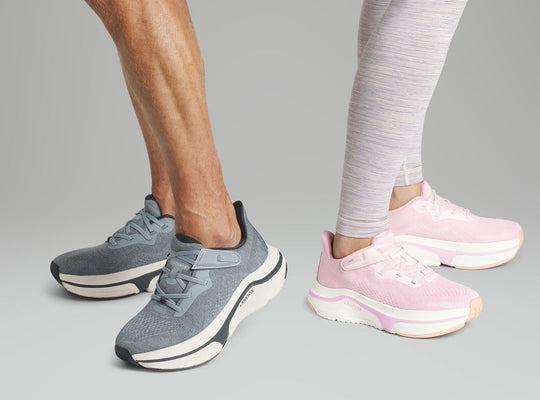
- Adaptive Footwear: Medical or adaptive shoes work with braces to improve stability and reduce fatigue.
- Lifestyle Adjustments: Using handrails, removing trip hazards, and pacing walking can help maintain independence.
Early intervention is key. Identifying the cause and combining medical treatment with supportive devices can make a noticeable difference in mobility and safety.
If bilateral foot drop is suspected, consulting a neurologist, physical therapist, or orthotist is important. They can:
- Evaluate nerve function and muscle strength
- Recommend the right type of brace or orthotic
- Design a therapy program tailored to individual mobility needs
- Monitor progress and adjust devices as needed
This professional guidance ensures both safety and maximum functional mobility.
Bilateral foot drop happens when weakness or nerve damage affects both feet, leading to challenges with balance, gait, and daily mobility. Understanding the cause and combining therapy, braces, and adaptive footwear can help maintain independence and reduce the risk of falls.
Explore Cadense adaptive footwear at cadense.com to find shoes designed to support braces, improve stability, and help you walk confidently every day, even with bilateral foot drop.




![[color: black] Original Men's Adaptive Shoe](http://cadense.com/cdn/shop/files/Carousel_1.1_8d540b1a-8d50-4d65-a154-073d92a92343.jpg?crop=center&height=300&v=1782831569&width=300)
![[color: slate] Original Men's Adaptive Shoe](http://cadense.com/cdn/shop/files/Carousel_1.1_043cbf10-de36-46d8-b61b-4e0cdd585dac.jpg?crop=center&height=300&v=1782831815&width=300)
![[color: white] Original Women's Adaptive Shoe](http://cadense.com/cdn/shop/files/Carousel_1.1.jpg?crop=center&height=300&v=1782793357&width=300)


