If you’re helping your parents stay safe and independent as they get older, footwear is one of the most important places to start. Many families focus on grab bars, better lighting, or removing rugs, but the shoes your parents wear every day can make just as much of a difference.
That’s where adaptive shoes come in.
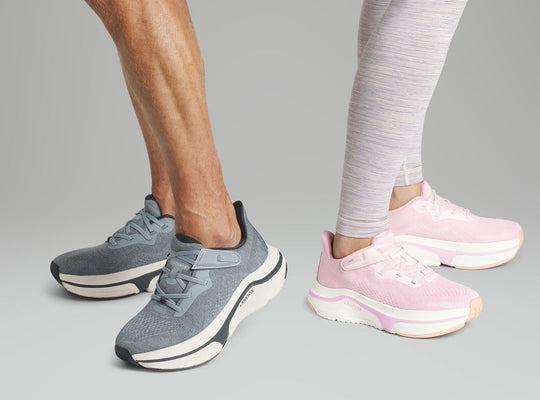
If you’ve been asking, what are adaptive shoes, the short answer is this: they are shoes specifically designed to make walking easier, safer, and more comfortable for people with mobility, balance, or foot-related challenges. For seniors, that often means better stability, less pain, and a lower risk of falls.
Let’s break down what makes them different and why they matter.
Adaptive shoes are footwear designed with accessibility, comfort, and safety in mind. Unlike regular shoes that are made for the general population, adaptive shoes are built to address specific needs that often come with aging.
These shoes may include features that help seniors who experience:
- balance issues
- foot pain
- swelling
- arthritis
- limited hand strength
- reduced mobility
- foot drop or brace use
The goal is simple: make shoes easier to wear while improving safety and comfort during daily movement.
For many older adults, adaptive shoes can be the difference between feeling unsteady and walking with confidence.
At first glance, adaptive shoes may look similar to everyday footwear, but the design details make a major difference.
Easy Closures
One of the most common features is Velcro straps, hook-and-loop fasteners, or easy-entry openings.
This helps seniors who struggle with:
- tying laces
- bending down
- arthritis in the hands
- reduced finger strength
Instead of fighting with standard shoes, they can easily secure their footwear in seconds.
Wider Toe Box
Adaptive shoes usually offer more room in the front of the shoe.
This is especially helpful for seniors with:
- bunions
- swelling
- hammertoes
- general foot sensitivity
Extra space reduces pressure and improves comfort during long periods of wear.
Slip-Resistant Soles
One of the most important safety features is better traction.
Adaptive shoes often include non-slip rubber soles with grip patterns that help reduce slipping on:
- hardwood floors
- tile
- outdoor pavement
- wet surfaces
This makes them especially useful for fall prevention.
Extra Depth and Orthotic Compatibility
Many seniors wear custom inserts, orthotics, or braces.
Adaptive shoes are often designed with removable insoles and extra internal depth, making them easier to pair with:
- orthotics
- custom insoles
- AFO braces
- foot drop supports
This improves both comfort and stability.
The biggest reason families choose adaptive shoes is safety.
Falls are one of the leading causes of injury in older adults. Even one fall can lead to:
- fractures
- hospital visits
- reduced mobility
- fear of walking
- loss of independence
Adaptive shoes help lower this risk in several ways.
Better Stability
A structured sole and firm heel support help keep the foot aligned properly.
This reduces wobbling and improves overall balance while walking. Seniors who feel more stable are less likely to trip or lose confidence while moving around.
Reduced Slipping
Traction is critical for fall prevention.
Anti-slip soles help seniors move more safely around the house and outdoors, especially on smooth surfaces where regular shoes may not grip well.
Improved Comfort Means More Movement
Pain often causes seniors to move less. Unfortunately, less movement can lead to weaker muscles and even more fall risk.
Adaptive shoes help reduce pain and discomfort, making it easier to stay active.
More movement helps preserve:
- leg strength
- balance
- coordination
- confidence
Adaptive shoes are especially helpful for seniors who:
- have experienced a recent fall or near-fall
- complain about foot pain
- wear shoes that are hard to put on
- have swelling or bunions
- use braces or orthotics
- feel unsteady while walking
Even if your parents are still fairly active, switching early can be a proactive step in preventing future issues.
This aligns perfectly with the prevention market Cadense is moving into: helping adult children make smart choices before an injury happens.
When shopping for your parents, focus on:
- secure closures
- non-slip soles
- supportive cushioning
- wide toe box
- compatibility with orthotics or braces
- lightweight feel
Comfort matters just as much as safety because the best shoes are the ones they’ll actually wear every day.
For many families, adaptive shoes are not just about solving a current issue. They’re about preventing future falls and maintaining independence.
The right shoes can help your parents:
- walk more confidently
- stay active longer
- reduce fall risk
- maintain independence at home and outdoors
That makes them one of the simplest and smartest investments in senior safety.
If you’ve been wondering what adaptive shoes are, think of them as footwear designed to support safer, easier movement as your parents age. With features like non-slip soles, easy closures, and better support, they help reduce fall risk while improving everyday comfort.
For adult children looking to proactively protect their parents, adaptive shoes are one of the easiest places to start.
Explore Cadense footwear at cadense.com to find adaptive shoes designed for stability, comfort, and safer walking so your parents can stay independent and confident every day.



![[color: all black] Adaptive AFO Shoe](http://cadense.com/cdn/shop/files/AFO_ALL_BLACK_01.jpg?crop=center&height=300&v=1771260700&width=300)
![[color: black] AERIO Men's Sandal-Slide Hybrid](http://cadense.com/cdn/shop/files/AERIO_BLACK_T1_17bf8e85-e048-43b3-acba-51e96397c13b.jpg?crop=center&height=300&v=1762451737&width=300)
![[color: white] AERIO Women's Sandal-Slide Hybrid](http://cadense.com/cdn/shop/files/AERIO_WHITE_T1.jpg?crop=center&height=300&v=1762451738&width=300)
![[color: black] Original Men's Adaptive Shoe](http://cadense.com/cdn/shop/files/Carousel_1.1_8d540b1a-8d50-4d65-a154-073d92a92343.jpg?crop=center&height=300&v=1782831569&width=300)
![[color: white] Original Women's Adaptive Shoe](http://cadense.com/cdn/shop/files/Carousel_1.1.jpg?crop=center&height=300&v=1782793357&width=300)