Not all shoes are created with safety in mind. The best shoes for seniors dealing with balance or mobility issues include features that directly support stability and control.
1. Slip-Resistant Soles
Traction is critical. Shoes with rubber outsoles and patterned tread help grip the ground, reducing the risk of slipping on smooth floors or wet surfaces.
For seniors who may already feel unsteady, this added grip can prevent sudden slips that lead to falls.
2. A Stable Base
A wider, more stable sole creates a solid foundation for walking. Shoes that are too narrow or overly flexible can increase wobbling and make it harder to maintain balance.
Look for shoes with a firm structure that supports the foot evenly.
3. Secure Fit
Shoes that fit securely keep the foot in place and prevent sliding inside the shoe. This is especially important for seniors with mobility challenges, as even small shifts can affect balance.
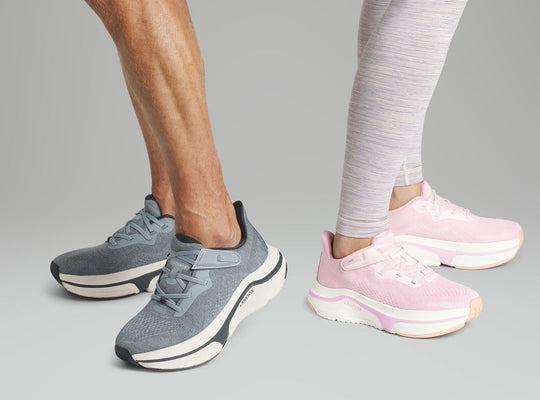
Velcro straps, adjustable laces, or other closures help create a snug, comfortable fit.
4. Proper Cushioning
Cushioning absorbs impact and reduces stress on the joints. This is particularly helpful for seniors who experience pain or fatigue while walking.
Well-cushioned shoes allow for smoother steps and make it easier to stay active throughout the day.
5. Supportive Structure
Shoes with good arch support and a firm heel counter help keep the foot aligned. Proper alignment improves posture and reduces strain on the knees and hips, contributing to better balance.
6. Roomy Toe Box
A wider toe box allows the toes to move naturally and prevents pressure points. This is especially important for seniors with bunions, swelling, or other foot conditions.
Comfort plays a big role in whether your parents will consistently wear the shoes you choose.



![[color: all black] Adaptive AFO Shoe](http://cadense.com/cdn/shop/files/AFO_ALL_BLACK_01.jpg?crop=center&height=300&v=1771260700&width=300)
![[color: black] AERIO Men's Sandal-Slide Hybrid](http://cadense.com/cdn/shop/files/AERIO_BLACK_T1_17bf8e85-e048-43b3-acba-51e96397c13b.jpg?crop=center&height=300&v=1762451737&width=300)
![[color: pebble gray] AERIO Men's Sandal-Slide Hybrid](http://cadense.com/cdn/shop/files/AERIO-Grey-T1_7c266bea-a75f-471f-bbd6-40828952e100.jpg?crop=center&height=300&v=1745355102&width=300)
![[color: white] AERIO Women's Sandal-Slide Hybrid](http://cadense.com/cdn/shop/files/AERIO_WHITE_T1.jpg?crop=center&height=300&v=1762451738&width=300)
![[color: black] Original Men's Adaptive Shoe](http://cadense.com/cdn/shop/files/Carousel_1.1_8d540b1a-8d50-4d65-a154-073d92a92343.jpg?crop=center&height=300&v=1782831569&width=300)
![[color: slate] Original Men's Adaptive Shoe](http://cadense.com/cdn/shop/files/Carousel_1.1_043cbf10-de36-46d8-b61b-4e0cdd585dac.jpg?crop=center&height=300&v=1782831815&width=300)
![[color: white] Original Women's Adaptive Shoe](http://cadense.com/cdn/shop/files/Carousel_1.1.jpg?crop=center&height=300&v=1782793357&width=300)