As parents get older, one of the first subtle changes many families notice is hesitation while walking. Steps become slower, movements more cautious, and confidence starts to fade. What used to feel automatic now requires more attention.
A confident walk is not just about moving from one place to another. It’s about feeling steady, secure, and in control with every step. When that confidence drops, the risk of falls increases, and daily independence can start to slip away.
The good news is that a confident walk can be improved. With the right combination of support, habits, and environment, seniors can regain stability and move more safely every day.
Walking confidence doesn’t disappear overnight. It usually fades gradually due to a combination of physical and environmental factors.
Common causes include:
- reduced muscle strength
- joint stiffness or pain
- slower reaction time
- balance changes
- foot discomfort
- fear of falling after a near-miss
These changes affect how the body responds during movement. When stability feels uncertain, seniors naturally become more cautious, which can further impact balance.
Confidence and safety are closely connected.
When seniors feel unsure on their feet, they tend to:
- take shorter, uneven steps
- walk more slowly
- avoid certain surfaces or movements
- rely on furniture for support
These adjustments can actually increase the risk of falling. A hesitant walking pattern often leads to instability.
On the other hand, when walking feels secure, movement becomes smoother and more controlled.
Improving walking confidence starts with addressing the factors that affect balance and stability.
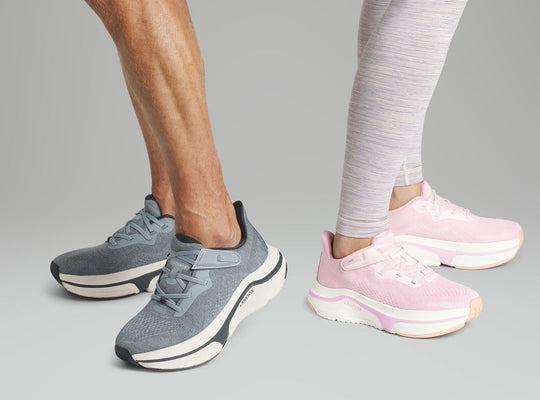
1. Supportive and Stable Footwear
Footwear plays a major role in how stable each step feels.
Shoes that improve confidence typically include:
- slip-resistant soles for better traction
- firm heel support for stability
- cushioned midsoles for comfort
- secure closures like Velcro or laces
- wide toe box for natural movement
The right shoes provide a solid foundation, helping seniors feel more grounded as they walk.
2. Strength and Balance Exercises
Muscle strength and coordination are key to stability.
Simple exercises can help improve:
- leg strength
- ankle stability
- posture
- reaction time
Examples include:
- heel raises
- seated leg lifts
- gentle balance exercises
- short, controlled walks
Consistency is more important than intensity. Even a few minutes daily can make a difference.
3. Safe and Predictable Environment
The walking environment has a direct impact on confidence.
At home, small adjustments can make movement easier and safer:
- remove loose rugs
- keep walkways clear
- improve lighting
- add grab bars where needed
- use non-slip mats in high-risk areas
A predictable environment reduces surprises that can lead to slips or hesitation.
4. Addressing Foot Pain Early
Pain changes the way people walk.
If your parents are dealing with discomfort, they may:
- shift weight unevenly
- avoid putting pressure on certain areas
- walk more cautiously
Addressing foot pain through better footwear or simple exercises can restore a more natural walking pattern.
5. Encouraging Daily Movement
Confidence grows with practice.
Regular movement helps maintain:
- muscle strength
- flexibility
- coordination
- balance
Encourage your parents to stay active with:
- short walks
- light stretching
- simple daily routines
The more consistently they move, the more natural and confident walking becomes.
You may notice early warning signs that confidence is declining.
Look for:
- hesitation when starting to walk
- holding onto furniture or walls
- shorter, shuffling steps
- avoiding stairs or uneven ground
- reluctance to go outside
- increased fear of falling
These signs often appear before a fall happens, making them important to address early.
Among all the factors that affect walking confidence, footwear is one of the simplest to improve quickly.
Supportive shoes can:
- increase traction immediately
- improve balance with better structure
- reduce discomfort
- provide a more stable walking experience
For many seniors, this alone can make a noticeable difference in how secure they feel.
A confident walk doesn’t return overnight, but small improvements add up.
By combining:
- better footwear
- safe surroundings
- consistent movement
- early attention to discomfort
Seniors can gradually rebuild stability and trust in their movement.
The goal is not perfection, but steady progress toward safer, more confident walking.
A confident walk is one of the most important factors in maintaining independence as parents age. When seniors feel stable and secure, they are more likely to stay active, move freely, and avoid the fear that often leads to reduced mobility.
By focusing on supportive footwear, simple daily habits, and a safer environment, you can help your parents reduce fall risk and regain confidence with every step.
Explore Cadense footwear at cadense.com to find shoes designed for stability, comfort, and safer walking—helping your parents move confidently and independently every day.



![[color: all black] Adaptive AFO Shoe](http://cadense.com/cdn/shop/files/AFO_ALL_BLACK_01.jpg?crop=center&height=300&v=1771260700&width=300)
![[color: black] AERIO Men's Sandal-Slide Hybrid](http://cadense.com/cdn/shop/files/AERIO_BLACK_T1_17bf8e85-e048-43b3-acba-51e96397c13b.jpg?crop=center&height=300&v=1762451737&width=300)
![[color: white] AERIO Women's Sandal-Slide Hybrid](http://cadense.com/cdn/shop/files/AERIO_WHITE_T1.jpg?crop=center&height=300&v=1762451738&width=300)
![[color: black] Original Men's Adaptive Shoe](http://cadense.com/cdn/shop/files/Carousel_1.1_8d540b1a-8d50-4d65-a154-073d92a92343.jpg?crop=center&height=300&v=1782831569&width=300)
![[color: white] Original Women's Adaptive Shoe](http://cadense.com/cdn/shop/files/Carousel_1.1.jpg?crop=center&height=300&v=1782793357&width=300)