As parents get older, one of the most important things adult children start paying attention to is safety during everyday movement. Walking around the house, stepping outside, or running errands can become more challenging when balance, strength, or foot comfort starts to decline.
One of the simplest and most effective ways to reduce risk is through footwear. Choosing the best shoes to prevent falls is not just about comfort or style—it’s about helping your parents stay steady, confident, and independent in their daily life.
Falls are one of the most common causes of injury in older adults, and many of them are preventable. While environmental factors like clutter or poor lighting play a role, footwear is often a hidden contributor.
Shoes that are worn out, too loose, or lacking support can affect how your parents walk by:
- reducing balance
- changing posture
- increasing foot fatigue
- making surfaces feel less stable
When stability decreases, even small missteps can lead to a fall.
Not all comfortable shoes are safe shoes. The best fall-prevention footwear combines comfort with specific safety features that support stable movement.
1. Slip-Resistant Outsoles
The most important feature is grip.
Look for shoes with:
- rubber soles
- textured tread patterns
- strong surface traction
This helps reduce slipping on tile, wood floors, pavement, and wet surfaces.
2. Stable and Supportive Base
A wider, structured sole helps keep the foot grounded.
This improves balance by reducing side-to-side movement and giving each step a more secure foundation.
3. Secure Fit That Doesn’t Move Around
Shoes should hold the foot firmly without being tight.
Helpful features include:
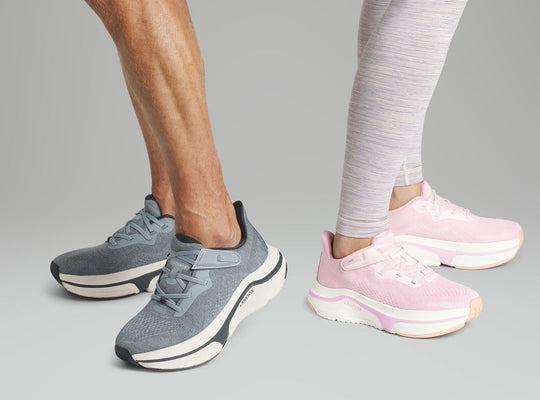
- Velcro straps
- adjustable laces
- snug heel support
A secure fit prevents the foot from sliding inside the shoe, which can cause instability.
4. Cushioning for Comfort and Impact Protection
Comfort directly affects how someone walks.
Good cushioning helps:
- reduce pressure on joints
- absorb shock from walking
- prevent fatigue during longer movement
When walking feels easier, seniors are more likely to stay active.
5. Wide Toe Box for Natural Movement
A narrow toe box can create pressure and discomfort, which changes walking patterns.
A wider toe box helps:
- accommodate swelling
- reduce friction
- allow natural toe movement
This supports a more stable and balanced gait.
There is no single “best shoe” for everyone. The right choice depends on your parents’ specific situation.
If They Have Balance Issues
Focus on:
- maximum traction
- structured soles
- firm heel support
If They Have Foot Pain
Look for:
- extra cushioning
- arch support
- pressure relief design
If They Have Mobility Limitations
Prioritize:
- easy closures (Velcro or slip-on designs)
- lightweight construction
- stable but flexible soles
If They Use Orthotics or Braces
Make sure the shoes offer:
- removable insoles
- extra depth
- wide fit options
Even well-meaning choices can create problems if safety features are missing.
Avoid:
- worn-out soles with no grip left
- soft slippers with no structure
- overly loose shoes
- fashion-first shoes without support
- flat shoes with no cushioning
These types of footwear may feel comfortable at first but can reduce stability over time.
You may not always notice the need for new shoes right away. Watch for:
- visible wear on the soles
- complaints of foot pain after walking
- slower or more cautious walking
- frequent stumbling or near-falls
- reluctance to walk longer distances
These are early indicators that footwear may no longer be supporting safe movement.
Footwear plays a direct role in whether seniors feel confident moving around on their own.
When shoes provide stability and comfort, your parents are more likely to:
- walk independently
- stay active daily
- go outside without fear
- maintain routines without assistance
Better shoes don’t just reduce fall risk—they help preserve independence.
For many families, upgrading shoes is one of the easiest and most effective fall-prevention steps.
It’s a small change that can:
- improve balance immediately
- reduce daily discomfort
- prevent future injuries
- increase confidence in movement
When combined with other safety improvements at home, the impact is even greater.
Choosing the best shoes to prevent falls for your parents is one of the most practical ways to support their safety and independence. The right footwear improves stability, reduces strain, and helps them move more confidently in everyday life.
For adult children focused on prevention, this is a simple but powerful step that can make a real difference long before a fall ever happens.
Explore Cadense footwear at cadense.com to find supportive, stable shoes designed for safer walking—helping your parents stay independent, confident, and active every day.



![[color: all black] Adaptive AFO Shoe](http://cadense.com/cdn/shop/files/AFO_ALL_BLACK_01.jpg?crop=center&height=300&v=1771260700&width=300)
![[color: black] AERIO Men's Sandal-Slide Hybrid](http://cadense.com/cdn/shop/files/AERIO_BLACK_T1_17bf8e85-e048-43b3-acba-51e96397c13b.jpg?crop=center&height=300&v=1762451737&width=300)
![[color: pebble gray] AERIO Men's Sandal-Slide Hybrid](http://cadense.com/cdn/shop/files/AERIO-Grey-T1_7c266bea-a75f-471f-bbd6-40828952e100.jpg?crop=center&height=300&v=1745355102&width=300)
![[color: white] AERIO Women's Sandal-Slide Hybrid](http://cadense.com/cdn/shop/files/AERIO_WHITE_T1.jpg?crop=center&height=300&v=1762451738&width=300)
![[color: black] Original Men's Adaptive Shoe](http://cadense.com/cdn/shop/files/Carousel_1.1_8d540b1a-8d50-4d65-a154-073d92a92343.jpg?crop=center&height=300&v=1782831569&width=300)
![[color: slate] Original Men's Adaptive Shoe](http://cadense.com/cdn/shop/files/Carousel_1.1_043cbf10-de36-46d8-b61b-4e0cdd585dac.jpg?crop=center&height=300&v=1782831815&width=300)
![[color: white] Original Women's Adaptive Shoe](http://cadense.com/cdn/shop/files/Carousel_1.1.jpg?crop=center&height=300&v=1782793357&width=300)