Walking safely can be a challenge for anyone using an ankle-foot orthosis (AFO). Foot drop, muscle weakness, or nerve conditions can make lifting the front of the foot difficult, leading to trips, fatigue, and strain on the ankles, knees, and hips. While regular shoes may seem sufficient, they often fail to provide the support, fit, and stability needed to walk safely with an AFO. Proper AFO shoes are specifically designed to meet these needs, improving balance, comfort, and confidence in daily mobility.
For individuals using braces, the right footwear can transform walking from a tiring, stressful activity into a safer, more natural experience. Investing in proper AFO shoes helps prevent falls, reduces discomfort, and supports overall independence.
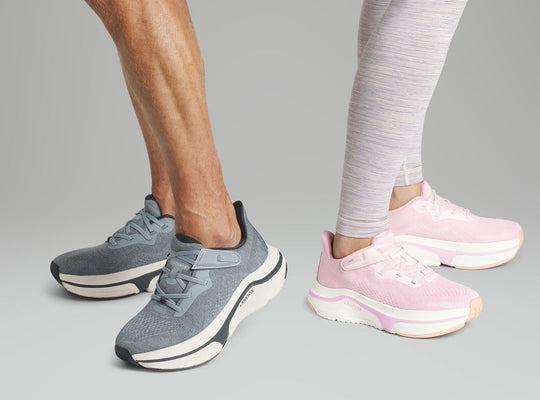
AFO shoes are designed to work with braces rather than against them. Key differences from standard shoes include:
- Extra Depth and Wide Toe Box: Ensures the brace fits comfortably without compressing the foot.
- Adjustable Closures: Laces, Velcro, or straps secure both the foot and AFO in place.
- Supportive Insoles and Arch Support: Maintain proper alignment and reduce strain on joints and muscles.
- Cushioned, Lightweight Soles: Absorb shock and reduce fatigue while allowing natural movement.
- Slip-Resistant Outsoles: Provide traction on indoor and outdoor surfaces to prevent falls.
These features collectively enhance balance, improve gait, and reduce the discomfort associated with foot drop or brace use.
Even the best-designed AFO shoes are ineffective if they don’t fit correctly. Proper fit ensures stability, comfort, and safe walking. Consider the following:
- Test With Braces On: Shoes should accommodate your AFO without pinching or shifting.
- Check Toe Room: Adequate space prevents pressure, blisters, or calluses.
- Walk Indoors First: Trying shoes in a safe space allows you to gauge comfort and stability.
- Avoid Loose or Tight Shoes: Both extremes can negatively affect gait and balance.
Correctly fitting AFO shoes support proper foot positioning and make walking more natural and less tiring.
Balance is a key concern for anyone using an AFO. Proper shoes enhance stability by:
- Even Weight Distribution: Reduces strain on pressure points and prevents wobbling.
- Traction on Various Surfaces: Slip-resistant soles help prevent falls on wet or uneven surfaces.
- Posture Support: Firm arches and cushioning maintain alignment through the feet, knees, and hips.
- Fatigue Reduction: Cushioned soles reduce muscle strain, allowing longer periods of safe walking.
With improved balance, users can walk with confidence, both indoors and outdoors, reducing fear of falling.
Confidence in walking is often reduced for individuals with foot drop or mobility challenges. Proper AFO shoes:
- Reduce Anxiety About Trips or Falls: Secure fit and traction minimize the risk of accidents.
- Support Independence: Comfortable, stable shoes make it easier to perform daily tasks without assistance.
- Complement Physical Therapy: Proper footwear allows for better gait practice and exercises.
- Encourage Regular Activity: Comfortable, safe shoes make walking less tiring, promoting an active lifestyle.
When walking feels safe and natural, users regain a sense of freedom and control over their mobility.
When selecting AFO shoes, look for:
- Depth and Toe Box Size: Ensure braces fit comfortably without compression.
- Supportive and Cushioned Soles: Protect joints and reduce fatigue.
- Adjustable Fit: Secure the foot and brace without causing pressure points.
- Slip-Resistant Outsoles: Enhance safety on a variety of surfaces.
- Lightweight and Flexible Materials: Promote natural foot motion while minimizing strain.
Trying multiple pairs, ideally under guidance from a podiatrist or physical therapist, can help identify the most supportive and comfortable option.
- Replace Shoes When Worn: Over time, cushioning and traction degrade, reducing support.
- Consider Orthotics: Inserts can improve alignment and comfort when combined with AFO shoes.
- Monitor Foot Health: Regularly check for blisters, pressure points, or discomfort.
- Complement with Exercise: Strengthening and balance exercises improve overall mobility.
Combining proper footwear with attentive foot care and therapy maximizes safety, comfort, and confidence.
Proper AFO shoes are essential for balance, safety, and confidence in daily walking. Unlike regular shoes, they accommodate braces, provide traction, reduce fatigue, and support proper alignment. Choosing the right pair can significantly improve mobility, prevent falls, and allow individuals to walk comfortably and independently.
Explore Cadense AFO shoes at cadense.com to find footwear designed specifically for balance, support, and safer walking every day. These shoes work with braces to keep feet comfortable, joints protected, and walking confident.



![[color: all black] Adaptive AFO Shoe](http://cadense.com/cdn/shop/files/AFO_ALL_BLACK_01.jpg?crop=center&height=300&v=1771260700&width=300)
![[color: black] AERIO Men's Sandal-Slide Hybrid](http://cadense.com/cdn/shop/files/AERIO_BLACK_T1_17bf8e85-e048-43b3-acba-51e96397c13b.jpg?crop=center&height=300&v=1762451737&width=300)
![[color: white] AERIO Women's Sandal-Slide Hybrid](http://cadense.com/cdn/shop/files/AERIO_WHITE_T1.jpg?crop=center&height=300&v=1762451738&width=300)
![[color: black] Original Men's Adaptive Shoe](http://cadense.com/cdn/shop/files/Carousel_1.1_8d540b1a-8d50-4d65-a154-073d92a92343.jpg?crop=center&height=300&v=1782831569&width=300)
![[color: white] Original Women's Adaptive Shoe](http://cadense.com/cdn/shop/files/Carousel_1.1.jpg?crop=center&height=300&v=1782793357&width=300)