Living with foot drop can make walking a daily challenge. Difficulty lifting the front of the foot can cause trips, fatigue, and strain on the ankles, knees, and hips. While regular shoes are designed for average foot support, they often do not provide the features needed to accommodate foot drop or braces like AFOs. Foot drop shoes are specifically designed to address these challenges, helping individuals maintain safer, more stable, and more comfortable walking.
Understanding the differences between foot drop shoes and regular shoes can help you choose the right footwear to protect your balance, reduce fatigue, and support long-term mobility.
Foot drop is a condition where lifting the front of the foot is difficult due to muscle weakness or nerve issues. This can result from stroke, nerve injury, multiple sclerosis, or other neurological or muscular conditions.
Foot drop affects walking in several ways:
- Toe Dragging: The front of the foot may drag on the ground, increasing trip risk.
- Altered Gait: People often lift their knees higher or swing their legs outward to compensate.
- Reduced Stability: Balance can be compromised, leading to falls.
- Fatigue: Extra effort to walk safely can tire muscles quickly.
Footwear plays a critical role in mitigating these effects, making the right shoes essential for comfort, safety, and mobility.
Foot drop shoes are designed to work with the condition rather than simply cover the foot. Key differences from regular shoes include:
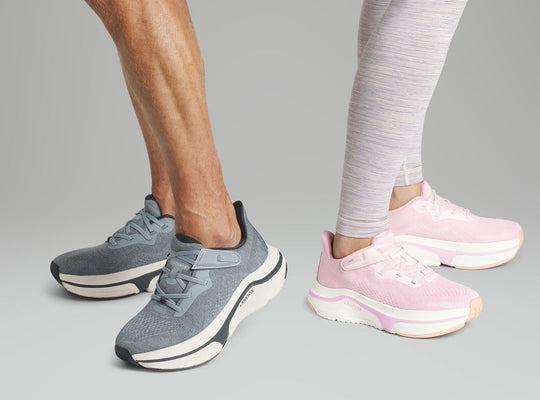
- Extra Depth and Wide Toe Box: Accommodates braces or orthotics without compressing the foot.
- Adjustable Closures: Laces, straps, or Velcro provide a secure fit for both foot and brace.
- Supportive Insoles and Arch Support: Maintain proper alignment and reduce strain on muscles and joints.
- Cushioned and Lightweight Soles: Absorb shock, reduce fatigue, and allow natural walking motion.
- Slip-Resistant Outsoles: Improve traction and reduce the risk of falls, particularly on smooth or uneven surfaces.
These features collectively enhance balance, improve gait efficiency, and reduce the discomfort often associated with foot drop.
While regular shoes can provide general comfort and style, they often fall short for those with foot drop:
- Insufficient Depth: Standard shoes may not fit over braces, causing pinching or pressure points.
- Limited Support: Many regular shoes lack proper arch support, contributing to instability.
- Lack of Adjustable Fit: Fixed sizing may not accommodate orthotics or AFOs, leading to improper alignment.
- Reduced Traction: Smooth soles increase the risk of slips and falls.
- Increased Fatigue: Without cushioning designed for an altered gait, walking can feel more tiring.
Relying on regular shoes may worsen balance issues and increase the likelihood of accidents.
The right foot drop shoes can transform mobility and comfort:
- Improved Safety: Slip-resistant soles and proper support reduce fall risk.
- Enhanced Gait: Supports correct foot positioning, reducing compensatory movements.
- Reduced Pain and Fatigue: Cushioned soles absorb impact and protect joints.
- Brace Compatibility: Works seamlessly with AFOs or other assistive devices.
- Confidence and Independence: Proper footwear allows for more comfortable, reliable walking.
For anyone managing foot drop, investing in dedicated shoes is a critical part of daily safety and mobility.
When selecting shoes for foot drop, consider:
- Fit With Braces: Try shoes on with your AFO or orthotic in place.
- Toe Box Width and Depth: Ensure there’s enough room to avoid pinching.
- Support and Cushioning: Look for shoes with firm arch support and shock-absorbing soles.
- Adjustable Fit: Straps or laces should secure the foot without pressure points.
- Traction and Stability: Slip-resistant soles reduce falls on both indoor and outdoor surfaces.
- Material and Weight: Lightweight, flexible materials reduce fatigue and allow natural walking.
Testing shoes before purchasing, ideally under the guidance of a physical therapist or podiatrist, ensures maximum benefit.
- Replace Shoes Regularly: Worn soles reduce support and traction.
- Combine with Physical Therapy: Exercises to strengthen the ankle and leg complement proper footwear.
- Monitor Fit Over Time: Feet may change size or shape, requiring new shoes periodically.
- Consider Orthotics: Custom insoles can enhance alignment and comfort when used with foot drop shoes.
By combining the right shoes with therapy and supportive devices, individuals can maintain better mobility and reduce the risk of falls.
Foot drop shoes are more than just specialized footwear; they are essential tools for safe, comfortable, and confident walking. Unlike regular shoes, they accommodate braces, improve balance, reduce fatigue, and protect joints. Investing in the right pair can significantly enhance daily mobility and independence for anyone managing foot drop.
Explore Cadense shoes at cadense.com to find footwear designed specifically for foot drop, offering comfort, support, and safer walking every day.



![[color: all black] Adaptive AFO Shoe](http://cadense.com/cdn/shop/files/AFO_ALL_BLACK_01.jpg?crop=center&height=300&v=1771260700&width=300)
![[color: white] AERIO Women's Sandal-Slide Hybrid](http://cadense.com/cdn/shop/files/AERIO_WHITE_T1.jpg?crop=center&height=300&v=1762451738&width=300)
![[color: black] AERIO Men's Sandal-Slide Hybrid](http://cadense.com/cdn/shop/files/AERIO_BLACK_T1_17bf8e85-e048-43b3-acba-51e96397c13b.jpg?crop=center&height=300&v=1762451737&width=300)
![[color: black] Original Men's Adaptive Shoe](http://cadense.com/cdn/shop/files/Carousel_1.1_8d540b1a-8d50-4d65-a154-073d92a92343.jpg?crop=center&height=300&v=1782831569&width=300)
![[color: white] Original Women's Adaptive Shoe](http://cadense.com/cdn/shop/files/Carousel_1.1.jpg?crop=center&height=300&v=1782793357&width=300)