Walking is something most people take for granted, but for individuals with foot drop, each step can be a challenge. Foot drop occurs when the muscles responsible for lifting the front of the foot weaken or stop working, often due to nerve injury, neurological disorders, or muscle conditions. Without proper support, the toes may drag on the ground, leading to trips, stumbles, and an altered gait that can cause fatigue and strain on other parts of the body.
One of the most effective ways to manage this condition is with an AFO for foot drop. An ankle-foot orthosis (AFO) is designed to support the foot and ankle, holding the foot in a functional position while walking. By doing so, it helps restore a more natural gait pattern, improves safety, and allows individuals to move with confidence.
Foot drop affects the ability to lift the front of the foot during the swing phase of walking. This can lead to several noticeable changes in gait, including:
- Toe dragging: The front of the foot may scrape the ground with each step.
- High-stepping gait: To avoid dragging, individuals may lift the knee higher than normal, which is called a steppage gait.
- Foot slap: The foot may drop quickly onto the ground, causing an audible “slap” with each step.
- Fatigue and strain: Compensatory movements can increase stress on the hips, knees, and lower back.
Without intervention, these changes not only reduce walking efficiency but also increase the risk of falls and limit independence.
An AFO for foot drop is a brace that typically extends from just below the knee down to the foot. Its main functions include:
- Holding the foot at a neutral angle: Keeps the toes lifted to prevent dragging.
- Providing ankle stability: Reduces wobbling and uneven steps.
- Encouraging proper heel-to-toe motion: Supports the natural sequence of walking.
- Reducing compensatory movements: Helps prevent high-stepping or other strain-inducing adjustments.
By maintaining the foot in the correct position, an AFO allows the muscles and joints to move in a way that closely mimics normal walking patterns.
Wearing an AFO provides several advantages for individuals with foot drop:
- Improved Safety – Keeping the toes elevated reduces the risk of trips, stumbles, and falls.
- More Natural Gait – Restores a smoother, more efficient walking pattern that reduces fatigue.
- Enhanced Confidence – Individuals feel more secure while walking, both indoors and outdoors.
- Support for Daily Activities – Makes it easier to perform everyday tasks, from walking around the house to shopping or light exercise.
Reduced Strain on Other Muscles – Prevents overcompensation in the hips, knees, and back, lowering the risk of secondary injuries.
Not all AFOs are the same. Selecting the right one depends on individual needs, activity level, and comfort requirements. Factors to consider include:
- Material: Lightweight materials improve comfort, while rigid braces provide maximum support.
- Flexibility: Some AFOs allow slight ankle movement for a more natural walking experience.
- Fit: Proper sizing prevents chafing and ensures stability.
- Compatibility with Shoes: The brace should fit easily inside supportive footwear designed for daily walking.
Consulting a healthcare professional, such as a physical therapist or orthotist, can help determine the best AFO for each situation.
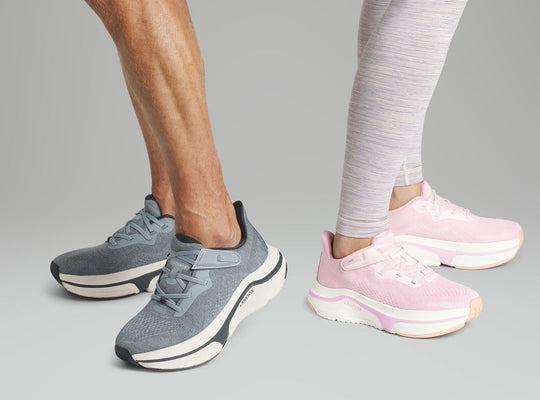
Footwear plays a crucial role when wearing an AFO. Shoes with a stable sole, adequate depth, and secure closures ensure that the brace functions as intended. Proper shoes help maintain balance, reduce foot fatigue, and maximize the benefits of the AFO, allowing for safer, more confident movement throughout the day.
While an AFO provides mechanical support, combining it with physical therapy can further improve walking. Exercises focused on ankle strength, balance, and gait training help individuals use the brace effectively and maintain mobility even when the AFO is not worn. Over time, therapy can enhance overall stability and reduce reliance on compensatory movements.
An AFO for foot drop is a vital tool for restoring a natural walking pattern. By keeping the foot in the proper position, providing stability, and reducing compensatory movements, it helps improve safety, comfort, and confidence in daily mobility.
Pairing the right AFO with supportive footwear and consistent physical therapy can make a meaningful difference for anyone living with foot drop.
Explore Cadense footwear at cadense.com to find shoes designed to work seamlessly with AFOs, helping you walk safely, comfortably, and with confidence every day.



![[color: all black] Adaptive AFO Shoe](http://cadense.com/cdn/shop/files/AFO_ALL_BLACK_01.jpg?crop=center&height=300&v=1771260700&width=300)
![[color: black] AERIO Men's Sandal-Slide Hybrid](http://cadense.com/cdn/shop/files/AERIO_BLACK_T1_17bf8e85-e048-43b3-acba-51e96397c13b.jpg?crop=center&height=300&v=1762451737&width=300)
![[color: pebble gray] AERIO Men's Sandal-Slide Hybrid](http://cadense.com/cdn/shop/files/AERIO-Grey-T1_7c266bea-a75f-471f-bbd6-40828952e100.jpg?crop=center&height=300&v=1745355102&width=300)
![[color: white] AERIO Women's Sandal-Slide Hybrid](http://cadense.com/cdn/shop/files/AERIO_WHITE_T1.jpg?crop=center&height=300&v=1762451738&width=300)
![[color: black] Original Men's Adaptive Shoe](http://cadense.com/cdn/shop/files/Carousel_1.1_8d540b1a-8d50-4d65-a154-073d92a92343.jpg?crop=center&height=300&v=1782831569&width=300)
![[color: slate] Original Men's Adaptive Shoe](http://cadense.com/cdn/shop/files/Carousel_1.1_043cbf10-de36-46d8-b61b-4e0cdd585dac.jpg?crop=center&height=300&v=1782831815&width=300)
![[color: white] Original Women's Adaptive Shoe](http://cadense.com/cdn/shop/files/Carousel_1.1.jpg?crop=center&height=300&v=1782793357&width=300)