If you use an AFO (ankle-foot orthosis), the fit can make all the difference between comfortable, confident walking and daily fatigue or discomfort. An AFO that is too loose or too tight can affect balance, posture, and your ability to prevent trips, slips, and falls.
Proper fit ensures your foot and ankle are supported without causing pressure points, rubbing, or restricted motion. It also helps your brace work alongside supportive footwear and any physical therapy routines.
A well-fitted AFO should feel secure but not restrictive. Look for:
- Snug but comfortable: The brace should hold your foot and ankle in place without causing pain.
- Even pressure distribution: No areas should feel pinched or overly tight.
- Stable alignment: Your heel should sit firmly in the back of the brace to maintain correct gait.
- Full range of safe motion: You should be able to flex and extend your ankle as recommended.
- No slippage: The AFO should stay in place while walking, climbing stairs, or navigating uneven surfaces.
Regularly checking these aspects helps maintain walking comfort and mobility independence.
A properly fitted AFO does more than hold your foot in position — it can reduce fatigue, improve walking mechanics, and enhance balance. Benefits include:
- Supporting consistent foot clearance to prevent trips, slips, and falls
- Reducing strain on muscles by promoting efficient movement
- Increasing confidence when walking on stairs, ramps, or uneven terrain
- Allowing for easier use with adaptive footwear designed for mobility challenges
When an AFO fits well, it works seamlessly with your daily routine instead of feeling like an extra obstacle.
Here are practical tips to make sure your AFO supports safe, comfortable walking:
- Work with a professional: A physical therapist or orthotist can measure and adjust your brace.
- Check fit regularly: Feet can change over time due to swelling, muscle gain, or loss of strength.
- Use proper socks: Thin, breathable socks reduce friction and help with comfort.
- Pair with the right shoes: Shoes with a wide toe box, flexible soles, and supportive fit enhance the AFO’s function.
- Adjust straps carefully: Tighten straps so the brace is secure but not constricting circulation.
These small adjustments can make a significant difference in daily comfort and safety.
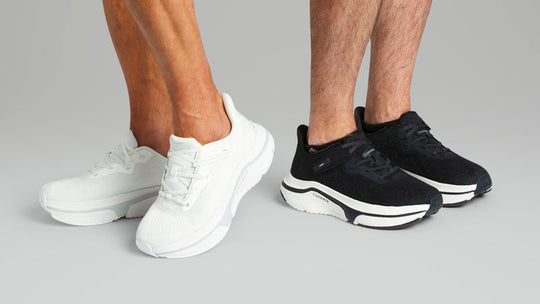
Footwear plays a crucial role in how an AFO feels and functions. Cadense adaptive shoes are designed to accommodate braces, offering:
- Wide toe boxes for comfort and room for the AFO
- Lightweight, flexible soles to support natural movement
- Supportive fit that works with or without a brace
- Easy on/off design for daily independence
The right shoes help reduce trips, slips, and falls while maximizing comfort during walking.
Ensuring your AFO fits properly is essential for comfortable walking, safe daily activity, and overall mobility confidence. Pairing the right brace with adaptive footwear and professional guidance supports independence and reduces the risk of accidents.
Explore Cadense adaptive shoes to complement your AFO and support safer walking at cadense.com




![[color: black] Original Men's Adaptive Shoe](http://cadense.com/cdn/shop/files/Carousel_1.1_8d540b1a-8d50-4d65-a154-073d92a92343.jpg?crop=center&height=300&v=1782831569&width=300)
![[color: white] Original Women's Adaptive Shoe](http://cadense.com/cdn/shop/files/Carousel_1.1.jpg?crop=center&height=300&v=1782793357&width=300)


