If walking feels unsteady, even familiar spaces can become challenging. Slips, trips, and falls are more common when balance, strength, or coordination is affected, especially for seniors and people managing mobility challenges.
Changes in muscle strength, nerve function, or reaction time can make it harder to adjust quickly while walking. This increases the likelihood of catching a toe, losing footing, or feeling unstable on uneven surfaces.
Balance challenges often cause subtle but important changes in walking patterns, such as:
- Shorter steps, which reduce forward momentum
- Foot dragging, making it easier to catch toes on rugs or thresholds
- Wider stance, used to feel more stable but often less efficient
- Slower reaction time, making it harder to recover from a misstep
These changes increase the risk of slips, trips, and falls during everyday activities like walking through the house or navigating sidewalks.
Several factors contribute to walking accidents, including:
- Neurological conditions such as neuropathy, Parkinson’s disease, stroke, or multiple sclerosis
- Muscle weakness in the ankles, legs, or feet
- Reduced sensation in the feet that limits feedback from the ground
- Poorly fitting footwear that lacks support or stability
- Environmental hazards like loose rugs, uneven flooring, or outdoor obstacles
Understanding these causes helps guide safer mobility strategies.
Beyond physical injury, repeated slips or near-falls can affect emotional well-being. Many people begin to:
- Limit daily activities
- Avoid walking longer distances
- Feel anxious about leaving home
- Lose confidence in their balance
Over time, reduced movement can lead to further muscle weakness, increasing fall risk even more. Addressing walking safety early helps protect both mobility and independence.
Physical therapy plays a key role in reducing the risk of slips, trips, and falls. A therapist may focus on:
- Strengthening ankle, leg, and core muscles
- Improving balance and coordination
- Addressing gait changes like foot drag or short steps
- Teaching strategies for navigating stairs and uneven surfaces
Therapy helps build a stronger foundation for safer daily movement.
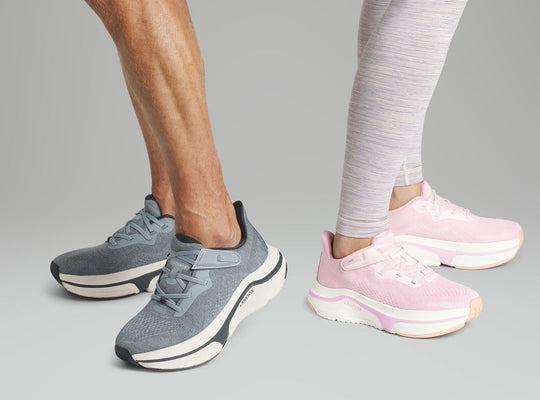
Footwear has a major impact on walking safety. Cadense adaptive shoes are designed to support people with balance issues by offering:
- A wide toe box that improves stability and reduces pressure
- Lightweight, flexible soles that encourage natural movement
- A supportive fit that helps reduce accidents, trips, slips, and falls
- Easy on/off design that supports daily independence
Supportive footwear works alongside therapy to create a safer walking experience.
- Keep walkways clear and well-lit
- Use supportive shoes consistently, even indoors
- Follow physical therapy exercises regularly
- Address new balance changes early with professional guidance
Small adjustments can significantly improve daily walking safety.
Slips, trips, and falls can have a serious impact on seniors and people with balance issues, but the right support makes a difference. With physical therapy, awareness, and adaptive footwear, it’s possible to improve stability and move with confidence.
Explore Cadense adaptive shoes designed to help reduce accidents, trips, slips, and falls at cadense.com.