If you’ve heard the term “AFO” in physical therapy or mobility discussions, you might wonder what it really means. AFO stands for Ankle-Foot Orthosis, a device designed to support the foot and ankle.
People often use AFOs when walking is difficult due to weakness, nerve issues, or conditions like foot drop. The goal is not just to hold the foot in place, but to enhance stability, prevent trips, slips, and falls, and make walking safer.
Knowing what an AFO does helps you make informed decisions about mobility support. Foot and ankle weakness can affect:
- Gait pattern and stride length
- Balance on uneven surfaces
- Risk of tripping or falling
- Fatigue during daily walking
Understanding the role of an AFO can help you work with your physical therapist to choose the right device and complement it with exercises and supportive footwear.
An AFO works by stabilizing the foot and ankle, especially during the part of the step when the foot lifts and moves forward. This reduces the chances of catching the toes and losing balance.
Key ways an AFO supports walking:
- Keeps the foot lifted: Prevents toe drag and trips
- Provides ankle stability: Reduces wobbling or twisting
- Supports proper gait mechanics: Encourages smoother heel-to-toe movement
- Reduces fatigue: Less effort is needed to clear the foot during each step
- Works with adaptive shoes: Fits inside shoes designed for mobility support
When paired with physical therapy, an AFO can be part of a broader strategy to improve walking safety and confidence.
AFOs are commonly recommended for people with:
- Foot drop due to nerve or muscle weakness
- Stroke or hemiplegia affecting one side of the body
- Multiple sclerosis or other neurological conditions
- Cerebral palsy or developmental mobility challenges
- Age-related ankle weakness or balance difficulties
Your physical therapist can evaluate your specific needs and determine whether an AFO is appropriate for daily use or temporary support during recovery.
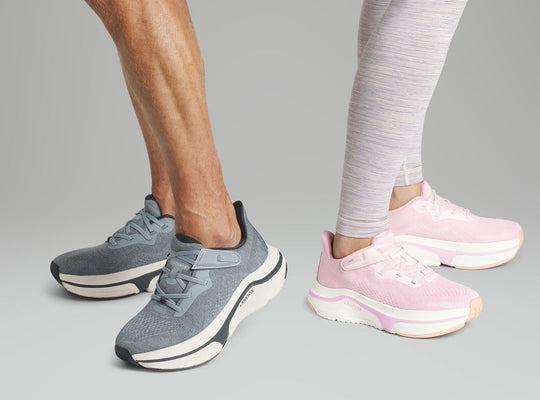
Supportive shoes make wearing an AFO more effective. Cadense adaptive shoes are designed to:
- Accommodate AFO devices comfortably
- Provide a wide, stable base for better balance
- Encourage natural movement with flexible soles
- Make putting on and taking off shoes easier
Combining an AFO with the right footwear supports safer walking while helping you maintain independence in daily activities.
While AFOs provide structural support, other practices can improve overall mobility:
- Physical therapy exercises: Strengthen ankle and lower leg muscles
- Gait training: Practice controlled stepping and balance
- Home safety adjustments: Clear pathways, use handrails, avoid loose rugs
- Consistent monitoring: Track changes in strength, stability, and comfort
These strategies, paired with an AFO, help reduce the risk of accidents and improve walking efficiency.



![[color: all black] Adaptive AFO Shoe](http://cadense.com/cdn/shop/files/AFO_ALL_BLACK_01.jpg?crop=center&height=300&v=1771260700&width=300)