
Cart
You're only $100.00 away from Free Shipping!
Your cart is empty
Looks like you haven’t added anything yet, browse new arrivals below!
Continue Shopping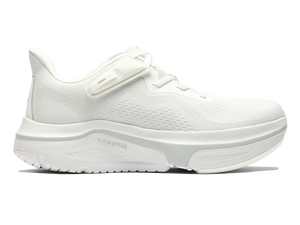
![[color: white] Original Women's Adaptive Shoe](http://cadense.com/cdn/shop/files/Carousel_1.1.jpg?crop=center&height=300&v=1782793357&width=300)
![[color: navy] Original Women's Adaptive Shoe](http://cadense.com/cdn/shop/files/Carousel_1.1_133c3c62-41e7-4326-a138-1a5bbc0dc0c7.jpg?crop=center&height=300&v=1785166685&width=300)
![[color: champagne] Original Women's Adaptive Shoe](http://cadense.com/cdn/shop/files/Carousel_1.1_3c2a9bb1-2f9d-44e9-8154-00d3360867a8.jpg?crop=center&height=300&v=1782794596&width=300)
![[color: black] Original Women's Adaptive Shoe](http://cadense.com/cdn/shop/files/Carousel_1.1_560de3f6-0d75-4d2a-abc1-ea6f94f5ced8.jpg?crop=center&height=300&v=1782793714&width=300)
![[color: all black] Original Women's Adaptive Shoe](http://cadense.com/cdn/shop/files/Carousel_1.1_90d1cdee-d62a-4134-ab79-54689cd7b148.jpg?crop=center&height=300&v=1782794838&width=300)
![[color: light blue] Original Women's Adaptive Shoe](http://cadense.com/cdn/shop/files/Carousel_1.1_07b2cc14-6d54-48dc-943e-96a36dffa910.jpg?crop=center&height=300&v=1782794050&width=300)
![[color: seaglass] Original Women's Adaptive Shoe](http://cadense.com/cdn/shop/files/Carousel_1.1_44408226-d99e-4a7c-ab68-eb48dd4571f3.jpg?crop=center&height=300&v=1782794995&width=300)
![[color: silver] Original Women's Adaptive Shoe](http://cadense.com/cdn/shop/files/Carousel_1.1_121013cc-aac9-4c6e-80cc-eb0d4a0eaa66.jpg?crop=center&height=300&v=1782795162&width=300)


![[color: slate] Original Men's Adaptive Shoe](http://cadense.com/cdn/shop/files/Carousel_1.1_043cbf10-de36-46d8-b61b-4e0cdd585dac.jpg?crop=center&height=300&v=1782831815&width=300)
![[color: black] Original Men's Adaptive Shoe](http://cadense.com/cdn/shop/files/Carousel_1.1_8d540b1a-8d50-4d65-a154-073d92a92343.jpg?crop=center&height=300&v=1782831569&width=300)
![[color: all black] Original Men's Adaptive Shoe](http://cadense.com/cdn/shop/files/Carousel_1.1_a905a580-b581-4322-957a-e0447793f3c7.jpg?crop=center&height=300&v=1782832273&width=300)
![[color: navy] Original Men's Adaptive Shoe](http://cadense.com/cdn/shop/files/Carousel_1.1_ddc55524-2fd3-497b-849a-4ce171dcb50b.jpg?crop=center&height=300&v=1782832500&width=300)
![[color: white] Original Men's Adaptive Shoe](http://cadense.com/cdn/shop/files/Carousel_1.1_5b909b7d-ed3d-4d10-99fe-8d57d594564e.jpg?crop=center&height=300&v=1782832071&width=300)
![[color: silver] Original Men's Adaptive Shoe](http://cadense.com/cdn/shop/files/Carousel_1.1_cc198631-ca4f-4c4a-9e1d-34c7facf224a.jpg?crop=center&height=300&v=1782832715&width=300)
![[color: white] AERIO Women's Sandal-Slide Hybrid](http://cadense.com/cdn/shop/files/AERIO_WHITE_T1.jpg?crop=center&height=300&v=1762451738&width=300)
![[color: sand] Havena Women's Adaptive Slipper](http://cadense.com/cdn/shop/files/HAVENA_SAND_T1.jpg?crop=center&height=300&v=1758745193&width=300)
![[color: chestnut] Havena Women's Adaptive Slipper](http://cadense.com/cdn/shop/files/HAVENA_CHESTNUT_T1.jpg?crop=center&height=300&v=1758919965&width=300)

![[color: black] AERIO Men's Sandal-Slide Hybrid](http://cadense.com/cdn/shop/files/AERIO_BLACK_T1_17bf8e85-e048-43b3-acba-51e96397c13b.jpg?crop=center&height=300&v=1762451737&width=300)
![[color: all black] Adaptive AFO Shoe](http://cadense.com/cdn/shop/files/AFO_ALL_BLACK_01.jpg?crop=center&height=300&v=1771260700&width=300)
![[color: black] Mary Jane](http://cadense.com/cdn/shop/files/MARYJANE_WOMENS_BLACK_01.jpg?crop=center&height=300&v=1788279943&width=300)
![[color: black] Derby](http://cadense.com/cdn/shop/files/DERBY_MENS_BLACK_01.jpg?crop=center&height=300&v=1788281044&width=300)
![[color: timber] Derby](http://cadense.com/cdn/shop/files/DERBY_MENS_TIMBER_01.jpg?crop=center&height=300&v=1788281090&width=300)
![[color: chestnut] Derby](http://cadense.com/cdn/shop/files/DERBY_MENS_BROWN_01.jpg?crop=center&height=300&v=1788281061&width=300)
![[color: cabin] Havena Men's Adaptive Slipper](http://cadense.com/cdn/shop/files/HAVENA_FLEECE_MENS_CABIN_01.jpg?crop=center&height=300&v=1788284437&width=300)
![[color: lodge] Havena Men's Adaptive Slipper](http://cadense.com/cdn/shop/files/HAVENA_FLEECE_MENS_LODGE_01.jpg?crop=center&height=300&v=1788284452&width=300)


