For adults relying on an ankle-foot orthosis (AFO), proper footwear isn’t just a convenience—it’s essential for mobility, safety, and long-term comfort. The wrong shoe can cause pressure points, reduce stability, or make walking more difficult. In contrast, the right pair of AFO-compatible shoes ensures proper alignment, improves gait, and allows patients to engage confidently in daily activities.
Virginia physical therapists recognize the critical role footwear plays in rehabilitation and long-term independence. Their expertise helps patients navigate the complexities of AFO selection, balancing medical requirements with comfort and usability.
Physical therapists in Virginia approach AFO shoe selection as part of a comprehensive mobility plan. Key steps include:
1. Evaluating Gait and Balance
- Observing the patient’s natural walking patterns reveals how the AFO interacts with shoes.
- Therapists note any instability, compensatory movements, or discomfort.
2. Measuring Foot Dimensions with the AFO On
- Proper fit requires considering the AFO’s added bulk.
- Therapists measure length, width, and depth to ensure shoes accommodate both the foot and the brace.
3. Identifying Functional Priorities
- Some patients prioritize balance, others prioritize lightweight materials to reduce fatigue.
- Recommendations differ based on individual goals and daily routines.
4. Testing Shoes in Real-World Conditions
- Therapists may have patients try shoes indoors, outdoors, and during short walks.
- This ensures comfort, stability, and proper AFO alignment.
By combining clinical expertise with patient-specific assessment, Virginia physical therapists can guide adults toward shoes that truly support mobility and independence.
Physical therapists look for specific design features that make shoes functional for AFO users:
- Spacious Toe Box: Allows room for the AFO and prevents pressure on toes.
- Wide Opening & Adjustable Closures: Zippers, hook-and-loop straps, or elastic laces make putting shoes on and taking them off easier.
- Supportive Heel Counter: Stabilizes the heel and prevents inward or outward rolling.
- Non-Compressible Sole: Maintains proper alignment and supports balance.
- Lightweight Materials: Reduces fatigue, especially important for patients with muscle weakness.
- Slip-Resistant Outsoles: Helps prevent trips, slips, and accidents, especially on smooth or wet surfaces.
It’s not enough to buy shoes that simply fit. Physical therapists integrate shoe selection into rehabilitation and long-term mobility planning. Their guidance can:
- Reduce Risk of Falls: Properly fitted shoes complement the AFO to provide stable, secure footing.
- Support Gait Training: Shoes influence stride, balance, and posture. Therapists can adjust shoe recommendations to reinforce therapy goals.
- Increase Daily Independence: When patients can safely and comfortably wear AFO-compatible shoes, they’re more likely to engage in daily activities without fear of discomfort or accidents.
Education is a major part of the role. Therapists teach patients to:
- Recognize when shoes are no longer providing proper support.
- Understand how footwear affects balance, posture, and gait.
- Break in new shoes gradually to avoid blisters or soreness.
- Coordinate shoe selection with home and work routines.
By educating patients, therapists empower them to make informed choices and maximize the
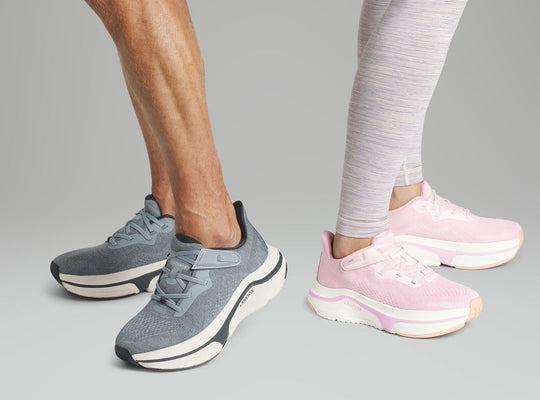
Brands like Cadense focus on AFO-compatible shoes designed for adults with mobility challenges. Cadense shoes integrate features recommended by physical therapists:
- Wide toe box for comfort and stability
- Lightweight, flexible soles for natural movement
- Patented Variable Friction Technology
- Easy on/off design for daily independence
- Supportive fit for weak ankles and balance issues
These features work hand-in-hand with physical therapy programs to promote safety, independence, and long-term mobility.
When searching for physical therapy near me in Virginia, consider the role footwear plays in patient outcomes. Virginia physical therapists don’t just prescribe exercises—they guide patients toward shoes that complement therapy, improve gait, and enhance confidence.
If you or someone you care for uses an AFO, finding the right shoes can make daily life safer and more comfortable. Explore Cadense for AFO-compatible shoes designed with mobility, stability, and independence in mind.
Find a Cadense Coach near Virginia →



![[color: black] Original Men's Adaptive Shoe](http://cadense.com/cdn/shop/files/Carousel_1.1_8d540b1a-8d50-4d65-a154-073d92a92343.jpg?crop=center&height=300&v=1782831569&width=300)
![[color: white] Original Women's Adaptive Shoe](http://cadense.com/cdn/shop/files/Carousel_1.1.jpg?crop=center&height=300&v=1782793357&width=300)