When most people search for physical therapy near me in Philadelphia, they’re usually focused on finding the best clinic, therapist, or recovery plan. But many overlook one of the most important pieces of the puzzle—what’s on their feet. Supportive shoes play a bigger role in rehabilitation than most realize. They can influence balance, posture, and even how efficiently a person moves through each phase of therapy.
According to Philadelphia physical therapists, footwear isn’t just about comfort—it’s a clinical tool. The right shoes can support proper gait mechanics, prevent unnecessary strain, and help patients stay active safely during recovery.
Whether you’re recovering from surgery, working on balance after a stroke, or managing mobility changes from conditions like Parkinson’s or multiple sclerosis, your shoes matter. Philadelphia physical therapists often remind patients that therapy doesn’t end when they leave the clinic. It continues in every step they take at home, on sidewalks, and up and down stairs.
Supportive shoes extend the benefits of physical therapy near me sessions by:
- Stabilizing gait: Proper arch support and firm heel counters keep alignment consistent.
- Reducing fatigue: Cushioning minimizes joint impact, allowing longer, more productive activity.
- Encouraging confidence: Non-slip soles and adaptive fits reduce the fear of slipping or tripping.
Without the right footwear, patients often struggle to maintain progress between visits, especially on uneven city terrain like Philadelphia’s brick sidewalks and stair-heavy row homes.
Philadelphia’s therapy clinics see patients across a range of conditions—from post-op recovery to neurological disorders. For these patients, one-size-fits-all footwear doesn’t work. That’s why therapists often start by evaluating a patient’s walking pattern, muscle strength, and joint flexibility before recommending shoe types.
Here’s what Philadelphia physical therapists look for in supportive footwear:
- Firm heel support for ankle stability.
- Wide toe box to reduce pressure on toes and improve balance.
- Flexible uppers that adapt to swelling or muscle tone variations.
- Low, stable heel-to-toe drop to maintain even weight distribution.
- Slip-resistant outsoles that help prevent accidents on smooth indoor floors or outdoor sidewalks.
These design details can make a big difference, particularly for seniors or those using assistive devices like canes or walkers.
Philadelphia’s mix of cobblestone paths, narrow streets, and steep steps creates daily mobility challenges. For someone in recovery, the right footwear can mean the difference between confidence and hesitation.
Supportive shoes designed with adaptive closures—like easy zippers or adjustable straps—help patients manage their independence without struggling to tie laces. Lightweight soles also help conserve energy, which is especially important for patients experiencing fatigue from conditions like multiple sclerosis or post-stroke weakness.
When searching for physical therapy near me in Philadelphia, patients should also consider how their footwear fits into their daily lives—commuting, errands, or simply walking around their neighborhood. The more supportive and easy-to-wear the shoes are, the smoother those transitions will be.
Even with consistent therapy, poor footwear choices can hinder progress. Philadelphia physical therapists often see these recurring issues:
- Worn-out soles that alter gait and strain muscles.
- Shoes that are too tight, restricting circulation and causing discomfort.
- Slip-on shoes without support, which can lead to instability.
- Shoes with thick, uneven cushioning, disrupting alignment.
Switching to clinically supportive footwear helps patients avoid these pitfalls. Many modern adaptive shoes now combine function and style, allowing patients to look and feel good while protecting their movement.
In clinical settings, supportive footwear has been shown to improve rehabilitation outcomes by:
- Enhancing proprioception, the body’s ability to sense balance and position.
- Encouraging proper stride length, reducing compensatory movement that leads to fatigue or pain.
- Improving weight distribution, especially in patients with weakness or stiffness on one side.
- Reducing fall risk by offering secure traction and stability.
Philadelphia’s physical therapists emphasize that shoes are part of a comprehensive recovery plan. Just as exercise and treatment are personalized, footwear should match each patient’s specific gait and lifestyle needs.
When patients ask their Philadelphia physical therapists for footwear advice, most recommend evaluating shoes based on three main criteria:
- Function – Does the shoe support your therapy goals? Look for features like firm heel support, rocker soles for smoother motion, and adaptive closures.
- Fit – Shoes should feel secure without pressure points. Avoid narrow designs that cause rubbing or limit movement.
- Comfort – Choose materials that offer cushioning without bulk. Breathable fabrics and flexible uppers are ideal for all-day wear.
Patients searching for physical therapy near me in Philadelphia should ask their clinic if they can assess their footwear during sessions. Many therapists are happy to provide personalized recommendations.
For anyone searching physical therapy near me in Philadelphia, supportive shoes aren’t just an accessory—they’re part of recovery. From improving balance and conserving energy to helping maintain alignment, the right pair of shoes enhances every step of therapy and daily movement.
If you’re in the Philadelphia area and want personalized help finding the right fit or understanding how supportive footwear can improve your mobility, Cadense has you covered.
You can visit or connect with a Cadense Coach near you — trained professionals who can help assess your walking needs, suggest the right shoes for neuropathy, and guide you toward better comfort and balance.
Find a Cadense Coach near Philadelphia →



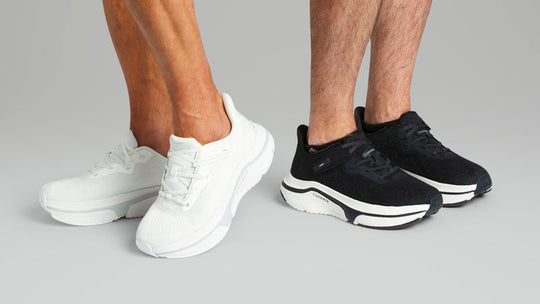
![[color: black] Original Men's Adaptive Shoe](http://cadense.com/cdn/shop/files/Carousel_1.1_8d540b1a-8d50-4d65-a154-073d92a92343.jpg?crop=center&height=300&v=1782831569&width=300)
![[color: white] Original Women's Adaptive Shoe](http://cadense.com/cdn/shop/files/Carousel_1.1.jpg?crop=center&height=300&v=1782793357&width=300)