Foot drop happens when the muscles that lift the front of the foot weaken or stop functioning properly. This is often caused by nerve damage, particularly to the peroneal nerve, which controls ankle and toe movement.
Early recognition of nerve-related foot drop is important because it can affect balance, gait, and mobility. Ignoring symptoms may increase the risk of trips, slips, and falls, making daily walking more challenging.
By understanding how nerve damage starts, you can take steps to protect mobility and maintain independence.
The peroneal nerve runs along the outer part of the knee and down the front of the lower leg. When it becomes compressed, injured, or irritated, signals from the brain to the foot may weaken. This can lead to:
- Difficulty lifting the front of the foot (toe drop)
- Dragging or catching toes on uneven surfaces
- Shorter or slower strides
- Unsteady walking and reduced balance
- Mild to moderate numbness or tingling in the foot
Other nerves in the lower leg can also contribute to foot drop if damaged, but the peroneal nerve is the most commonly affected.
Foot drop nerve issues can arise from several factors. Common causes include:
- Nerve compression: Sitting cross-legged for long periods, knee injuries, or tight braces can press on the peroneal nerve.
- Peripheral neuropathy: Conditions like diabetes can damage nerves over time.
- Muscle or tendon weakness: Muscles not used regularly may weaken, affecting how the nerve signals are processed.
- Neurological conditions: MS, stroke, or other neurological disorders can impact nerve function.
- Injury or surgery: Trauma to the knee, leg, or hip may stretch or damage nerves controlling the foot.
Understanding the cause can help a physical therapist or medical professional develop a targeted plan to preserve walking function.
Recognizing early symptoms can make a difference in preventing further mobility challenges. Watch for:
- Feeling like your toes “catch” on rugs or uneven surfaces
- Weakness in lifting the front of the foot
- Tingling or mild numbness in the foot or ankle
- Fatigue when walking short distances
- A tendency to take shorter, slower steps
Noticing these early signs allows for timely intervention, including physical therapy, exercises, and supportive footwear.
A physical therapist can help by:
- Assessing gait and identifying which muscles or nerves are affected
- Designing exercises to strengthen the ankle, foot, and supporting muscles
- Recommending braces or adaptive footwear to improve walking stability
- Teaching balance strategies to reduce the risk of trips, slips & falls
Therapists focus on both muscle strength and nerve function, which together support safer, more confident walking.
While therapy targets strength and movement, footwear plays a critical role in daily mobility. Shoes that support people with foot drop nerve issues help reduce strain and improve balance.
Cadense adaptive shoes offer features designed to support walking and stability:
- Wide toe box: Gives toes room to spread naturally, improving balance
- Lightweight, flexible soles: Allow the foot to move smoothly through each step
- Supportive fit: Keeps the foot stable while avoiding pressure on sensitive nerves
- Easy on/off design: Makes daily wear simpler, reducing fatigue
By combining proper footwear with therapy exercises, people with foot drop nerve issues can maintain mobility and help prevent accidents, trips, slips & falls.
- Stay active: Gentle exercises improve blood flow and muscle strength.
- Pay attention to symptoms: Early recognition of weakness, toe drag, or tingling allows for timely action.
- Use adaptive footwear: Shoes that support stability help prevent trips and provide comfort.
- Consult a physical therapist: Personalized guidance ensures exercises target the right muscles and nerves.
- Monitor daily activity: Avoid prolonged positions that may compress nerves, like crossing your legs for long periods.
Even small adjustments in daily routines can make walking safer and more comfortable.
If you’re noticing early signs of foot drop or managing nerve-related weakness, Cadense adaptive shoes provide stability, comfort, and support to help you move with confidence. Their design works hand-in-hand with therapy to help reduce trips, slips & falls while keeping your feet comfortable throughout the day.
Shop Cadense Shoes → cadense.com



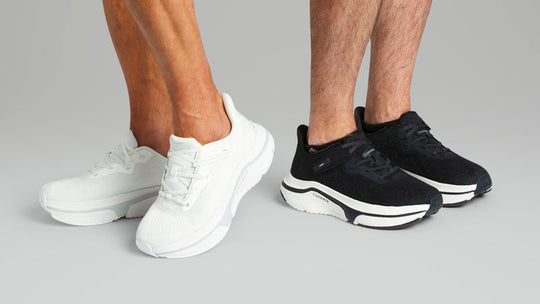
![[color: black] Original Men's Adaptive Shoe](http://cadense.com/cdn/shop/files/Carousel_1.1_8d540b1a-8d50-4d65-a154-073d92a92343.jpg?crop=center&height=300&v=1782831569&width=300)
![[color: white] Original Women's Adaptive Shoe](http://cadense.com/cdn/shop/files/Carousel_1.1.jpg?crop=center&height=300&v=1782793357&width=300)