Foot pain is a common concern for seniors. Age-related changes, arthritis, plantar fasciitis, or other foot conditions can make walking uncomfortable and increase the risk of trips and falls. The right footwear is more than just comfort; it’s a tool to improve stability, protect joints, and maintain independence.
Shoes for seniors with foot pain are specifically designed to support sensitive or aging feet. They combine cushioning, proper alignment, and slip-resistant soles to keep every step safe and comfortable.
Here’s a guide to choosing shoes that help seniors stay comfortable and stable while walking.
Foot pain often leads to subtle changes in walking. Seniors may:
- Shift weight to the unaffected side
- Shorten their stride
- Walk more slowly or shuffle their feet
These changes can affect balance and increase fall risk. Supportive footwear helps maintain proper alignment, absorbs pressure, and reduces strain on the feet, ankles, and knees.
When selecting shoes for seniors with foot pain, consider these features:
- Cushioned Insoles: Reduce impact on joints and relieve pressure on sensitive areas.
- Supportive Arch: Helps maintain proper foot alignment and reduces strain.
- Wide Toe Box: Allows toes to spread naturally, preventing pinching and discomfort.
- Adjustable Closures: Laces, straps, or Velcro provide a secure fit without tight spots.
- Slip-Resistant Soles: Improve traction and reduce the risk of slips or trips.
- Lightweight and Flexible Materials: Offer comfort without restricting natural foot movement.
Shoes with these features help seniors walk with confidence, reduce pain, and avoid fatigue.
- Walking Shoes: Designed for stability, cushioning, and long periods of use.
- Orthopedic Shoes: Provide extra depth, reinforced support, and accommodate orthotics.
- Adaptive Shoes: Made to work with braces or other assistive devices, improving safety and alignment.
- Slip-On or Easy-Fasten Shoes: Reduce effort when putting shoes on while still offering support.
Selecting the right type depends on your daily activities, the severity of foot pain, and any additional mobility needs.
Even the best-designed shoes won’t help if they don’t fit correctly. For seniors with foot pain:
- Always try shoes on with the socks or orthotics you normally wear.
- Ensure there’s enough room in the toe box for natural movement.
- Walk around indoors before buying to test comfort and stability.
- Avoid shoes that pinch, slide, or rub—these can worsen pain and lead to blisters.
A proper fit enhances stability, reduces foot strain, and prevents further injuries.
- Replace Worn Shoes Promptly: Worn soles or compressed cushioning reduce support.
- Use Orthotics if Needed: Custom or over-the-counter inserts can relieve pressure and improve alignment.
- Check Heel Height: Low, stable heels improve balance and reduce ankle strain.
- Consult a Professional: A podiatrist or physical therapist can provide guidance tailored to your foot condition and mobility needs.
Combining proper shoes with professional guidance ensures maximum comfort and safety.
Choosing shoes for seniors with foot pain is essential for comfort, stability, and independent mobility. Look for cushioning, supportive arches, wide toe boxes, and slip-resistant soles. Proper footwear reduces discomfort, protects joints, and helps seniors walk safely every day.
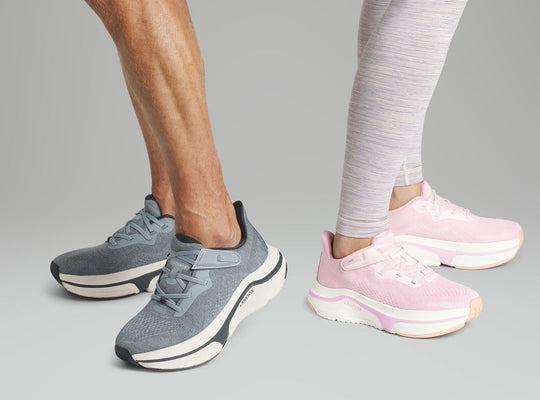
Explore Cadense adaptive footwear at cadense.com to find shoes that support sensitive feet, work with braces or orthotics, and keep seniors comfortable and steady on their feet.



![[color: all black] Adaptive AFO Shoe](http://cadense.com/cdn/shop/files/AFO_ALL_BLACK_01.jpg?crop=center&height=300&v=1771260700&width=300)
![[color: black] AERIO Men's Sandal-Slide Hybrid](http://cadense.com/cdn/shop/files/AERIO_BLACK_T1_17bf8e85-e048-43b3-acba-51e96397c13b.jpg?crop=center&height=300&v=1762451737&width=300)
![[color: black] Original Men's Adaptive Shoe](http://cadense.com/cdn/shop/files/Carousel_1.1_8d540b1a-8d50-4d65-a154-073d92a92343.jpg?crop=center&height=300&v=1782831569&width=300)
![[color: white] Original Women's Adaptive Shoe](http://cadense.com/cdn/shop/files/Carousel_1.1.jpg?crop=center&height=300&v=1782793357&width=300)