If you or someone you care for has drop foot, you know the daily balancing act between comfort, safety, and style. Many shoes that fit AFOs or support weakened muscles look bulky or “medical,” making it hard to feel confident wearing them out. But that’s changing. New adaptive shoe designs are proving that clinical function and personal expression can—and should—coexist.
In this post, we’ll explore how to find good shoes for drop foot that look great and perform even better.
Drop foot affects how the front of your foot lifts when walking. Without the right support, each step can feel heavy, uneven, or unstable. Shoes designed for this condition need to do more than just fit—they need to help you move safely and naturally.
Good shoes for drop foot can:
- Support your gait mechanics by working with AFOs or braces instead of against them.
- Reduce tripping risks with stable soles and adequate toe clearance.
- Enhance mobility so you can move more freely in daily life.
- Boost confidence by offering a look that feels modern and comfortable.
It’s not just about functionality—it’s about independence and how you feel moving through the world.
When shopping for adaptive shoes, you’ll want to pay attention to specific features that improve both function and comfort.
1. Wide and Adjustable Openings
Shoes with wide openings and easy-entry designs—like zippers that fully open the shoe top—make it simpler to put on and remove braces. Look for options that don’t require you to bend or struggle with tight laces.
2. Removable Insoles
This feature gives you space to fit custom orthotics or AFOs comfortably, without squeezing your foot.
3. Stable, Non-Slip Soles
A slightly firm, slip-resistant sole helps maintain balance, especially when your toes don’t lift easily. The best shoes for drop foot provide grip and control on different surfaces without feeling too stiff.
4. Lightweight Construction
Every ounce matters. Heavier shoes make lifting your foot harder, while lightweight materials reduce fatigue during daily movement.
5. AFO Compatibility
Not all shoes are brace-friendly. Choose designs specifically labeled as AFO-compatible or adaptive. These often have deeper heel cups and extra width to accommodate the brace without friction or pressure points.
6. Modern, Low-Profile Designs
Gone are the days of orthopedic-looking shoes. Many adaptive shoe brands, like Cadense, build footwear that looks as sleek as any premium sneaker—while offering the structure and stability drop foot requires.
For many people living with drop foot, “comfort” often comes at the cost of style. But when you feel good in your shoes, your posture, gait, and energy all improve. The psychological benefit is as real as the physical one.
Research shows that supportive, well-fitted footwear can help reduce muscle fatigue and joint strain, making walking less tiring. This is especially important for people who already expend more energy with each step.
When you find shoes that don’t just fit your needs—but also your personality—you move differently. You show up more. You feel more like yourself.
At Cadense, we believe supportive footwear should empower, not define, you. Our adaptive shoes are built to integrate seamlessly with AFOs, support natural gait, and still look modern and versatile enough for everyday wear.
Features like flexible outsoles, soft heel counters, and easy-entry side zippers make them accessible for those managing drop foot—without sacrificing aesthetic appeal. Each pair is developed with physical therapists, orthotists, and real users in mind to ensure the perfect balance of clinical support and style.
So whether you’re heading out for errands or meeting friends, you can count on shoes that work with your condition—not against your confidence.
Even with the right shoe design, fit matters most. Here are a few professional tips to make sure your shoes truly support your movement:
- Bring your AFOs or orthotics when trying on new shoes.
- Look for adjustable closures (like Velcro or elastic laces) that allow for small daily changes in swelling.
- Test the sole flexibility. It should bend slightly at the ball of your foot but stay supportive through the arch.
- Try both shoes on and walk. Feel for any pressure points or rubbing around your brace.
Remember—comfort isn’t just how a shoe feels when you stand still. It’s how it supports you after a full day of movement.
The best shoes for drop foot blend thoughtful engineering with everyday comfort and confidence. You deserve footwear that fits your medical needs and your lifestyle.
At Cadense, that’s our mission—to make adaptive shoes that feel natural, look great, and help you move through life on your terms.
Finding good shoes for drop foot doesn’t have to mean settling for orthopedic styles or clunky fits. Look for adaptive shoes that combine function, comfort, and a modern aesthetic—because how you move and how you feel are deeply connected.
If you’re ready to find shoes that support both, explore the latest Cadense collection at cadense.com.



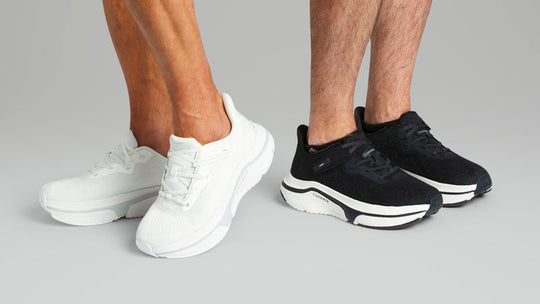
![[color: black] Original Men's Adaptive Shoe](http://cadense.com/cdn/shop/files/Carousel_1.1_8d540b1a-8d50-4d65-a154-073d92a92343.jpg?crop=center&height=300&v=1782831569&width=300)
![[color: white] Original Women's Adaptive Shoe](http://cadense.com/cdn/shop/files/Carousel_1.1.jpg?crop=center&height=300&v=1782793357&width=300)