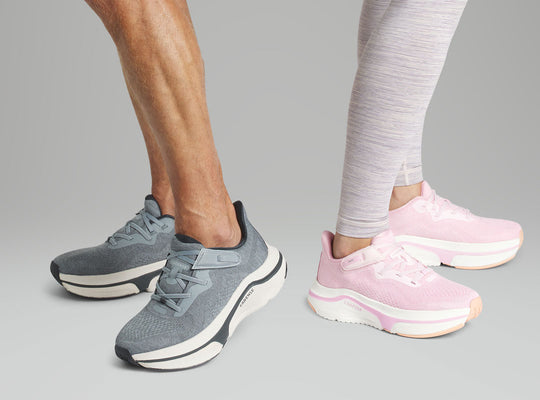
Foot drop is a symptom, not a disease itself, that makes it difficult to lift the front of the foot while walking, usually caused by nerve damage, muscle weakness, or an underlying neurological condition like stroke or MS. It changes the way a person walks, raises the risk of trips and falls, and often develops gradually enough that the early signs are easy to miss.
The right combination of diagnosis, physical therapy, bracing, and supportive footwear can make daily walking noticeably safer and less tiring, even when the underlying cause can't be fully reversed.
- What Foot Drop is: difficulty lifting the front of the foot during a step, usually affecting one side more than the other
- Common causes: peroneal nerve injury, neurological conditions, muscle weakness, spinal or brain injury, peripheral neuropathy, and occasionally temporary nerve compression
- What it changes: gait pattern, balance, stride length, energy expended while walking, and fall risk
- What helps: an accurate diagnosis of the underlying cause, physical therapy, AFO bracing where appropriate, and shoes built for foot clearance and stability
Foot drop is a symptom of an underlying issue that makes it hard to lift the front of the foot while walking. Instead of clearing the ground smoothly with each step, the toes catch, scrape, or drag, which can turn an ordinary walk across a room into a series of near-trips.
For most people, foot drop shows up gradually rather than all at once. It might start as a slightly heavier step on one side, or a tendency to catch a toe on the edge of a rug, long before it becomes obvious enough to mention to a doctor. That gradual onset is part of why understanding both the causes and the early warning signs matters so much.
Foot drop can develop from several different underlying issues, and figuring out which one applies to you is often the single most useful thing a healthcare provider can help with, because the cause shapes almost everything about treatment.
- Peroneal nerve injury: damage from compression, trauma, or surgery near the knee
- Neurological conditions: stroke, multiple sclerosis, Parkinson's disease, or cerebral palsy
- Muscle weakness: in the lower leg or ankle, from immobility, injury, or a muscular condition
- Spinal cord or brain injury: including herniated discs affecting nerve-muscle coordination
- Peripheral neuropathy: nerve damage from conditions like diabetes
- Compressed nerves in the lower back or leg: sometimes temporary, from prolonged sitting or immobilization
- Tendon or joint stiffness: limits ankle range of motion in a way that can look like nerve-related foot drop
Peroneal nerve injury is one of the more common causes overall, and even mild damage can make walking noticeably less stable. Neuropathy tends to develop slowly, so foot drop is often one of the later symptoms someone notices, well after numbness or tingling has already set in.
Because these causes are so different from one another, the right next step also looks different. Nerve-related foot drop often responds well to physical therapy and bracing while foot drop tied to a broader neurological condition typically gets managed as part of that condition's overall care plan.
Structural causes, like a herniated disc or significant joint stiffness, may need an entirely different approach, potentially including imaging, a referral to a specialist, or, in some cases, surgical evaluation.
A physical therapist or physician can use a combination of physical examination, gait assessment, and sometimes nerve or imaging studies to pinpoint which of these is actually driving your symptoms.
Foot drop often develops gradually, and the early signs are easy to mistake for general fatigue or normal aging, especially if you're already managing another health condition. Catching these signs early matters because it gives you more options.
Earlier physical therapy, earlier bracing if needed, and earlier adjustments to footwear can all happen before the condition has a chance to affect your balance more seriously or lead to a fall.
Early signs to watch for include:
- A feeling that your toes "catch" the ground while walking, even on flat surfaces
- A sensation of the foot slipping when walking, even though the foot itself hasn't actually moved, caused by the front of the foot dropping unexpectedly as it lands
- Difficulty fully lifting the front of the foot during a normal step
- A slapping sound when the foot meets the ground, caused by the front of the foot dropping instead of lowering under control
- Walking feels heavier, slower, or generally less coordinated than it used to
- Mild toe drag on carpets, rugs, or other uneven surfaces
- Unsteadiness when stepping over thresholds, curbs, or small changes in floor height
- Tiring more quickly than expected on stairs or during longer walks
None of these signs on their own confirms foot drop, and it's normal to notice one or two occasionally without there being an underlying problem. But when several of them show up together, or when they're becoming more frequent, it usually means the muscles responsible for lifting the foot are under real strain.
If these signs appear suddenly, worsen quickly, or come with numbness or tingling, it's worth talking to a healthcare provider or physical therapist rather than waiting to see if they pass on their own.
Foot drop changes the mechanics of walking in ways that ripple outward well beyond the foot itself, and the body typically compensates in ways that create new problems of their own. In practice, this often shows up as:
- Dragging or scraping toes, turning rugs and thresholds into trip hazards
- A "steppage gait," where the knee lifts higher to clear the toes
- A shorter, less fluid stride that takes more conscious effort
- Reduced balance, especially on uneven ground or in low light
The steppage gait works, in the sense that it does reduce tripping, but it also burns noticeably more energy with every step. This is why people with foot drop often describe feeling more tired after a short walk than they used to feel after a much longer one.
These compensating movements don't stay isolated to the foot and ankle either. Shifting extra effort into a higher knee lift and a shorter stride can place additional strain on the hips and lower back, which is why some people with long-standing foot drop eventually develop discomfort in areas that seem unrelated to the original issue.
Shoes that don't accommodate this altered gait can compound the problem further, adding pressure points and discomfort on top of the fatigue that's already there. Taken together, these effects explain why supportive footwear, physical therapy, and bracing are usually recommended as a combination rather than as alternatives to one another.
Each one addresses a different link in this chain. Therapy targets the underlying muscle weakness and gait pattern, bracing helps mechanically lift the foot during the swing phase of a step, and the right shoes reduce the friction, pressure, and instability that make every other part of the day harder.
Most foot drop management combines three approaches working together, since each one addresses a different part of the problem rather than being an interchangeable option:
- Physical therapy to strengthen the muscles that lift the foot and retrain gait
- Bracing (using an AFO) to mechanically hold the foot in a lifted position while walking
- Supportive footwear to reduce fatigue, friction, and instability day to day
Physical therapy is usually the starting point. A physical therapist will typically begin with a gait assessment to understand exactly how foot drop is affecting your walking pattern, then build a plan around ankle dorsiflexion and toe-raise exercises that strengthen the specific muscles responsible for lifting the foot.
Gait training and step drills are often layered in as well, giving you a chance to practice a more controlled walking pattern in a supervised setting before relying on it day to day. For some people, resistance-band work and simple ankle mobility exercises like ankle circles round out a home exercise routine between formal appointments.
For many people, an ankle-foot orthosis is added alongside physical therapy. The brace holds the foot in a lifted position throughout the walking cycle, which mechanically compensates for the muscle weakness that physical therapy is working to address.
AFOs can be used short-term during recovery from an injury or surgery, or as a longer-term solution for conditions where the underlying cause isn't expected to fully resolve, such as certain neurological conditions. Whether a brace is temporary or long-term, it typically needs to be fitted specifically to the individual, and the shoes worn with it need enough room and structure to accommodate it comfortably.
Between appointments, a handful of consistent habits tend to make the biggest practical difference:
- Practicing prescribed exercises daily, even if only for a few minutes at a time
- Wearing a brace consistently if one has been prescribed, rather than only during "harder" walks
- Keeping walking paths at home clear of rugs, cords, and other easy-to-miss tripping hazards
- Paying attention to any changes in strength, balance, or foot sensation, and mentioning them to your provider rather than waiting for the next scheduled visit
Footwear isn't a substitute for therapy or bracing, and no shoe can correct the underlying cause of foot drop on its own. What the right shoes can do is work alongside therapy and bracing to reduce fatigue, improve stability, and make the compensating movements described above less taxing over the course of a full day.
A few features matter more than others when foot drop is part of the picture. A wide toe box leaves enough room for the toes themselves, and for an AFO brace if one is being worn, without adding pressure or rubbing. Lightweight, flexible soles make the physical act of lifting the foot less effortful, which matters most later in the day when fatigue has already set in.
A secure, supportive fit keeps the foot steady inside the shoe and reduces the kind of wobble that can undermine an otherwise stable gait. An easy-on-and-off design matters more than it might seem, particularly for anyone with limited dexterity or anyone putting a shoe on over a brace every morning. Breathable materials round this out by keeping the foot comfortable during longer periods of wear, which becomes more relevant as walking itself becomes more effortful.
Cadense adaptive shoes are built around these same priorities, with a handful of features developed specifically with foot drop in mind:
- Patented Variable Friction Technology, which helps stabilize each step and supports more consistent foot placement on a range of surfaces
- A wide toe box that comfortably accommodates an AFO brace without creating pressure points
- Lightweight, flexible soles designed to support the natural motion of lifting the foot, rather than working against it
- An easy-on, easy-off construction that supports daily independence, especially for anyone managing a brace or reduced dexterity
Because foot drop can stem from so many different underlying causes, supportive footwear built for it tends to help a fairly wide range of people, including:
- People recovering from a stroke, for whom balance support during rehabilitation can meaningfully reduce fall risk, while strength and coordination improve
- Anyone managing a broader neurological condition, such as multiple sclerosis (MS), Parkinson's disease, or cerebral palsy, where foot drop is one symptom among several
- People with peripheral neuropathy affecting foot control, particularly when numbness makes it harder to sense foot placement in the first place
- Anyone wearing an AFO brace day to day, who needs footwear specifically roomy and structured enough to accommodate it comfortably
- Seniors managing general mobility challenges alongside foot drop, where fall prevention is often a primary concern
If you're noticing any of the early signs described above, the most useful next step is a conversation with a physical therapist or physician. They can help identify which of the underlying causes is actually driving your symptoms and recommend the right combination of therapy, bracing, and footwear based on that specific cause, rather than a generic approach.
In the meantime, choosing shoes built specifically for foot clearance and stability can make daily walking noticeably safer and less tiring while you work through diagnosis and treatment.
Explore Cadense Adaptive Shoes for Foot Drop